 Singing Coach AI
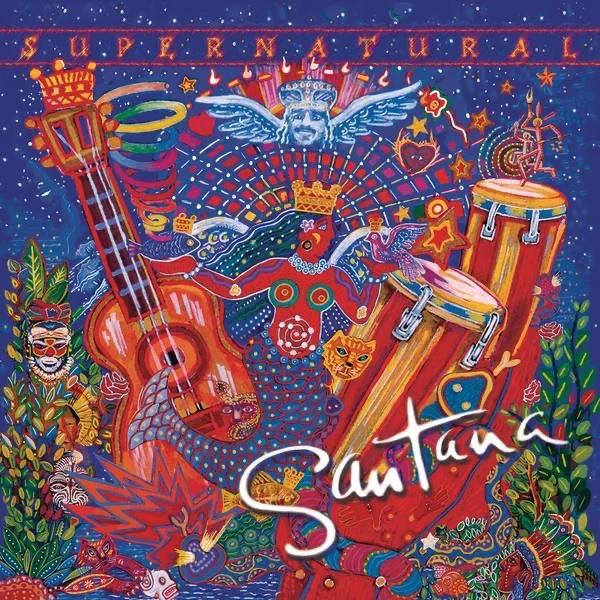
A Latin Rock Masterpiece
"Maria Maria" is a defining track from Santana's massive comeback album Supernatural. Produced by Wyclef Jean and Jerry "Wonder" Duplessis, and featuring The Product G&B on vocals, this song blends Latin rock guitar with smooth R&B vocals and hip-hop beats. It tells a story inspired by West Side Story, set to a laid-back, infectious groove.
Singing this song isn't about raw power or high belting; it's about "pocket" and "feel." You need to maintain a conversational yet melodic tone, navigating between English verses and Spanish ad-libs seamlessly.
Phase 1: The Verses (Storytelling)
The verses are sung in a range that is very accessible for Tenors and High Baritones. The key is rhythm. The lyrics are dense ("Now I recall that I loved her..."), so diction is important, but it shouldn't be choppy.
The Trap: Rushing the beat. The instrumental has a laid-back, "behind the beat" feel. If you sing too aggressively on top of the beat, you lose the R&B vibe. Lay back and let the lyrics roll off the tongue.
Phase 2: The Chorus (The Hook)
The chorus "Maria Maria..." is the heart of the song. It mirrors the melody of Carlos Santana's guitar. It sits comfortably in the middle of the chest voice range.
- Phrasing: Connect the notes. Do not detach "Maria" from "Maria." It should be one long, fluid line.
- Dynamics: Keep it at a steady mezzo-forte. This isn't a shouting chorus; it's a groovy, melodic hook.
Phase 3: The Ad-libs & Outro
This is where the song demands more range. As the song progresses, The Product G&B adds higher ad-libs, reaching up to C5. There are also Spanish interjections ("Mira," "Que pasa," "Aqui").
Even if you don't speak Spanish, correct vowel shaping is crucial. Spanish vowels are pure and open (Ah, Eh, Ee, Oh, Oo). Avoid diphthongs (gliding vowels) common in English to sound authentic.