 Singing Coach AI
The Perfect Wedding Ballad
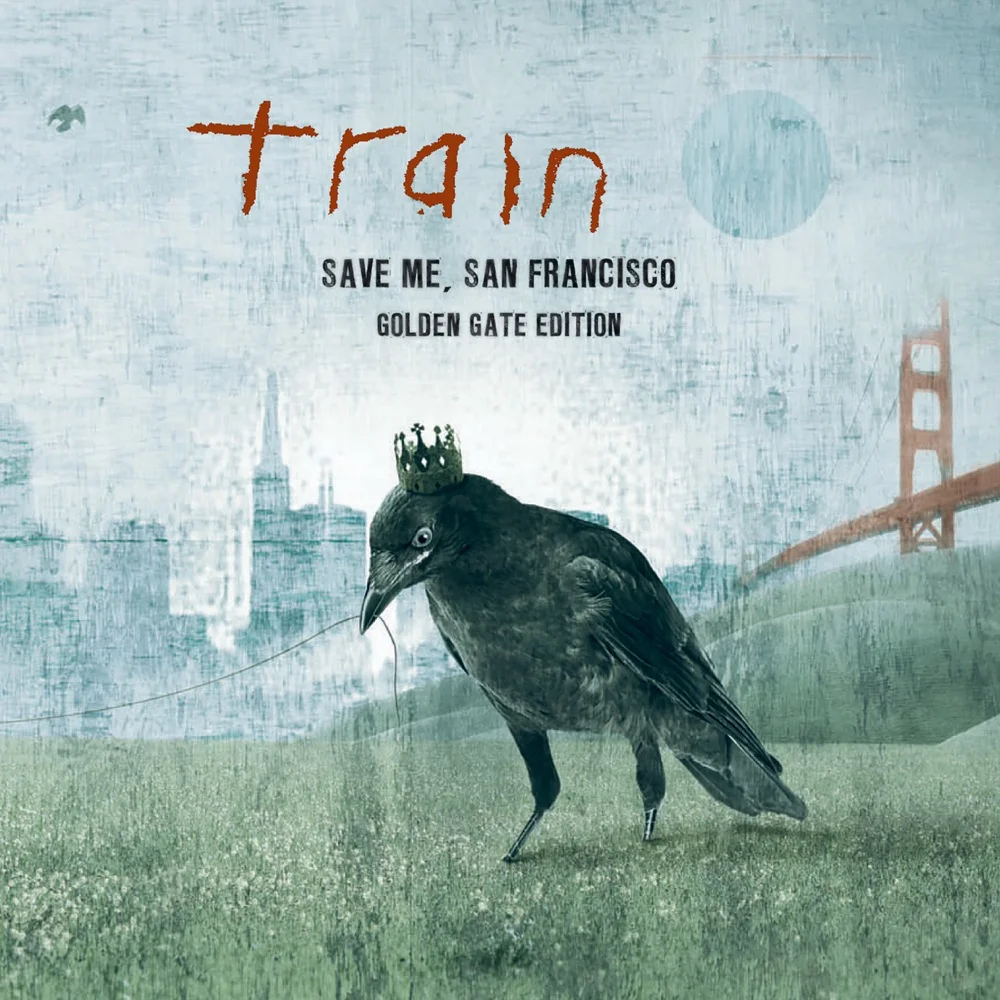
Released in 2009 on the album Save Me, San Francisco, "Marry Me" by Train became an instant classic for first dances everywhere. Unlike the band's rockier hits, this song relies entirely on acoustic intimacy. It demands vulnerability, not volume.
Pat Monahan delivers a masterclass in dynamic control here. To sing this well, you need to navigate the "break" in your voice smoothly. The song sits comfortably in the chest voice for verses but frequently dips into a delicate falsetto for the chorus. Let's break down the technique.
Phase 1: The Conversational Verse (0:00 - 0:45)
The song begins in B♭ Major with a simple guitar picking pattern. The opening line "Forever can never be long enough for me" starts on an F3. This is well within the comfort zone for most male voices.
The Trap: Because the notes are low and easy, singers tend to get lazy with diction. Keep the consonants crisp but the tone breathy and warm. Imagine you are whispering to someone in a quiet room.
Phase 2: The Falsetto Hook (0:45 - 1:15)
This is the signature moment. On the lyric "Marry me... today and every day," the melody jumps up. Monahan uses a pure, airy falsetto here rather than a powerful head voice.
- The Switch: You must flip from chest voice to falsetto instantly on the word "Marry". Practice this jump slowly to avoid a cracking sound.
- Volume: Do not push. If you sing this too loudly, it loses its romantic feel. Keep it light.
- Pitch: The AI Coach often detects flatness here. Ensure you are fully supporting the falsetto note so it doesn't sag in pitch.
Phase 3: The Bridge Build-Up (2:15 - 2:45)
The bridge ("You'll know...") introduces a slight increase in intensity. Here, you can allow a bit more of your chest resonance to creep in, creating a "mixed voice" texture. This contrast makes the return to the soft chorus even more effective.
The final "Promise me" requires emotional connection. It’s not about hitting the note perfectly; it’s about making the listener believe the promise.