 Singing Coach AI
The Vaudeville Showstopper
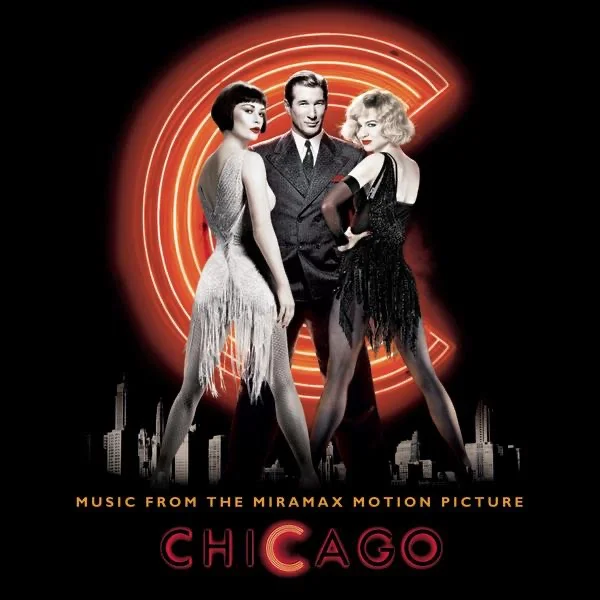
Performed by Renée Zellweger in the 2002 film adaptation of Chicago, "Me and My Baby" is a masterclass in character singing. Unlike a standard pop ballad, this song requires you to act the role of Roxie Hart—playful, delusional, and bursting with excitement. It sits squarely in the Musical Theatre genre, demanding a forward tonal placement and incredible stamina.
To sing this well, you need to balance the "baby voice" character affectation with solid breath support, ensuring you don't sound shrill or run out of air during the dance breaks. Let's break down how to capture the style.
Phase 1: The Character Setup (0:00 - 1:10)
The song starts with high energy. Zellweger uses a bright, almost nasal resonance to portray Roxie's naive optimism. This is not a classical sound; keep your soft palate lowered slightly to get that "brass" in your voice.
The Trap: Don't let the character voice compromise your pitch. It's easy to go sharp when smiling widely while singing. Monitor your intonation on the line "We're gonna be birds of a feather."
Phase 2: The Dance Break & Build (1:10 - 2:30)
In the movie, this section is heavy on dance, but vocally, it’s about maintaining intensity. As the instrumentation builds, you need to switch from a light mix to a stronger chest-dominant belt.
- Diction: Vaudeville style demands exaggerated consonants. Make your T's and B's pop.
- Breath: Snatch quick breaths between phrases. Do not wait until you are empty to inhale.
Phase 3: The Big Finish (2:30 - End)
The finale requires a strong belt up to C5. Unlike a rock scream, this should feel "happy" and lifted. Raise your eyebrows and engage your core to support the final sustained notes.
The final "Me and my baby" line slows down. Ensure you have saved enough breath to hold the last note with a consistent vibrato, fading out smoothly rather than cutting off abruptly.