 Singing Coach AI
A Masterclass in Character & Style
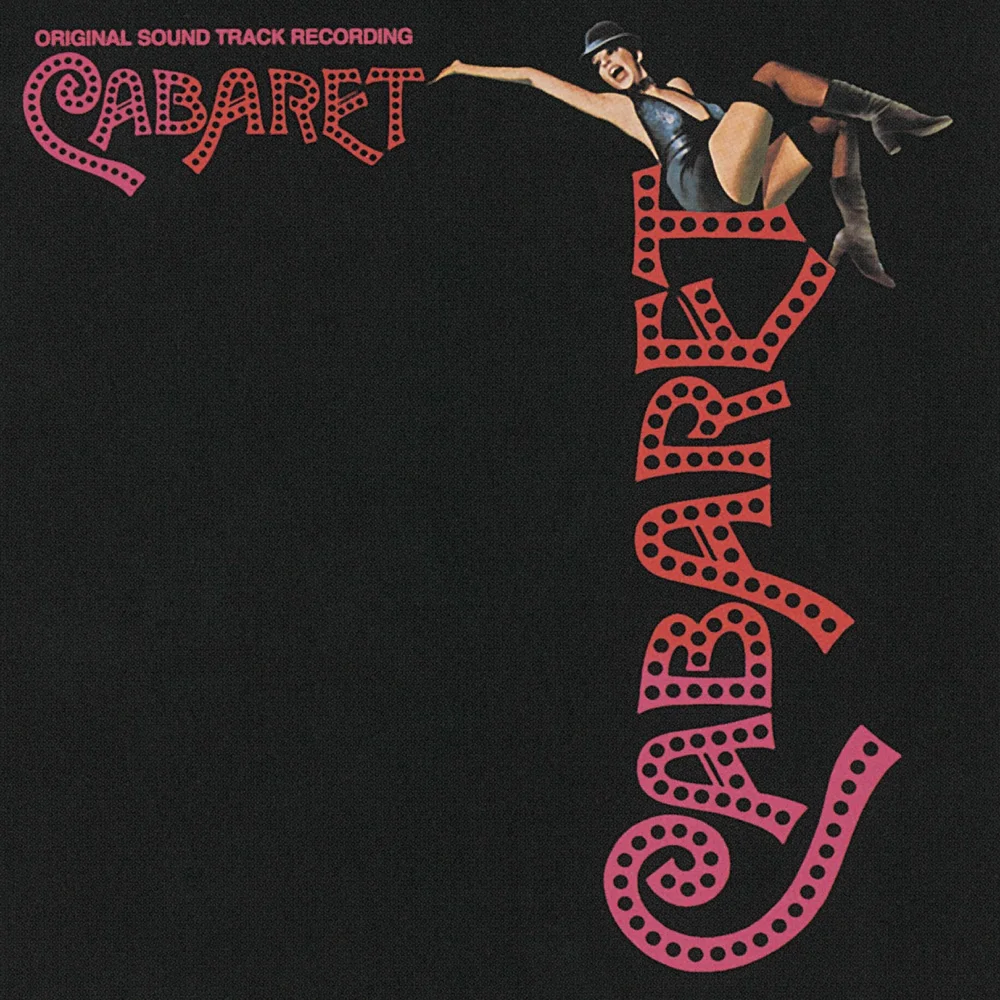
"Mein Herr" from the film adaptation of Cabaret is more than just a song; it is a high-energy dismissal. Liza Minnelli delivers this with a blend of nonchalance and aggressive rhythmic precision. It replaces "Don't Tell Mama" from the original stage production and serves to show Sally Bowles taking control of her life, saying goodbye to her lover.
To sing this successfully, you must channel the "Fosse" style vocally: sharp, isolated movements in your phrasing, dry wit, and explosive dynamic contrasts. It sits comfortably in the Alto/Mezzo range but requires significant stamina.
Phase 1: The Verses (The Speak-Sing)
The song starts with a vamping bassline. The verses should be delivered almost like spoken dialogue but on pitch. The tone should be dry and matter-of-fact.
The Trap: Don't sing this too "pretty." If you use too much vibrato or legato in the verses ("You smoke a tiger..."), you lose the cynical character of Sally Bowles. Keep it straight tone and clipped.
Phase 2: The Chorus (The Drive)
The energy shifts on "Don't dabble." Here you need to engage your diaphragm. The rhythm becomes driving and insistent. The phrase "Bye-bye, mein lieber Herr" requires a confident chest mix.
- Rhythmic Precision: You must be exactly on the beat. Dragging behind the beat ruins the "oom-pah" feel of the cabaret style.
- Farewell, Mein Lieber Herr: This ascending line needs to grow in volume. Visualize sending the sound to the back of a smoky club.
Phase 3: The Big Finish (C5 Belt)
The song culminates in a repetitive build-up of "Bye-bye" before the final sustained note. The final "Herr" is held on a C5. While not incredibly high for a soprano, for a belter or alto, this note must be powerful.
To sustain this, anchor your breath low. Do not lift your shoulders. As Liza does, you might find that adding a slight "cry" or "sob" into the tone helps navigate the break and adds emotional weight to the final goodbye.