 Singing Coach AI
The Ultimate Musical Theatre Ballad
"Memory" is the show-stopping 11 o'clock number from Andrew Lloyd Webber's Cats. Sung by Grizabella, it is a desperate plea for acceptance and a recollection of her glamorous past. For a vocalist, this song is the ultimate test of storytelling and dynamic range.
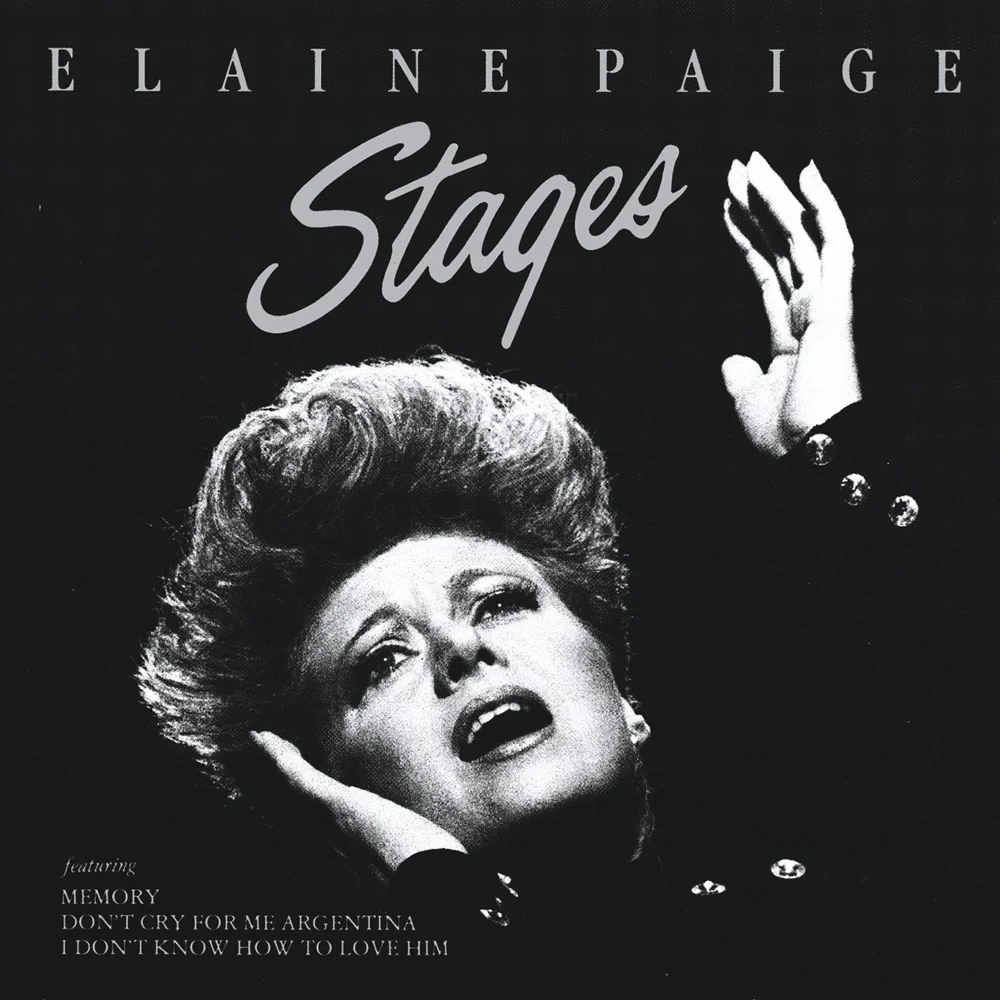
Elaine Paige's definitive version sets the standard. You must navigate from a fragile, almost spoken chest voice in the lower register to a powerhouse belt that shakes the rafters. Let's break down exactly how to tackle it, section by section.
Phase 1: The Fragile Opening (0:00 - 1:45)
The song begins in Bb major (often appearing as C major in some scores, but we analyze the standard performance key). The opening lines sit low in the chest voice, around G3 and A3. The challenge here is not power, but control.
The Trap: Don't push too much air. Keep the sound breathy and forward. You are playing the role of an old, tired cat. If you sing this too cleanly or operatically, you lose the character.
Phase 2: The Build (1:45 - 3:00)
As the song progresses into the bridge ("Burnt out ends of smoky days"), you need to firm up your vocal cord closure. Remove the breathiness. The melody begins to ascend, and you should start mixing in more head resonance while keeping the chest connection grounded.
- Consonants: Over-enunciate T's and D's to mimic the theatrical style.
- Legato: Connect the vowels smoothly. Do not chop the phrasing.
Phase 3: The Climax (3:00 - End)
The music modulates (usually to Db Major), signaling the emotional peak. The line "Touch me!" explodes into a high belt. The melody climbs to a sustained Db5 and eventually peaks at an Eb5.
To hit the "Touch me" belt safely, drop your jaw and retract your tongue slightly to create space. Engage your core (the epigastrium) significantly. If you squeeze from the throat, you will strain. Visualize sending the sound across a massive theatre.