 Singing Coach AI
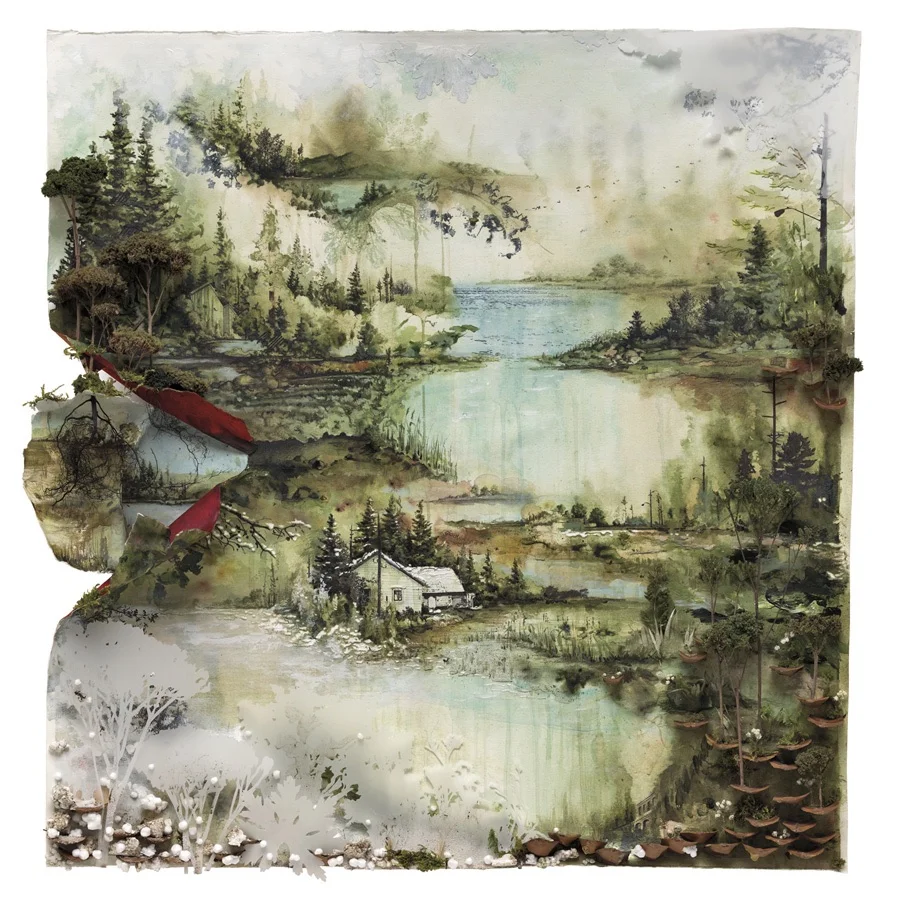
The Art of the Whispered Falsetto
Michicant, from Bon Iver's self-titled 2011 album, is a masterclass in texture and atmosphere. Unlike power ballads that rely on chest belting, this song lives almost entirely in the upper register. Justin Vernon's vocal performance is fragile, disjointed, and deeply emotive, evoking the feeling of a half-remembered dream.
To sing this well, you must prioritize tone color over raw volume. The difficulty lies in maintaining pitch accuracy while intentionally slurring diction and keeping the voice "breathy" (aspirated) without running out of air. Let's break down the technique.
Phase 1: The Verses (Soft Onset)
The song opens with imagery of childhood and bicycles. The vocal entry should be delicate. Avoid hard "glottal attacks" (where the air bursts through the cords). Instead, use a soft onset, imagining an "h" sound before vowels to smooth out the start of phrases like "I was unafraid, I was a boy."
The Trap: It is easy to go flat when singing quietly. Ensure you are lifting your soft palate (the feeling of a yawn) to keep the pitch sharp and resonant, even at low volumes.
Phase 2: The Highs & "Love can hardly leave the room"
As the song progresses, the melody climbs higher into the E5 range. This requires a pure head voice or reinforced falsetto. Unlike the rock belt, this sound should resonate in the "mask" (the front of your face/nose area).
- Legato Phrasing: Connect every word. The lyrics in Michicant often bleed into one another. Don't over-enunciate consonants.
- Vowel Modification: To hit the high notes comfortably, modify closed vowels (like "ee") toward more open shapes (like "ih" or "eh") to release tension in the jaw.
Phase 3: The Emotional "Wobble"
Part of the charm of Michicant is its imperfection. Vernon's voice occasionally cracks or wobbles, adding to the vulnerability. When recording in the app, focus on the emotion. A perfectly sterile performance will score lower on "style" than one that captures the shaky, intimate nature of the original track.