 Singing Coach AI
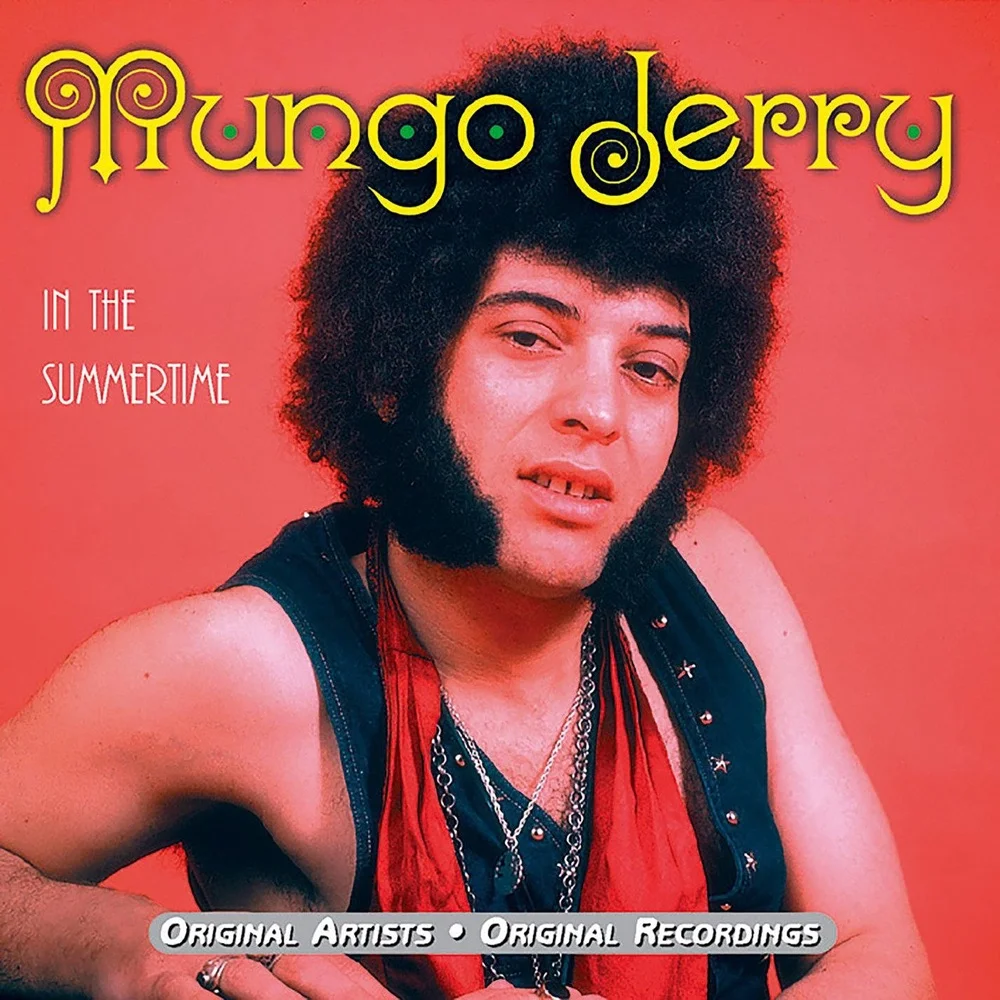
The King of Skiffle Stomp
"Mighty Man" is a testament to Mungo Jerry's unique blend of blues, rock, and skiffle. Unlike the polished production of modern pop, this song relies on raw energy, a driving stomp beat, and Ray Dorset's distinctive, raspy vocal delivery. Released in 1970, it demands not just pitch accuracy, but serious rhythmic precision.
To sing this well, you need to channel your inner bluesman. It's about attitude. The song doesn't cover a massive octave range, but it requires you to maintain a consistent, gritty chest voice without fatiguing your vocal cords over nearly five minutes of high-energy tempo.
Phase 1: The Verses (Storytelling)
The verses are sung in a lower-mid Baritone range. The key here is articulation. You are telling a story about traveling and wooing women, so the diction must be clear despite the rough tone.
The Trap: Because the acoustic guitar strums are constant, singers often rush ahead of the beat. Sit back in the pocket of the rhythm. Listen to the stomp and let the vocals land squarely on the downbeat.
Phase 2: The Chorus (The Hook)
The repetition of "I'm a mighty, mighty man, I'm a mighty man" is the centerpiece. This needs to be louder than the verses. You need to open your mouth wider (vertical shape) to get that resonant, shouting-style quality without straining.
- Volume: Use diaphragm support to push the volume, do not squeeze from the throat.
- Placement: Keep the sound "forward" in the mask of your face to cut through the harmonica and guitar.
Phase 3: The Growl & Ad-Libs
Ray Dorset often uses vocal fry and growls at the ends of phrases. To do this safely, engage your false vocal cords gently. If you feel a tickle or coughing sensation, you are pushing too hard.
You will also hear occasional falsetto whoops and yells in the background. These should be loose and uninhibited—don't try to make them sound "pretty." They are there to add excitement and chaos to the jug band vibe.