 Singing Coach AI
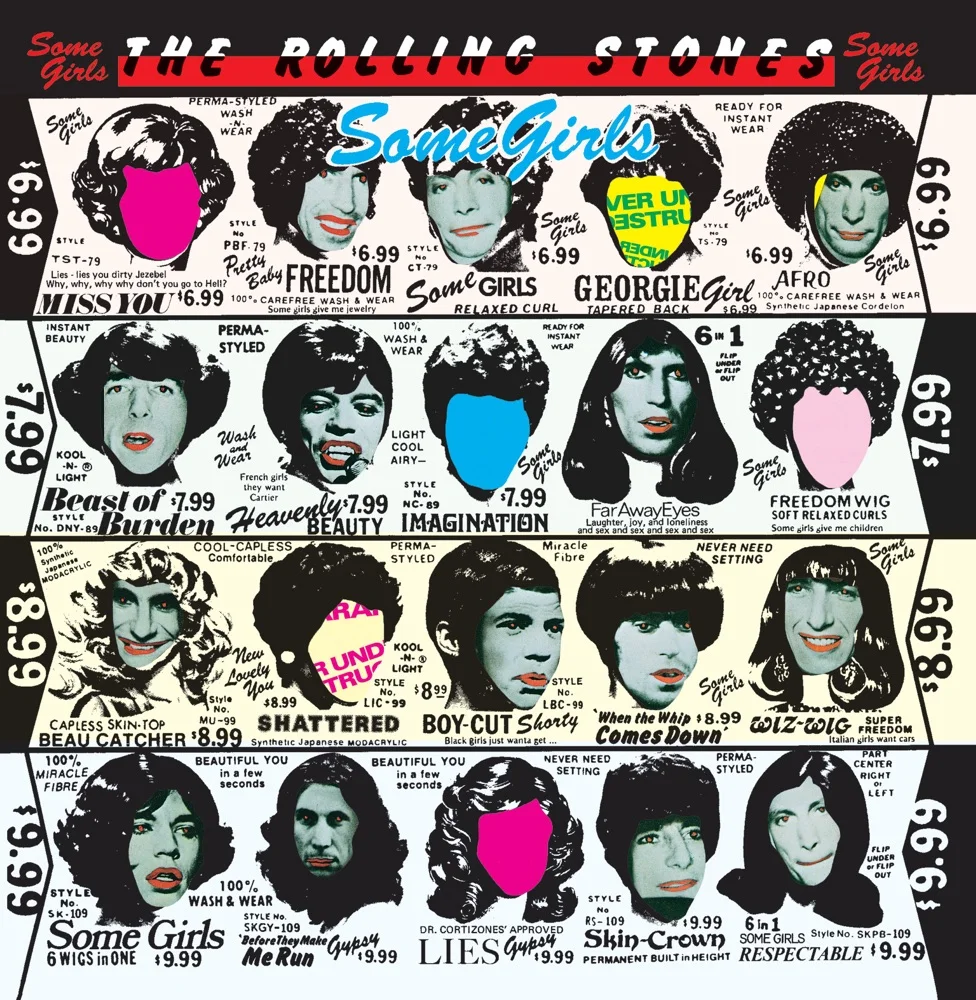
The Stones Go Disco
"Miss You" was The Rolling Stones' answer to the disco craze of the late 70s. While the beat is four-on-the-floor, the vocals are pure Mick Jagger blues. The song requires you to alternate between a very relaxed, almost mumbled chest voice and a piercing, precise falsetto hook.
To sing this well, you need to let go of perfectionism in the verses and focus entirely on the "groove." The timing is loose, often sitting just behind the beat to create that laid-back New York vibe.
Phase 1: The Falsetto Hook
The song is famous for its "Ooh-ooh-ooh-ooh-ooh-ooh-ooh" refrain. This melody sits in the falsetto range for male voices (reaching up to E5).
- Placement: Keep the sound buzzing in your forehead or "mask." Do not push from the throat.
- Volume: It shouldn't be too loud. It needs to float above the bassline.
- Breath: Ensure you have enough air to sustain the phrase without clipping the end.
Phase 2: The Verses (Attitude)
The verses ("I've been holding out so long / I've been sleeping all alone") are sung in a comfortable chest register (A3-E4). The challenge here isn't range; it's character.
Jagger uses a "talk-singing" technique (Sprechgesang). You should sound like you are telling a story to someone in a noisy club. The AI Coach will penalize you if you sing these notes too "classically" or stiffly.
Phase 3: The Bridge Breakdown
Around the 2:40 mark, the song breaks down ("I guess I'm lying to myself..."). This section builds intensity. You need to start soft and add grit (vocal fry) as the band builds back up. This is where you can add some improvisation and blues scales.