 Singing Coach AI
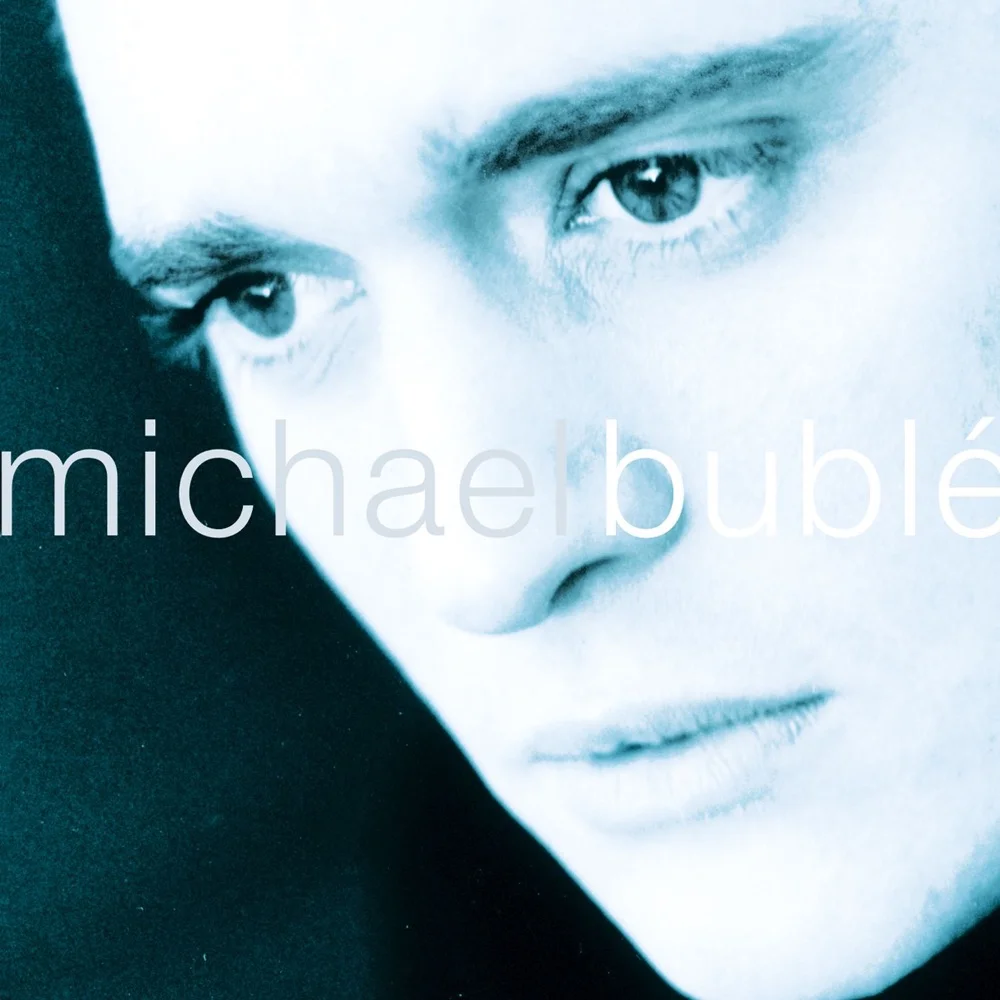
The Ultimate Swing Standard
Michael Bublé's cover of "Moondance" (originally by Van Morrison) is a masterclass in modern Big Band vocals. Unlike rock or pop, this track lives and dies by its "swing feel." It isn't just about hitting the right notes; it's about *how* you hit them relative to the beat.
The song sits perfectly in a Baritone's sweet spot (G2 - G4), allowing for a warm, resonant tone without excessive straining. However, the challenge lies in maintaining that smooth legato sound while navigating the syncopated rhythms of the jazz band backing.
Phase 1: The Verses (Low & Resonant)
The opening lines, "Well, it's a marvelous night for a moondance," sit in the lower register (around Bb2). The goal here is warmth. Avoid vocal fry; instead, keep your larynx slightly lowered and chest resonance active.
The Trap: Dropping volume too much on the low notes makes them disappear in the mix. Maintain consistent breath support even when singing quietly.
Phase 2: The Chorus (Smooth Legato)
As you transition to "Can I just have one more moondance with you," the melody lifts. This section requires legato phrasing—connecting the words smoothly without choppy breaks. Bublé often slides slightly into notes here (portamento) to add style.
The interval jumps are not massive, but they must be precise. The AI Coach tracks the accuracy of your pitch sliding vs. clean note hits.
Phase 3: The Climax (The G4 Belt)
Towards the end of the song and during the ad-libs, Bublé pushes up to a G4. This is a belted note, but in Jazz, it shouldn't sound shouted. It needs a "narrow" vowel shape to keep it ringing and focused.
Use your diaphragm to support the air pressure, ensuring the tone remains round and full, rather than thin and strained.