 Singing Coach AI
The Ultimate Test of Vocal Seduction
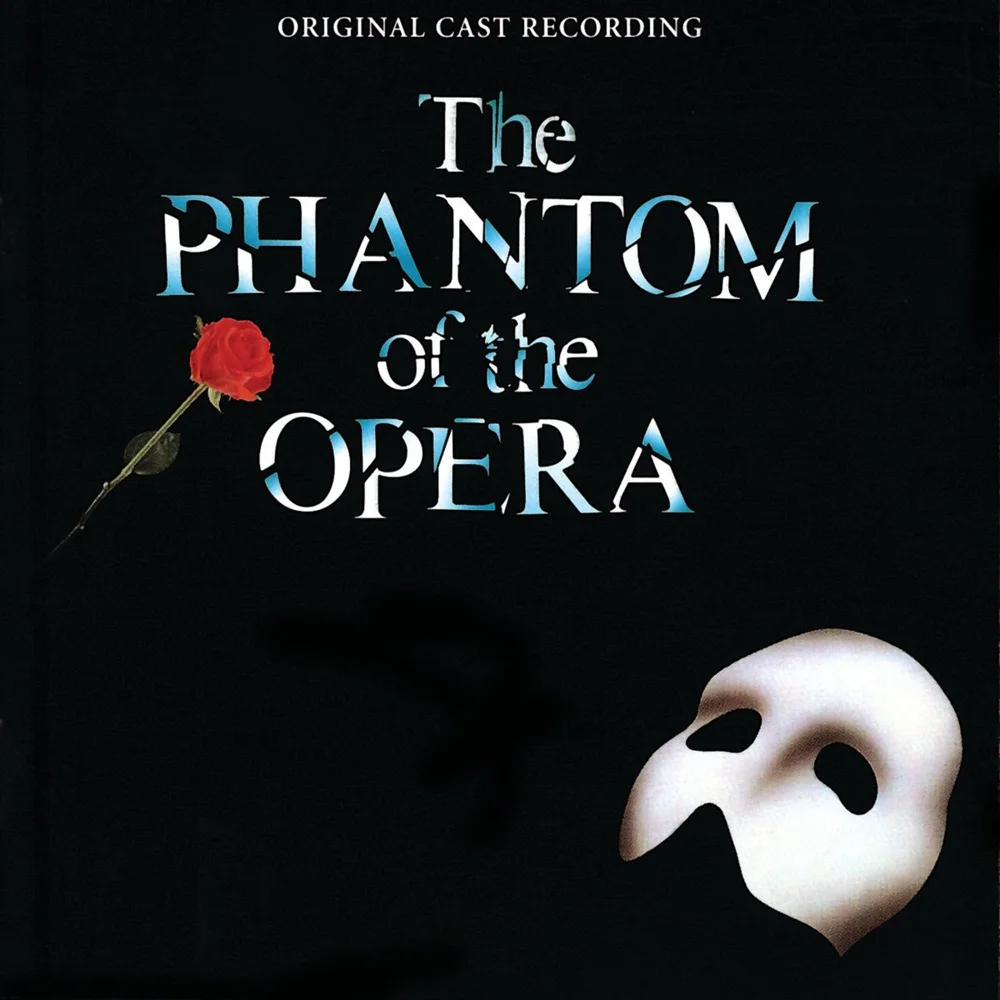
"The Music of the Night" is the centerpiece of Andrew Lloyd Webber’s The Phantom of the Opera. Sung by the titular character to Christine Daaé, it is a masterclass in dynamic control. Michael Crawford’s original performance is revered not just for the high notes, but for the haunting, hypnotic quality of the quiet passages.
To sing this correctly, you must balance the "Phantom's" duality: the gentle seducer and the commanding genius. The song sits comfortably for high baritones and dramatic tenors, utilizing a rich lower register (Ab2) and a powerful upper belt (Ab4).
Phase 1: The Hypnotic Whisper (0:00 - 1:50)
The song begins in Db Major. The opening lines ("Nighttime sharpens, heightens each sensation") must be sung with a mix of breath and tone. This is not a whisper, but a fully supported mezzo-piano.
The Trap: Many singers go too breathy, losing pitch accuracy on the low notes. Keep the chest resonance active even when singing softly to maintain the "dark" quality of the Phantom's voice.
Phase 2: The Build Up (1:50 - 3:15)
As the lyrics move to "Silently the senses abandon their defenses," the melody dips to its lowest point (Ab2). If you are a Tenor, ensure you don't "fry" this note. Keep the larynx neutral. As you ascend back up, increase the volume gradually.
The line "Purge your thoughts of the life you knew before" requires a shift in intensity. You are commanding her now, not just asking.
Phase 3: The Climax (3:15 - 4:10)
This is the moment everyone waits for: "Let your spirit start to SOAR!" The word "soar" hits a sustained Ab4. This requires a confident belt with plenty of back-space in the throat (lifted soft palate).
Avoid pinching the sound forward into the nose. It should sound round, noble, and operatic. Use the consonant "S" to launch the vowel, then open immediately to a tall "Ah" or "Oh" shape.
Phase 4: The Falsetto Finish
The song concludes with "You alone can make my song take flight." The final word "night" is often sung low in the score, but many performers opt for a high falsetto/head voice finish. Whichever you choose, it must fade to silence with absolute control.