 Singing Coach AI
Soulful Precision and Falsetto Control
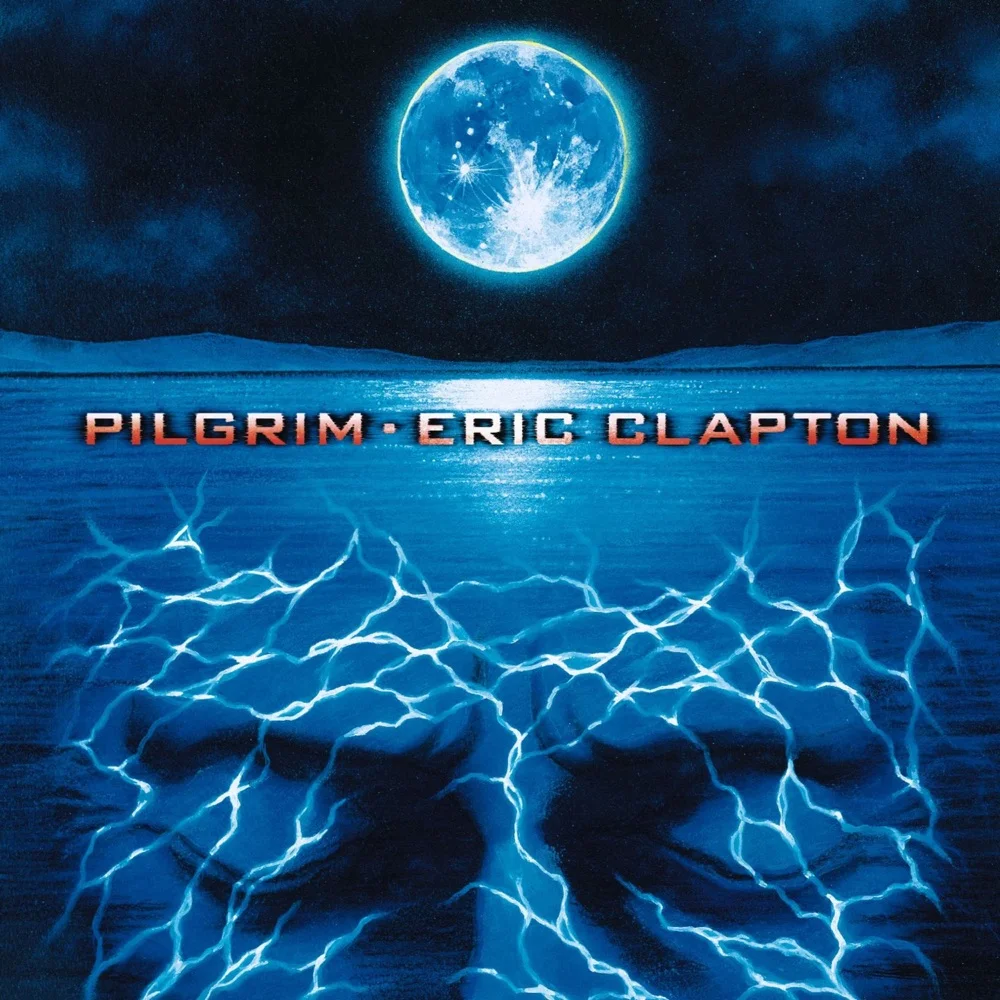
"My Father's Eyes" is one of Eric Clapton's most personal songs, inspired by the fact that he never met his father and the tragic loss of his son. Released on the 1998 album Pilgrim, it blends smooth pop production with bluesy sensibilities.
While it doesn't have the aggressive power of hard rock, it demands incredible nuance. You need to balance a rhythmic, conversational chest voice in the verses with a delicate, airy falsetto in the chorus. Emotional authenticity is key here; if you sound too mechanical, you lose the song's heart.
Phase 1: The Verses (Relaxed Chest)
The song is in B Major (studio version). The verses sit in a very comfortable mid-range for Baritones and Tenors (approx E3-F#4). The goal here is storytelling.
The Trap: Don't sing the verses too "straight." Clapton uses subtle syncopation and slides into notes from below. If you hit every note dead-center without that bluesy slide, it will sound like a nursery rhyme. Relax your jaw and let the words flow naturally.
Phase 2: The Falsetto Hook
The signature moment is the chorus line: "Look into my father's eyes." This requires a flip into head voice (falsetto). The notes aren't incredibly high in absolute terms, but the texture change is vital.
- The Flip: Practice the transition from chest to head voice so there is no audible "clunk" or break.
- Volume: Do not push volume on the high notes. Pull back slightly. It should sound like a sigh or a realization, not a shout.
- Vowel Shape: Modify the "Eyes" vowel towards "Ah-ees" to keep the throat open and resonant.
Phase 3: Breath Control & Bridge
As the song progresses, the phrasing becomes longer. You need steady airflow to sustain the ends of phrases without wavering in pitch. In the instrumental sections where ad-libs occur, keep them simple and blues-based.
Eric often uses a "cry" in his voice during the bridge. You can achieve this by slightly tilting the thyroid cartilage (a technique often used in 'sob' quality singing) to add emotional weight without adding strain.