 Singing Coach AI
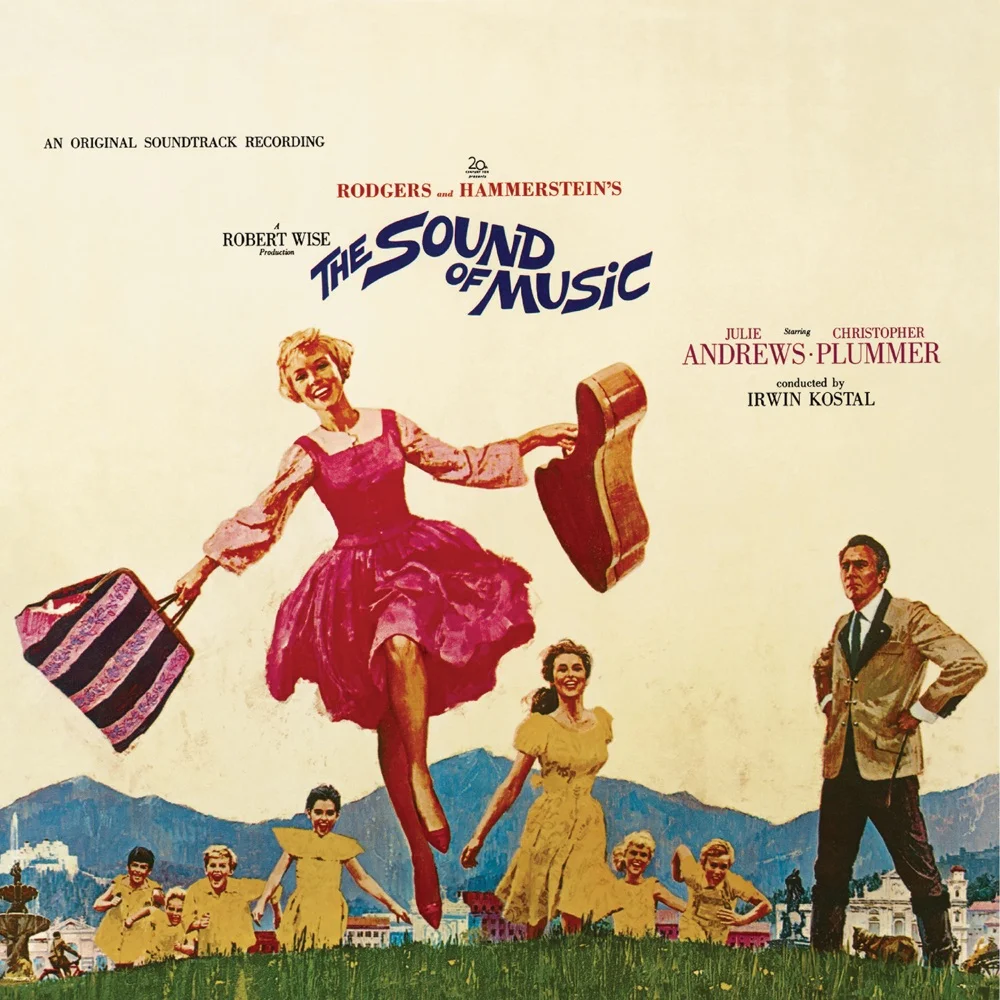
The Gold Standard of Musical Theatre
"My Favorite Things" is a masterclass in mood shifting. Sung by Maria in The Sound of Music to calm the children during a thunderstorm, the song transitions from a nervous minor key to a triumphant major key. It is sung in a fast waltz time (3/4), requiring excellent rhythmic pulse and diction.
To capture the essence of Julie Andrews, you must focus on clarity. She does not "slur" her words. Every consonant is intentional, and her head voice is bright and bell-like. Let's break down how to approach this classic.
Phase 1: The Minor Verses (0:00 - 1:15)
The song begins in E Minor. The melody hovers around the lower-middle register (E3 to B4). The challenge here is articulation.
- Consonants: Emphasize the 'K' in "Whiskers on kittens" and the 'T' in "Mittens". This crispness gives the song its energetic, percussive feel.
- Tone: Keep the sound light and forward in the "mask" of your face. Avoid a heavy, chesty sound, which will make you sound sluggish.
Phase 2: The Bridge (1:15 - 1:45)
On the lyrics "When the dog bites, when the bee stings," the melody builds tension. You need to maintain consistent breath support here as the phrases are punchy and quick. The tendency is to run out of breath before "stings"—make sure to take a quick "sip" of air after "bites".
Phase 3: The Major Resolution (1:45 - End)
The song modulates to the major key on "I simply remember my favorite things." This is the emotional release. The vocal color should shift from mysterious to sunny and bright.
The final note on "And then I don't feel so bad" hits an E5. Julie Andrews sings this in a reinforced head voice. Do not yell this note. Think of sending the sound out the top of your head for a sweet, ringing finish.