 Singing Coach AI
The Ultimate "Torch Song" Challenge
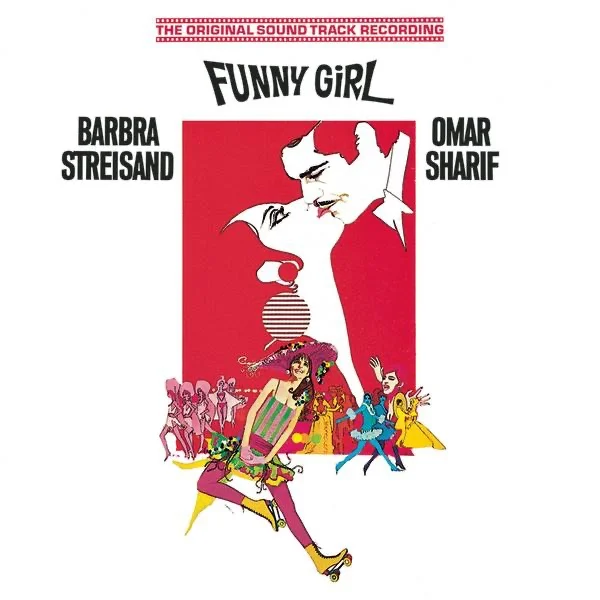
"My Man" (originally Mon Homme) is a standard that has been interpreted by many, but Barbra Streisand's version from *Funny Girl* and her early albums is widely considered the vocal gold standard. It is a song that demands total commitment—you cannot sing this passively.
To succeed here, you need to combine the acting skills of a theatre performer with the sheer power of a pop belter. The song structure relies heavily on a slow build, starting with a conversational recitative and ending with one of the most famous sustained notes in musical theatre history.
Phase 1: The Confession (0:00 - 1:15)
The song begins low, often around G3 or A3. The lyrics "Oh, my man, I love him so" should be delivered almost like a secret. Streisand uses a very clean, non-breathy tone here, but keeps the volume low (mezzo-piano).
The Trap: Many singers start too loud. If you give away your power here, you have nowhere to go for the ending. Keep it contained.
Phase 2: The Build (1:15 - 2:10)
As the lyrics become more desperate ("He isn't true, he beats me too"), the vibrato should widen and the volume should increase to mezzo-forte. This is where you begin to mix your chest voice with your head voice to prepare for the climb.
- Articulation: Emphasize the consonants to convey the pain in the lyrics.
- Resonance: Move the sound forward into the "mask" (the front of your face) to get that signature Streisand "ping."
Phase 3: The Powerhouse Climax (2:10 - End)
The finale is legendary. The line "For whatever my man is" initiates the final sequence of belts. You will need to hit D5 and eventually sustain an E5 on the final "My man!"
To hit this without straining, engage your core muscles deeply. Do not lift your chin to reach the note; keep your neck neutral and think of singing "down" into the note. The vowel shape should be open (bordering on "Ah") rather than a closed "Man" sound, which will help release the tension.