 Singing Coach AI
Mastering the "Aqua" Sound
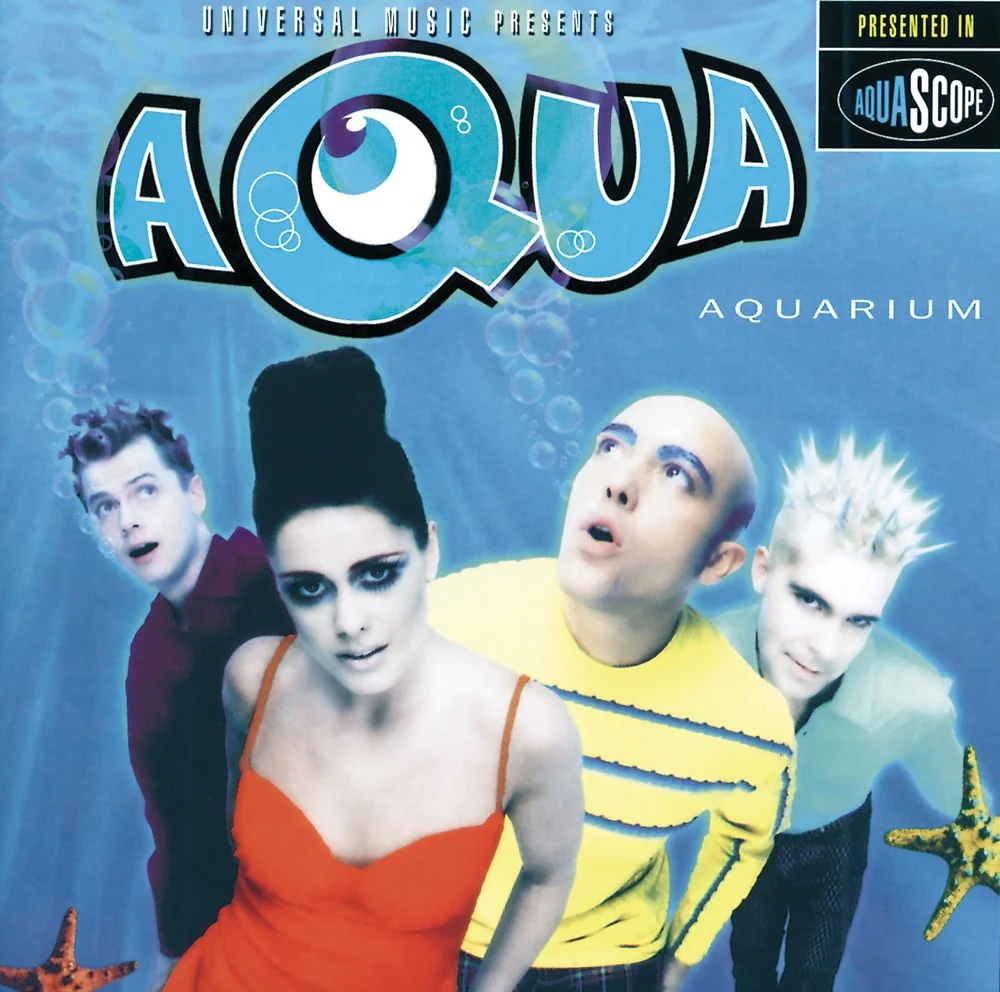
"My Oh My" is a quintessential example of the 90s Eurodance style, famously delivered by the Danish group Aqua. Released in 1997 on the album Aquarium, the song relies on a theatrical contrast between Lene Nystrøm's high-pitched, childish soprano and René Dif's deep, raspy vocals. It mimics the sound of galloping horses, setting a unique rhythmic challenge.
To score high on Singing Coach AI, you need to treat this song as a duet, even if you are singing alone. You must drastically alter your tone placement between the verses and the chorus.
Phase 1: The "Horseman" (Verses)
The verses are sung by René Dif in a low, gravelly style (approx. F#2 - C#3). This is less about melody and more about rhythmic speaking.
- Tone: Use vocal fry and heavy chest resonance. Think of a "pirate" or "storyteller" voice.
- Rhythm: The lyrics "I've stolen from the rich and I've given to the poor" must be delivered with staccato precision to match the galloping beat.
Phase 2: The Princess (Chorus)
Lene's chorus ("My oh my, do you wanna say goodbye?") sits much higher. The melody revolves around C#5 and climbs to E5.
The Trap: Many singers strain their throat trying to hit these notes with power. Instead, thin out your vocal cords and use a mix of head voice and "twang." Keep the volume moderate; the microphone will do the heavy lifting.
Phase 3: The Classical Intro & Outro
The song opens with a baroque-style harpsichord intro. When the vocals enter, ensure your pitch is dead center. Unlike the verses, which allow for "sliding" into notes, the intro requires pure, straight-tone singing to match the classical aesthetic.