 Singing Coach AI
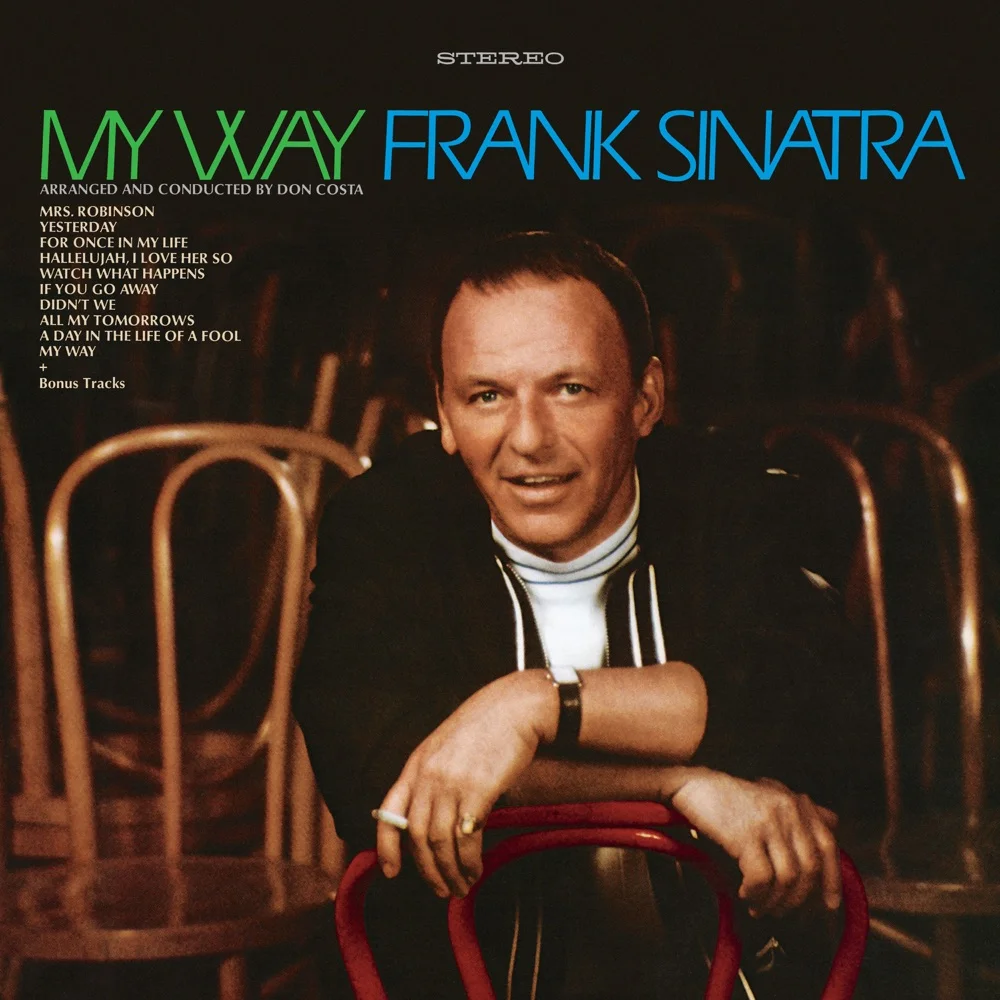
The Ultimate Anthem of Self-Expression
"My Way" is one of the most covered songs in history, but Frank Sinatra's 1969 version remains the gold standard. Adapted from a French song "Comme d'habitude" with lyrics by Paul Anka, it is a quintessential baritone track that tests your ability to tell a story through vocal dynamics.
Unlike pop songs that maintain a consistent volume, "My Way" requires you to start at a near-whisper and end with an operatic belt. To sing this effectively, you must master the "Sinatra breath" technique—holding long phrases without gasping for air.
Phase 1: The Conversational Start
The song begins in D Major. The opening lines "And now, the end is near" sit low in the range (around B2 to D3). The goal here is warmth and clarity.
The Trap: Many singers go too "fry-heavy" or gravelly on the low notes. Keep the sound supported and forward in the mask of your face to ensure the lyrics are intelligible, even at low volume.
Phase 2: The Build (Modulation and Intensity)
As the song progresses, the orchestration swells. You need to match this energy vocally. By the time you reach "I've loved, I've laughed and cried," you should be at a strong mezzo-forte.
- Vowel Modification: On higher notes, modify your vowels to be taller. A wide "Ah" can sound splatty; try shading it towards "Uh" or "Aw" for a richer tone.
- Breath Support: The phrases get longer here. Engage your diaphragm deeply before lines like "And did it my way."
Phase 3: The Climactic Belt
The final verse brings the song's emotional peak: "For what is a man, what has he got?" This section demands full chest resonance. You will need to hit a sustained F4 (or F#4 in some arrangements).
To hit this safely, think of sending the sound "down" into the floor rather than reaching up. This mental imagery helps lower the larynx and prevents vocal strain during the powerful finale.