 Singing Coach AI
Defining the "Indie Sleaze" Sound
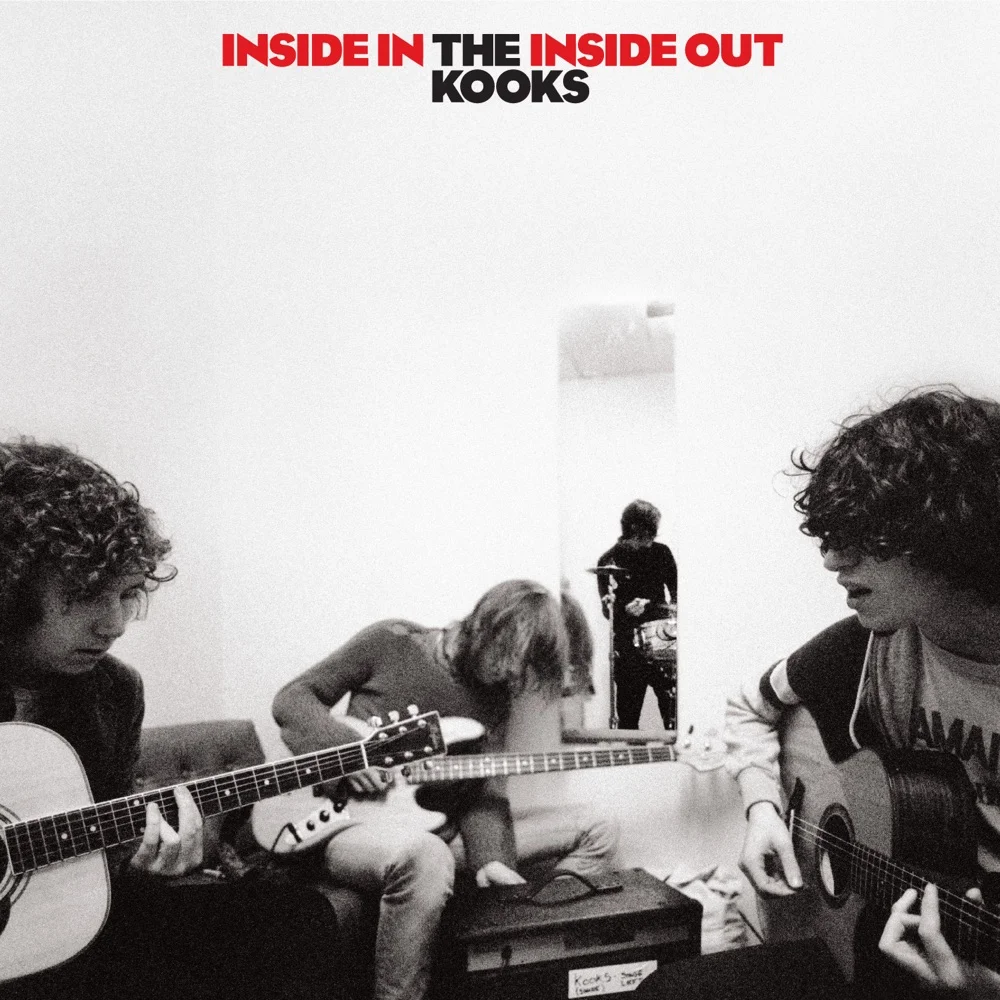
Released in 2006 as part of their debut album Inside In/Inside Out, "Naive" by The Kooks became an instant indie classic. Vocalist Luke Pritchard delivers the lyrics with a distinctive Brighton accent, characterized by clipped consonants and flattened vowels. The song is less about vocal gymnastics and more about rhythmic pocket and attitude.
The track is set in G# Minor, which gives it that slightly moody yet energetic feel. For singers, the main challenge is navigating the rapid-fire delivery of the verses while maintaining enough breath support for the soaring chorus lines.
Phase 1: The Verses (Rhythm & Staccato)
The verses ("I'm not saying it was your fault...") require excellent timing. The melody sits comfortably in the middle of the chest voice, but the syncopation with the funky guitar riff can throw beginners off.
Technique: Keep your sound "forward" in the mask of your face. Avoid a heavy, chesty operatic tone. Use a staccato approach, keeping the words short and punchy to match the guitar stabs.
Phase 2: The Chorus (The Hook)
The chorus ("I know she knows that I'm not fond of asking") opens up melodically. Here, Pritchard uses a mix of chest and head resonance. The repetitive nature of the melody means you need to maintain consistent energy without straining.
- Vowel Modification: In the indie style, the "I" sound in "Naive" is often flattened towards an "O" or "Ah" shape to keep the throat open while maintaining the accent.
- Dynamics: Step up the volume here, but don't shout. It needs to sound effortless.
Phase 3: The Bridge
The bridge section ("So how could this be done?") builds emotional tension. The notes climb slightly higher, testing your passagio (the break between chest and head voice). Ensure you have taken a deep, low breath before this section to carry the longer phrases.