 Singing Coach AI
Mastering the Soulful Groove
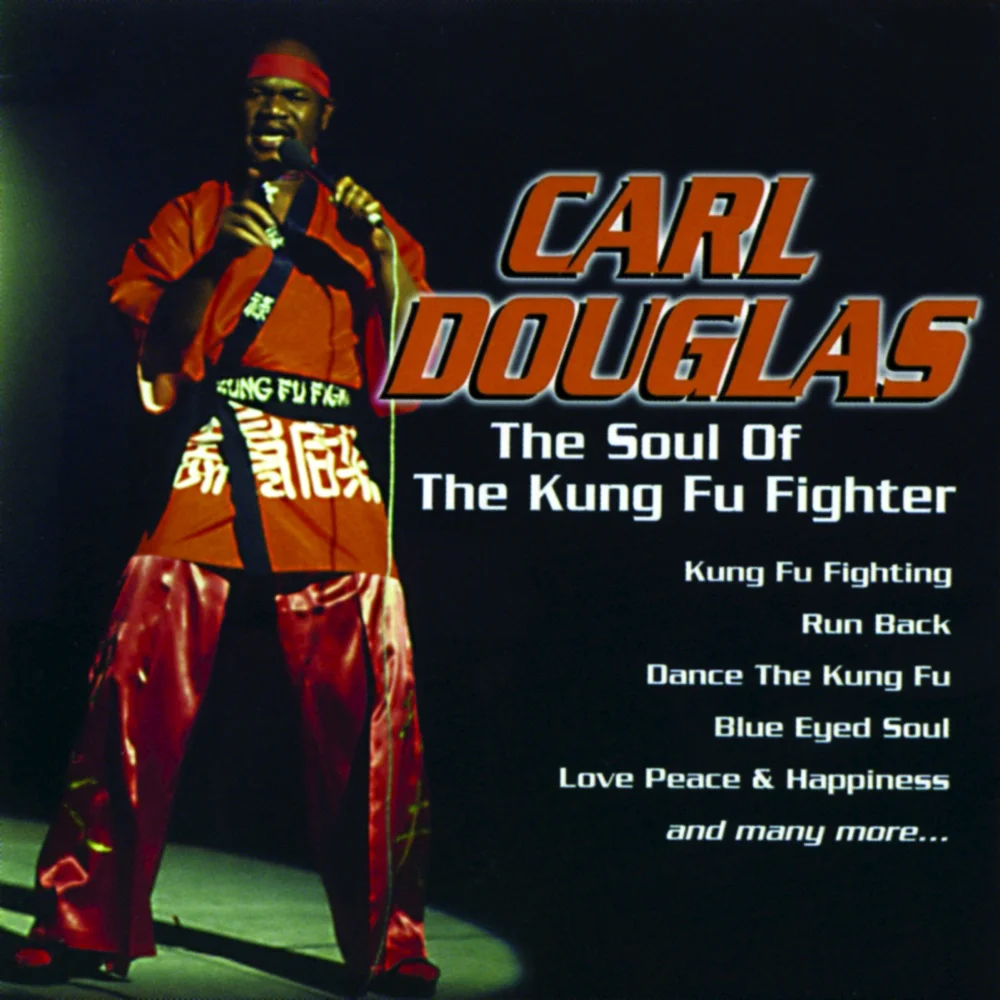
"Never Had a Love Like This Before" allows Carl Douglas to showcase a different side of his vocal ability compared to his martial arts anthems. This track is a quintessential soul/R&B ballad that relies heavily on "feel," timing, and smooth legato phrasing rather than just raw power.
To sing this well, you need to relax. The tension that helps in rock music will kill the vibe here. You need a warm chest resonance and the ability to slide gracefully between notes without losing pitch accuracy.
Phase 1: The Smooth Verses
The song starts with a gentle, inviting tone. The key here is breath control. You want to sing long phrases without gasping for air in the middle of a sentence.
Technique: Focus on "Legato" singing—imagine the notes are glued together. Avoid punching the consonants too hard. Keep your jaw loose and vowels rounded for that warm 70s studio sound.
Phase 2: The Chorus Hook
The title line, "Never had a love like this before," is the most memorable part of the song. It requires a lift in dynamics. You should be in your upper chest voice or a strong mix here.
- Placement: Bring the sound forward into your "mask" (the front of your face) to get a brighter tone that cuts through the instrumentation.
- Pitch Accuracy: Be careful with the descending melody lines. It’s easy to go flat when the melody drops down at the end of the phrase.
Phase 3: Stylistic Ad-libs
Towards the end of the song, Douglas adds more grit and emotion. This is where you can experiment with vocal runs and ad-libs. However, simplicity is key. A few well-placed soulful turns are better than over-singing.
Try using a pentatonic scale for your ad-libs, as this fits the genre perfectly. Keep your throat open to maintain resonance even when improvising.