 Singing Coach AI
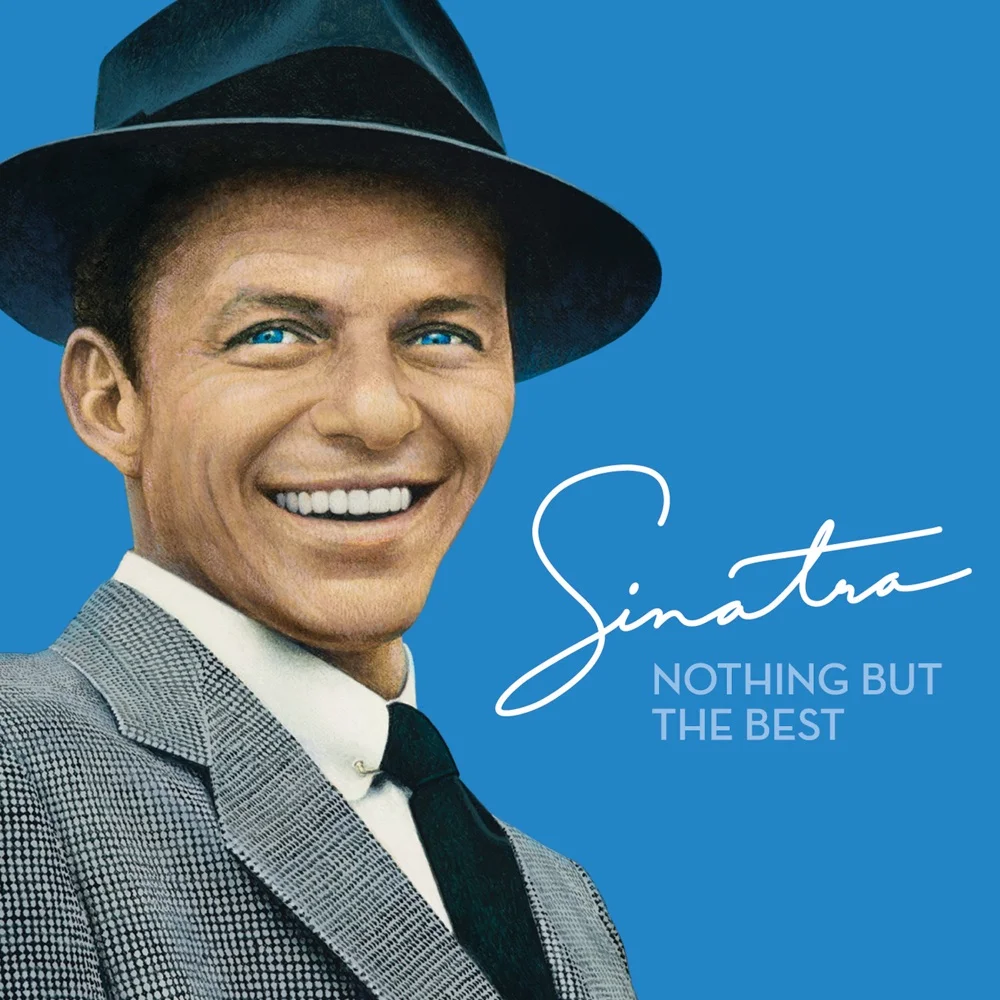
The Ultimate Showstopper
"New York, New York" isn't just a song about a city; it's a song about resilience and ambition. While originally written by Kander and Ebb for Liza Minnelli, Frank Sinatra transformed it into the ultimate baritone anthem in 1980. The track is famous for its slow build-up, its "kick-line" tempo change, and that massive final note.
To sing this well, you need more than just pitch accuracy. You need "swagger." The technical challenge lies in managing your breath support while keeping the tone relaxed and conversational until the explosive finale. Let's break down exactly how to tackle it.
Phase 1: The Croon (0:00 - 1:26)
The song begins in D Major. The opening lines ("Start spreading the news, I'm leaving today") sit in the lower register (A2-D3). This requires chest resonance, but keep it warm, not heavy.
The Trap: Many singers try to project too loud too early. Keep the volume at a mezzo-piano. Imagine you are telling a secret to someone sitting next to you at a bar. Keep the diction clear, especially on the "T"s and "K"s (York, New York).
Phase 2: The Build & Modulation (1:26 - 2:35)
As the drums kick in and the tempo picks up, the key modulates up a half step (to E Major in many live versions, though the studio track shifts subtly). The energy must lift here. Your voice should transition from a conversational tone to a more projecting "stage" voice.
- Vagabond Shoes: Add a slight accent to these words to match the rhythm of the brass section.
- King of the Hill: This section requires a brighter tone placement. Smile slightly as you sing to lift the soft palate.
Phase 3: The Big Finish (2:35 - End)
This is the test of your lung capacity. The final lyrics "It's up to you, New York, New York" feature the highest notes of the song. The melody climbs to an E4 and finally sustains a powerful F4.
To hit the final "York" without cracking, drop your jaw and think of the vowel as "Aw" rather than "Ork." This creates more space in the throat. You need to take a massive breath before the final phrase to sustain the note for the full duration.