 Singing Coach AI
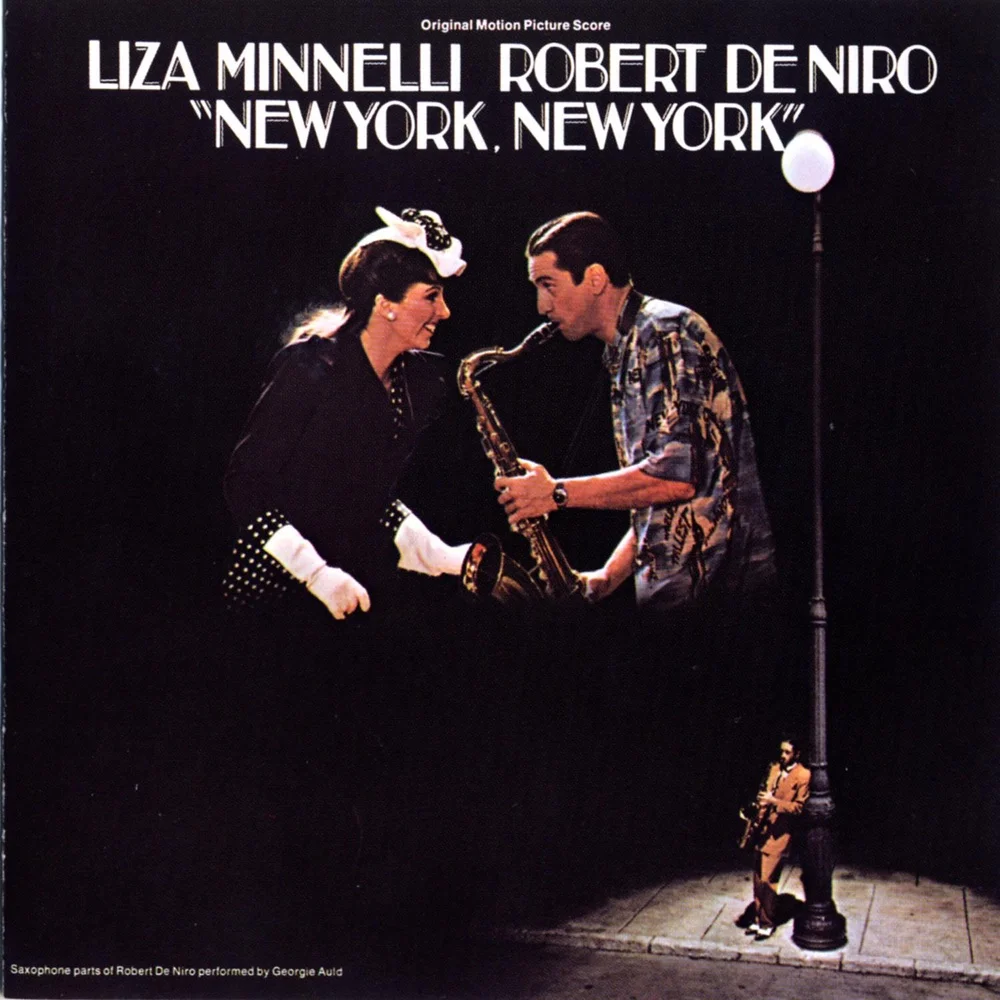
The Ultimate Showstopper
Originally from the 1977 Martin Scorsese film of the same name, "New York, New York" is more than just a song—it's an attitude. While Frank Sinatra made it a swing standard, Liza Minnelli's version is a masterclass in theatrical storytelling and vocal power. It requires a strong chest voice, impeccable diction, and the ability to sustain high-energy belting.
The song is structured as a slow build. You cannot give 100% volume at the start, or you will have nowhere to go for the grand finale. Let's break down the technique required to act and sing this piece.
Phase 1: The Intro (0:00 - 0:45)
The opening lines, "Start spreading the news," sit low in the range (around F3/G3). This should be sung with a speech-level quality. Don't push too much air here. Keep the tone warm and inviting, as if you are whispering a secret to the audience.
The Trap: Many singers lose clarity in the low notes. Ensure your consonants (S, T, P) are crisp and energetic to project the text without shouting.
Phase 2: The Build (0:45 - 2:00)
As the lyrics move to "I want to wake up in a city that never sleeps," the melody rises. You need to begin brightening your tone. Slightly raise your soft palate and smile to encourage forward resonance. This "twang" will help you cut through the brass section of the backing track.
Phase 3: The Big Finish (2:00 - End)
This is the moment of truth. The final section, "If I can make it there, I'll make it anywhere," requires full body engagement. The climax hits a powerful D5 belt.
To sustain the final "New York," drop your jaw and anchor your breath low in your body. Do not tighten the neck. Think of the sound shooting out across a stadium. If the D5 is too high, it is acceptable to mix it, but the style demands a chest-dominant sound.