 Singing Coach AI
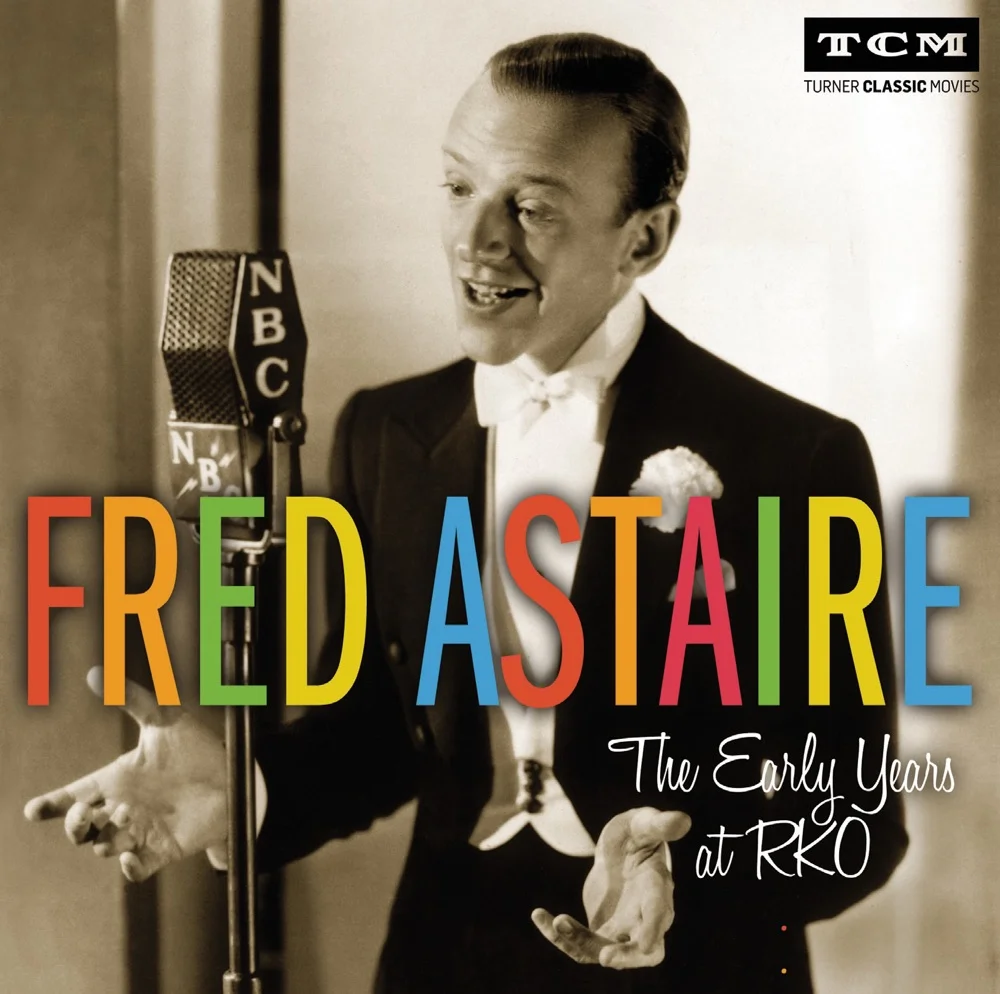
Mastering the "Astaire" Style
Fred Astaire was not known for having a massive vocal range or a booming opera voice. Instead, he was the master of rhythm and phrasing. "Nice Work If You Can Get It," written by George and Ira Gershwin, requires you to treat the lyrics almost like a conversation set to music.
To sing this well, you need to relax your jaw and focus on "forward placement." The sound should feel like it is buzzing behind your front teeth, giving it that bright, optimistic quality without sounding shouted.
Phase 1: The Verse (Conversational Tone)
The song usually begins with a verse that sets the scene ("The man who only lives for making money..."). This section should be sung rubato—meaning with freedom of tempo. Treat it like you are telling a secret to a friend.
The Trap: Don't try to add vibrato to every note. Keep the tone straight and simple, only allowing a little vibrato at the very end of phrases.
Phase 2: The Chorus (Rhythmic Precision)
When the main hook kicks in ("Holding hands at midnight..."), the rhythm tightens up. The melody bounces. You need crisp diction here.
- Consonants: Make sure your 'T's and 'K's are crisp. Astaire was a dancer, and his singing had the same percussive quality as his tap shoes.
- Legato lines: Contrast the bouncy parts with smooth, connected singing on lines like "Strolling with the one girl."
Phase 3: The High Point (The Bridge)
The bridge section pushes slightly higher in the range. Ensure you keep your throat open and relaxed. If you feel tension, you are likely pushing too much air. Back off the volume and rely on resonance.
Remember, this is a love song, but it's a cool love song. It shouldn't sound desperate; it should sound effortless and charming.