 Singing Coach AI
The Art of Nonchalance
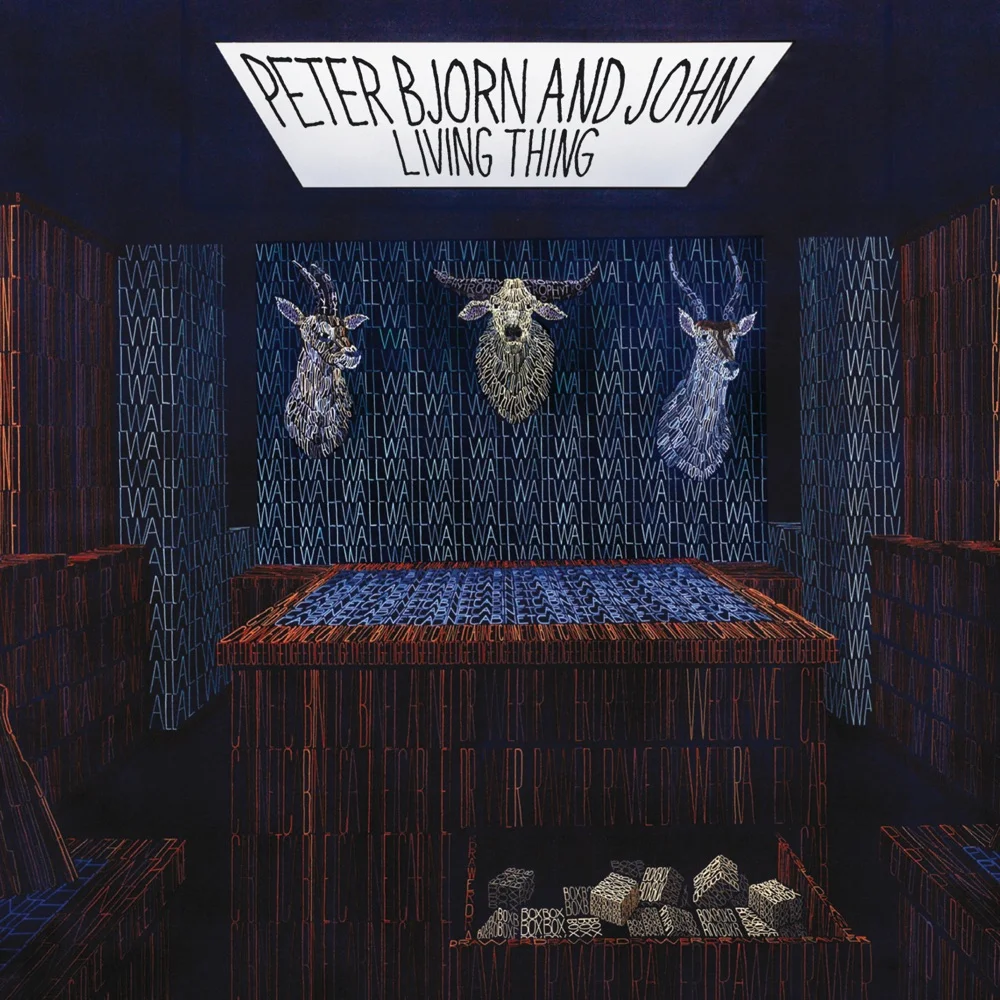
Released on the album Living Thing (2009), "Nothing to Worry About" is a masterclass in indie-pop minimalism. Unlike power ballads that require massive lung capacity, this song relies on groove, timing, and a very specific vocal attitude. It features a driving bassline, clanging percussion, and a vocal delivery that sits somewhere between singing and speaking.
The challenge isn't hitting high notes; it's sounding effortless while maintaining rhythmic precision. The vocals are dry, upfront, and need to lock in perfectly with the beat. Let's break down how to capture that cool, Swedish indie vibe.
Phase 1: The Verses (Spoken Style)
The verses ("Folks said that you found someone new...") are delivered in a mid-range chest voice. The key here is articulation without over-enunciating. It should sound like a casual conversation set to music.
The Trap: Adding too much vibrato or "singer" affectation. Keep the tone straight and flat. Think of it as reciting poetry with a melody rather than performing an opera.
Phase 2: The Chorus Lift
When the line "And I've got nothing to worry about" hits, the melody lifts slightly, but the energy shouldn't explode. It stays contained. The melody centers around the B major scale but keeps a raw, garage-rock feel.
- Tone: Keep it bright and forward. Avoid a dark, heavy chest voice.
- Rhythm: The syllables "wor-ry a-bout" need to be punchy and distinct.
- Attitude: The lyrics suggest confidence. Sing it with a smirk.
Phase 3: The Bridge & Outro
The song features repetitive hooks and backing vocals that layer up. The whistling section is iconic, but for the vocal score, focus on the underlying chants and the main lyrical line. The outro requires stamina as the phrase repeats; ensure you are taking quick, efficient breaths to keep the energy consistent to the fade-out.