 Singing Coach AI
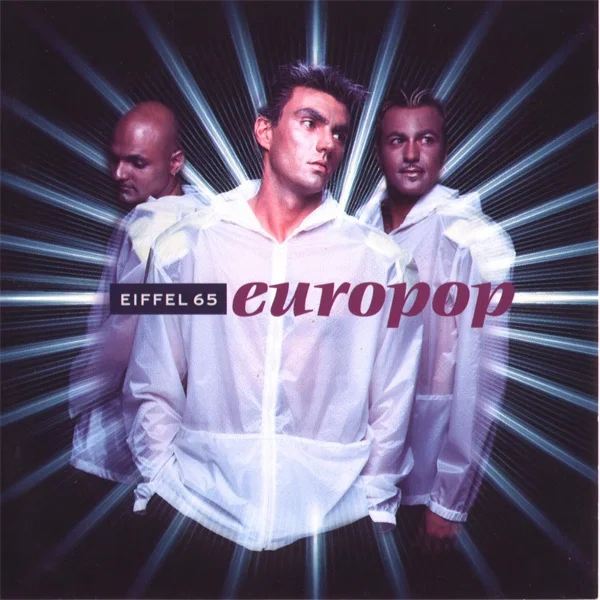
The Essence of Italo-Dance
Eiffel 65 dominated the late 90s and early 2000s with a distinct sound: processed vocals over high-energy beats. "Now Is Forever" captures this perfectly. While it doesn't require an operatic range, it demands incredible rhythmic discipline and tonal control.
Jeffrey Jey, the lead vocalist, uses a style that is almost spoken-word in the verses but melodic in the chorus. The challenge for a human singer is to sound as precise as the electronic instruments surrounding them without sounding lifeless.
Phase 1: The Rhythmic Verse
The verses are less about melody and more about rhythm. The key is in the articulation. You need to enunciate clearly and quickly to keep up with the 130+ BPM tempo. Don't drag your notes.
The Trap: Many singers get lazy with their consonants in electronic music. The AI evaluates your timing on the beat. If you are slightly behind, the high-energy backing track will bury your vocals.
Phase 2: The Chorus (The Hook)
The chorus line, "Now is forever," moves into a more sustained melodic line. This sits comfortably in the mid-range (around E3-B3). The contrast between the staccato verse and the legato chorus is what gives the song its dynamic feel.
- Breath Support: The phrases are repetitive and continuous. Plan your breaths so you don't chop the melody in the wrong places.
- Pitch Accuracy: Because the instrumentation is synthesized, it is perfectly in tune. Any deviation in your pitch will be very obvious against the backing track.
Phase 3: The Electronic Style
Unlike rock or soul, you aren't looking for grit or bluesy runs here. You are aiming for a clean, bright, and forward sound. Keep your soft palate raised but keep the sound forward in the mask of your face to cut through the heavy bass and synths.