 Singing Coach AI
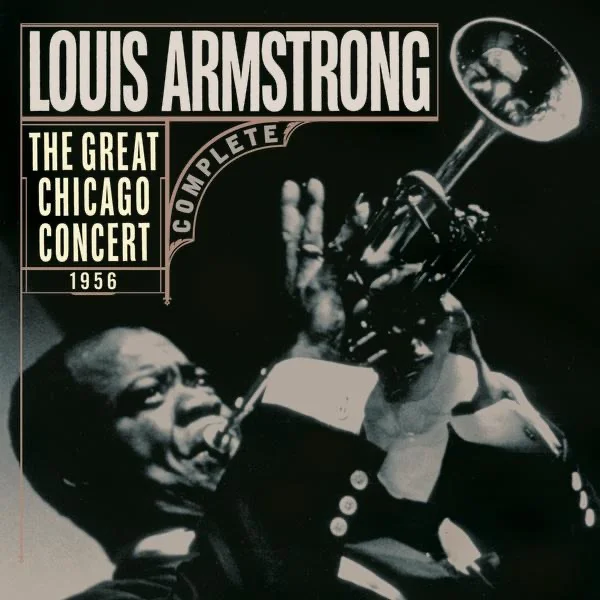
A Masterclass in Jazz Phrasing
Recorded by Louis Armstrong in the early 1930s, On the Sunny Side of the Street is the epitome of the "swing" feel. Unlike modern pop songs that often land squarely on the beat, Armstrong sings this with a laid-back, lazy delivery that sits just behind the beat.
To score high on this track, you must abandon rigidity. You are telling a story of optimism. The vocal technique required here is a mix of solid chest resonance and stylistic expression that mimics the articulation of a trumpet.
Phase 1: The Melody (0:00 - 1:15)
The song usually opens in C Major. The entry "Grab your coat, and get your hat" is conversational. The challenge is the interval jump on "Sun-ny." It requires a confident leap without shouting.
The Trap: Rushing. The band is swinging; you must swing with them. Practice snapping your fingers on beats 2 and 4 while singing to lock into the groove.
Phase 2: The Bridge (1:15 - 1:45)
The section "I used to walk in the shade..." moves to a slightly more legato (smooth) style. Armstrong creates contrast here by elongating the vowels on "blues" and "parade."
- Resonance: Keep the sound buzzing in your chest (sternum).
- Diction: Soften your consonants. "Walk" becomes almost "Wah-k" to maintain the flow.
- Dynamics: Swell slightly on the ascending lines to mimic the brass section.
Phase 3: Improvisation & Variation (1:45 - End)
In true jazz fashion, the second pass of the melody is never sung exactly like the first. Armstrong often changes the timing or the notes entirely.
To master this style, try "back-phrasing"—intentionally delaying the start of a phrase so you have to speed up slightly to catch up. This creates that signature relaxed Louis Armstrong feel. The Singing Coach AI app measures your rhythmic deviation to ensure you are swinging, not just dragging.