 Singing Coach AI
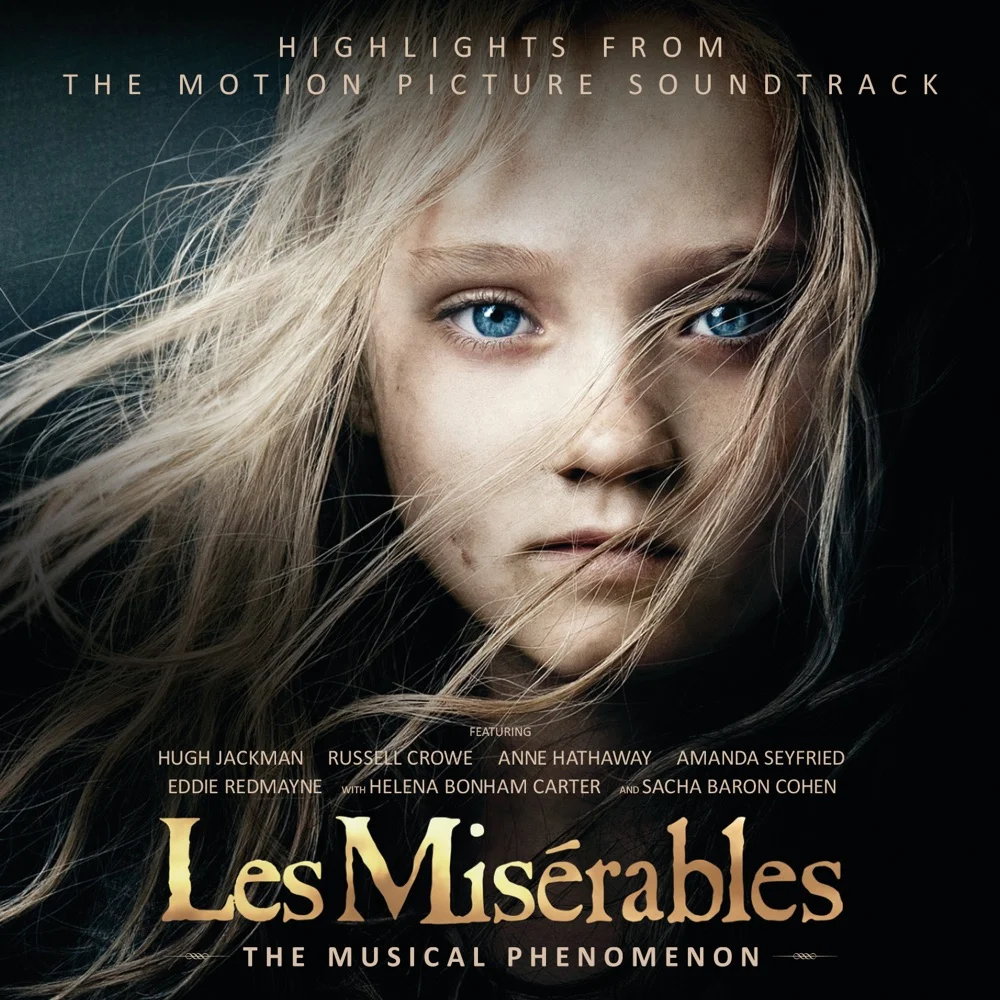
The Ultimate Broadway Polyphony
One Day More is the Act One finale of Les Misérables, and it serves as the narrative boiling point where every major character's storyline intersects. Composed by Claude-Michel Schönberg, this track uses a technique called a "quodlibet"—singing different melodies simultaneously—to create massive tension.
To sing this well, you need more than just a good voice; you need impeccable timing. You must switch between the lyrical legato of Valjean, the frantic counterpoint of the lovers, and the martial staccato of the revolutionaries. Let's break down the vocal strategy.
Phase 1: Valjean & The Triangle (0:00 - 1:15)
The song begins in A Major with Valjean's soliloquy. The tempo is steady. The challenge here is the "E" vowel on "One Day More." Keep it modified towards "Eh" or "Ih" to avoid a pinched sound.
The Convergence: As Marius and Cosette enter with "I did not live until today," Eponine sings a counter-melody ("One more day all on my own"). If you are singing the Eponine part, you must hold your pitch against the harmony, which creates dissonant friction before resolving.
Phase 2: The Revolutionaries (1:45 - 2:30)
Enjolras enters with "One more day before the storm." The style shifts instantly. You must drop the legato and adopt a crisp, march-like articulation.
- Javert's Interjection: "We will nip it in the bud." This must be sung with punchy consonants. The AI Coach tracks rhythmic accuracy here down to the millisecond.
- The Thénardiers: Their lines are comedic and patter-based. Accuracy relies on diction speed, not sustain.
Phase 3: The Quodlibet (2:55 - End)
This is the "money section." The key modulates to C Major. Valjean, Marius, Cosette, Eponine, Enjolras, Javert, and the Thénardiers all sing at once.
To survive this section, you must project your voice forward. For the high notes (Sopranos on High C, Tenors on G/A), use deep diaphragmatic support. Do not scream; use "twang" to cut through the heavy orchestration.