 Singing Coach AI
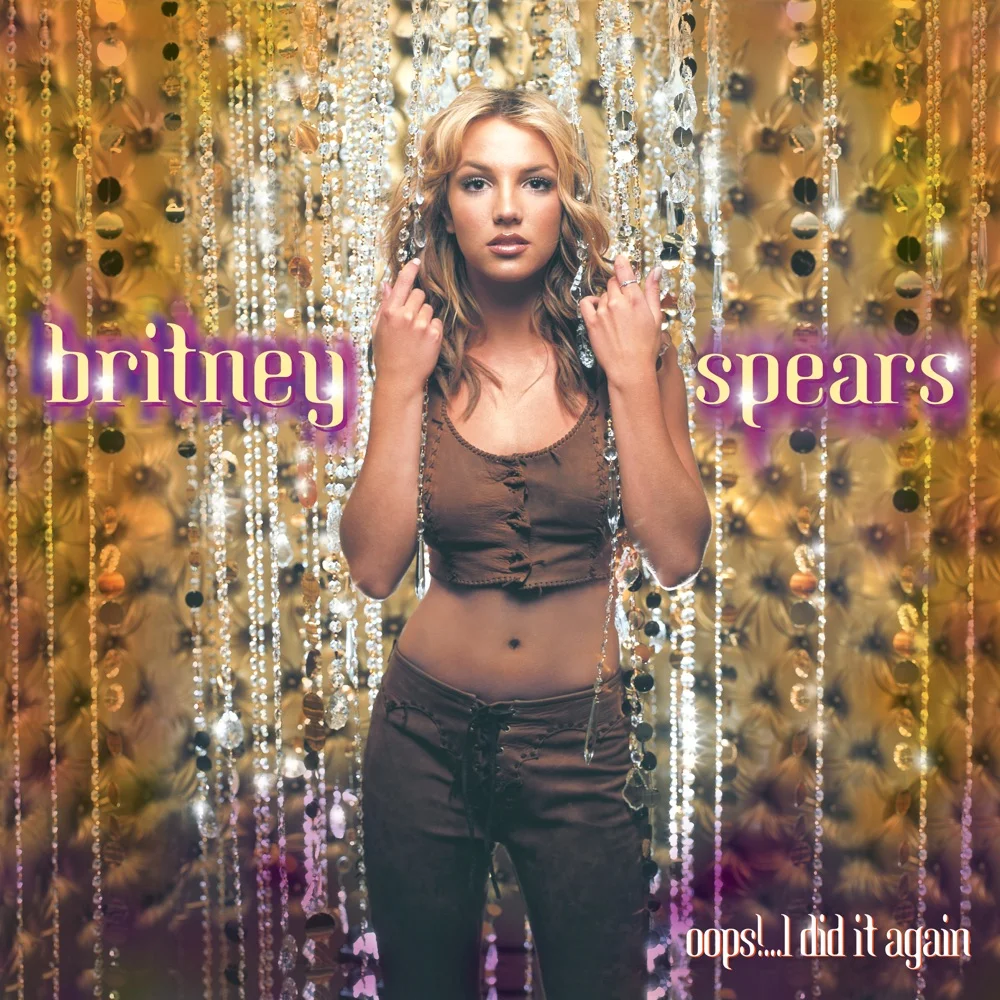
The Queen of Teen Pop Vocals
"Oops!... I Did It Again" is a masterclass in the Max Martin school of pop production. Released in 2000, it solidified Britney's sound: a distinct blend of vocal fry, nasal resonance (the "baby voice"), and percussive diction. While the notes themselves aren't extremely high, the character of the voice is difficult to replicate without practice.
The song is sung primarily in C# Minor. To nail this track, you need to abandon classical "round" vowels and embrace a flatter, brighter sound that cuts through the synthesizer-heavy mix.
Phase 1: The Verses (Low & Breathy)
The verses sit quite low in the range, touching down to C#3. This is where you need to employ "vocal fry"—that creaky, popping sound at the bottom of your register. It adds intimacy and attitude.
The Trap: Don't try to project too loud here. The verses are meant to sound secretive. Keep your volume at a 4/10 but keep the breath support active so the pitch doesn't go flat.
Phase 2: The Chorus (Nasal Resonance)
When the chorus hits, the placement shifts up. You need to use "forward placement." A good trick is to smile while you sing; this lifts the soft palate and brightens the tone naturally.
- "Oops": Hit this with a glottal stop for emphasis.
- "That is just so...": Maintain the nasal twang here. If you sing this with too much chest voice, it will sound too heavy and lose the "pop" feel.
- Rhythm: The melody is syncopated. Make sure you aren't dragging behind the beat.
Phase 3: The Spoken Bridge (Acting)
The famous breakdown—"But I thought the old lady dropped it into the ocean in the end"—is pure acting. You aren't singing notes here; you are speaking with rhythm. The AI Coach analyzes the timing of your speech against the backing track to ensure you lock in with the "Well baby, I went down and got it for you" response.