 Singing Coach AI
Mastering the Folk-Rock Stomp
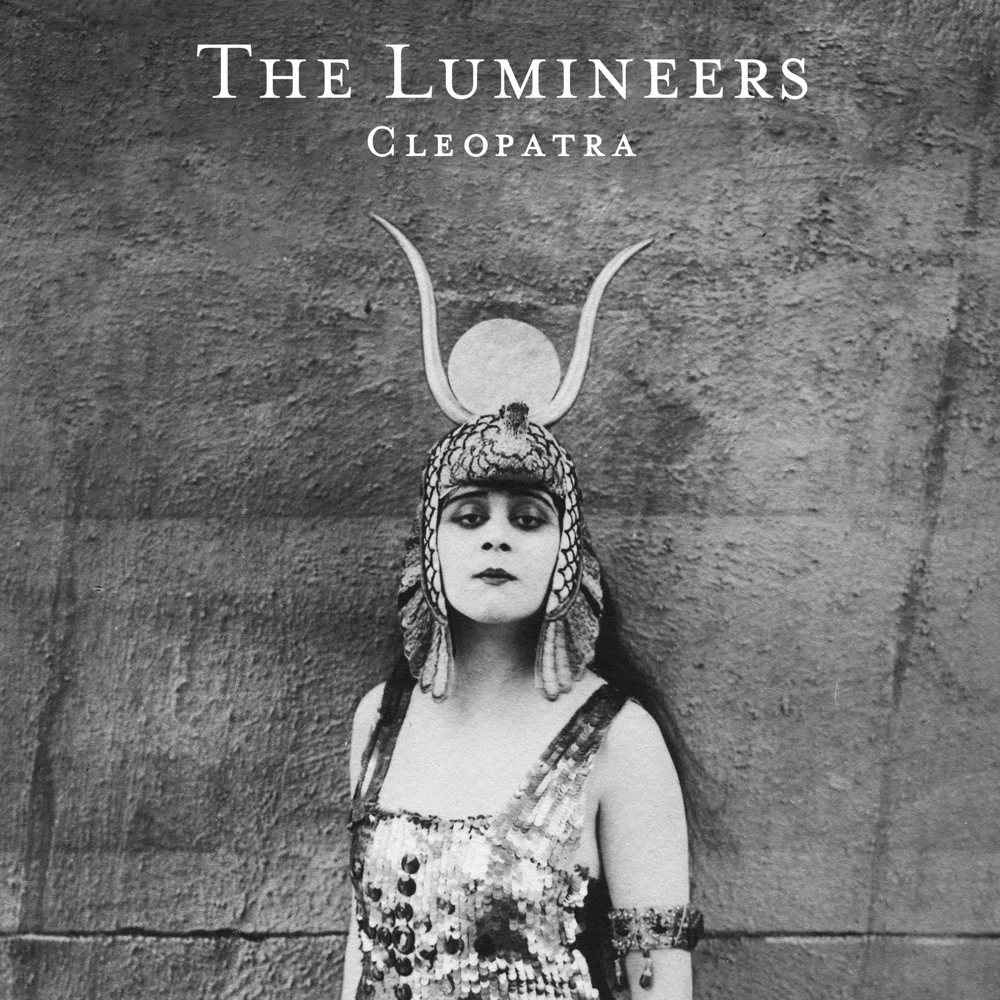
"Ophelia" by The Lumineers is a masterclass in modern folk-rock. Released on their 2016 album Cleopatra, the song relies less on vocal acrobatics and more on raw emotion, precise rhythm, and a distinctive "shouted" resonance that cuts through the mix. It mimics a march, demanding that the singer lock in perfectly with the driving piano line.
To sing this well, you need to abandon the polished "pop" sound. Wesley Schultz's vocal performance is characterized by a slightly raspy, forward-placed tone. Let's break down exactly how to tackle the verses and that anthemic chorus.
Phase 1: The Verses (Rhythmic Precision)
The verses ("Ah, ah, when I was young...") sit in a comfortable Baritone range (around C3-C4). The challenge here isn't hitting the notes; it's placing them on the beat. The melody is syncopated against the piano chords.
The Trap: Many singers drag behind the beat. You need to keep the energy forward. Treat your voice like a percussion instrument during lines like "I got a little paycheck, you got big plans."
Phase 2: The "Oh-phelia" Chorus
This is the emotional core of the song. The line "Oh, Ophelia" jumps up to an F4. This isn't a high note for Tenors, but for Baritones, it sits right at the break (passaggio). You need to modify your vowel shape.
- The "Oh": Drop your jaw vertically. If you spread your lips wide, the sound will thin out and strain. Think of a tall "Aw" shape.
- Heaven help a fool: This descending line requires breath control. Don't let the end of the phrase die out; support the tone until the very last word.
Phase 3: The Bridge (Emotional Dynamics)
The bridge section ("Honey, I love you, that's all she wrote") strips back the instrumentation. This is where you can showcase vocal texture. A little bit of "fry" or rasp at the onset of the phrase adds authentic folk character.
Maintain a strong chest resonance here. Do not switch to head voice, or you will lose the stylistic intensity of the track.