 Singing Coach AI
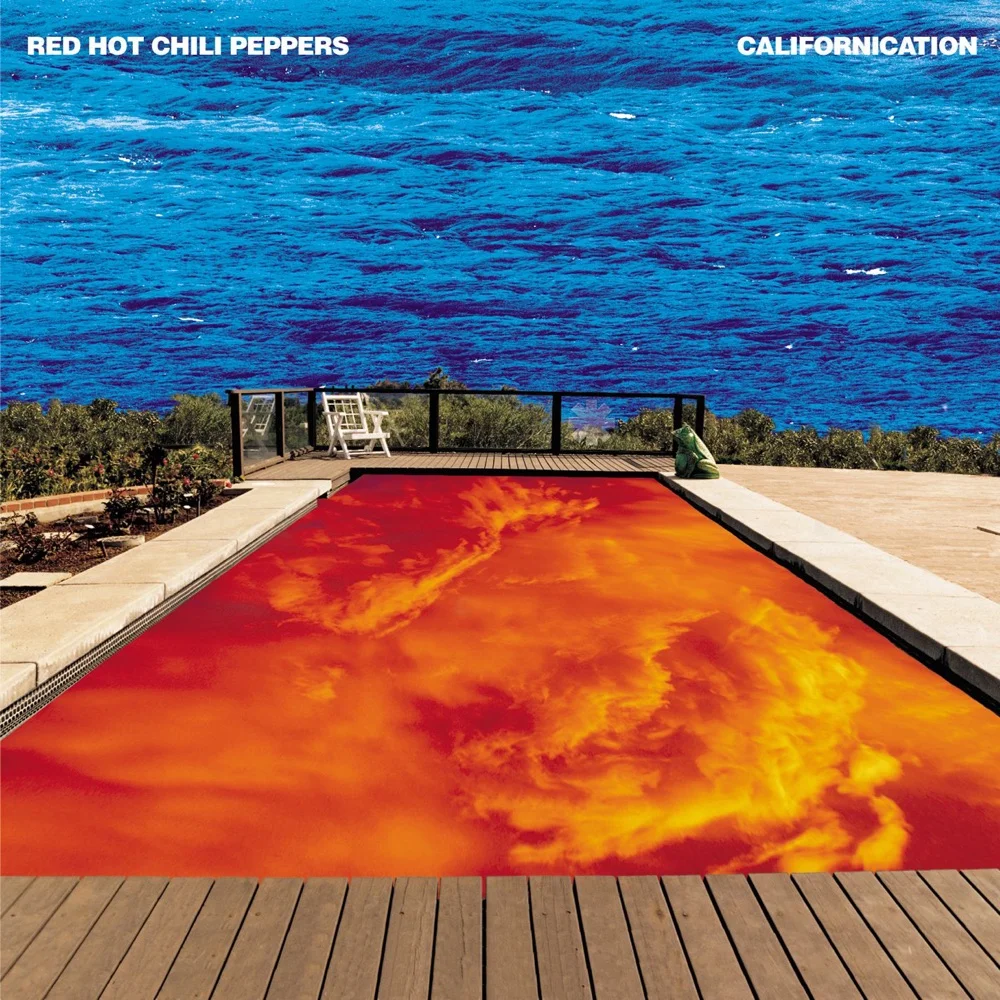
Mastering the Melancholy of "Otherside"
Released on the 1999 album Californication, "Otherside" is a masterclass in dynamic contrast. Anthony Kiedis utilizes a monotone, almost spoken-word delivery in the verses, which explodes into a full-voice belt during the chorus. This song isn't about vocal gymnastics; it's about stamina and emotional weight.
To sing this effectively, you need to stay grounded in your chest voice. The challenge lies in maintaining pitch accuracy during the repetitive phrasing without sounding robotic.
Phase 1: The Verse (0:00 - 0:54)
The verse sits comfortably in the middle of the chest register (around A3). The melody is very static, hovering on just a few notes. The danger here is going flat due to lack of energy.
The Technique: Even though the volume is lower, keep your breath support engaged. Imagine you are talking to someone across the room. This "projection" mindset keeps the pitch sharp without increasing volume.
Phase 2: The Chorus Belt (0:54 - 1:20)
The famous line "How long, how long will I slide?" jumps up in energy. The word "slide" and "side" peak at a C5. For many male singers, this is right at the top of the chest voice/passaggio.
- Vowel Modification: Don't sing a wide "I" sound on "slide." Modify it slightly towards "Ah-ee." This opens the throat and prevents squeezing.
- Placement: direct the sound into the hard palate (behind your top teeth). If you sing this in your throat, you will fatigue by the second chorus.
Phase 3: The Bridge & Outro
The bridge ("Pour my life into a paper cup...") is the emotional peak. It requires a grittier tone. You can safely add a little "fry" or rasp here for style, but ensure you return to a clean tone for the final chorus to protect your cords.
The outro repeats the chorus melody. This is an endurance test. If you find yourself straining, try bending your knees slightly when hitting the high notes to ground your body.