 Singing Coach AI
The "Golden Standard" of Ballads
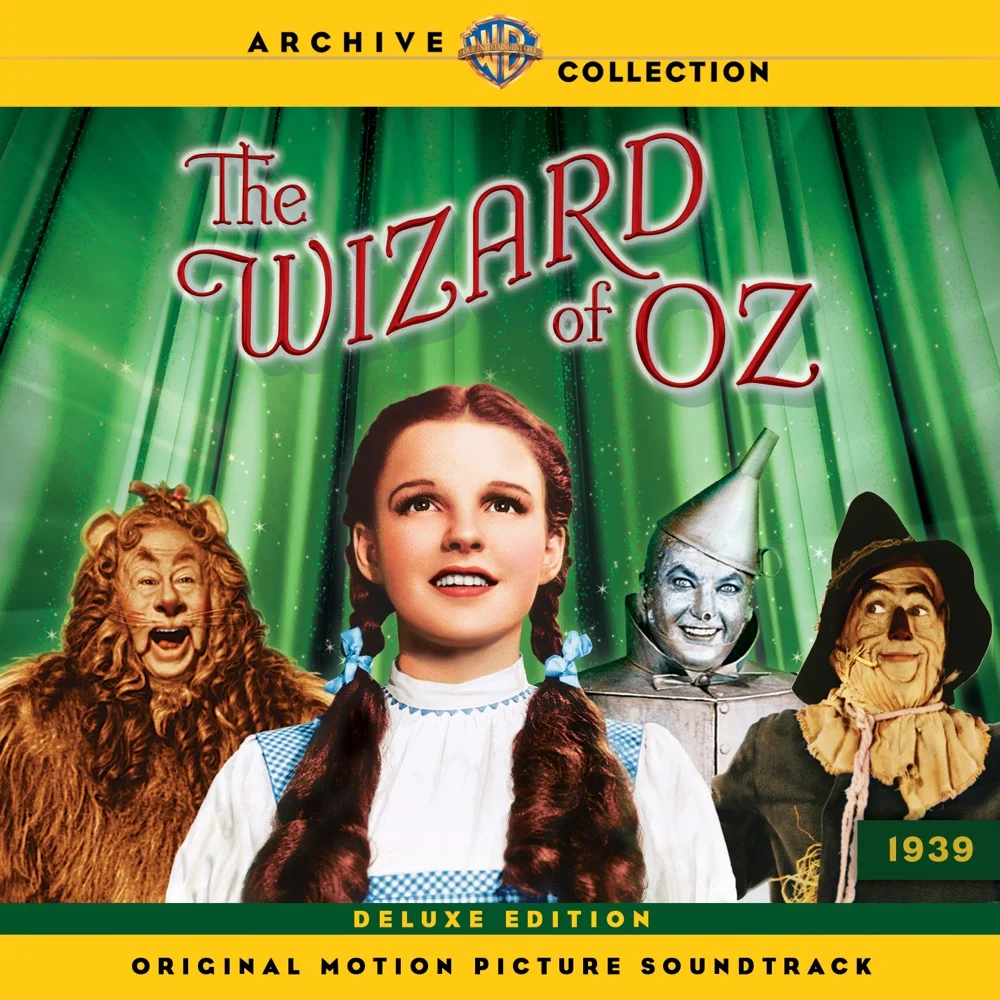
"Over the Rainbow" is widely considered the greatest movie song of all time. Composed by Harold Arlen with lyrics by E.Y. Harburg for The Wizard of Oz (1939), it is a masterclass in melody and interval training. While it seems simple, the song demands excellent breath support and the ability to navigate a wide vocal range smoothly.
Judy Garland's performance is iconic for its innocence and yearning tone. To sing this well, you must master the "legato" line—connecting notes smoothly without choppy breaks—while handling the large interval jumps that define the melody.
Phase 1: The Intro & The Jump (0:00 - 1:10)
The song is written in AAAA form (before the bridge). The challenge is consistency. Every time you sing "Somewhere," you must execute that octave leap perfectly.
The Trap: On the high notes of "way up high" and "birds fly," singers often pinch their throat. To fix this, modify the vowel sound. Instead of a tight "ee" or "eye" sound, think of a more open "Ah" shape behind the vowel. This drops the larynx and keeps the tone warm.
Phase 2: The Bridge (1:10 - 1:45)
This section ("Someday I'll wish upon a star...") is the "patter" section. The rhythm speeds up, and the melody becomes more conversational.
- Breath Control: The phrases are long. Take a deep, low breath before "Someday" so you don't run out of air before "far behind me."
- Dynamics: Pull back the volume here. It should feel intimate, like a whispered secret, contrasting with the soaring A sections.
Phase 3: The Climax (1:45 - End)
The song returns to the main melody but leads to the emotional peak: "Why, oh why, can't I?".
This is the highest part of the song (touching F5 in some variations, or sustained Eb5). You need a bright, forward-placed resonance. If you yell this in chest voice, it will sound harsh. Use your "mix" voice—blending chest power with head voice lightness—to float up to these notes with Judy's signature shimmering vibrato.