 Singing Coach AI
Mastering the Darker Side of Rock
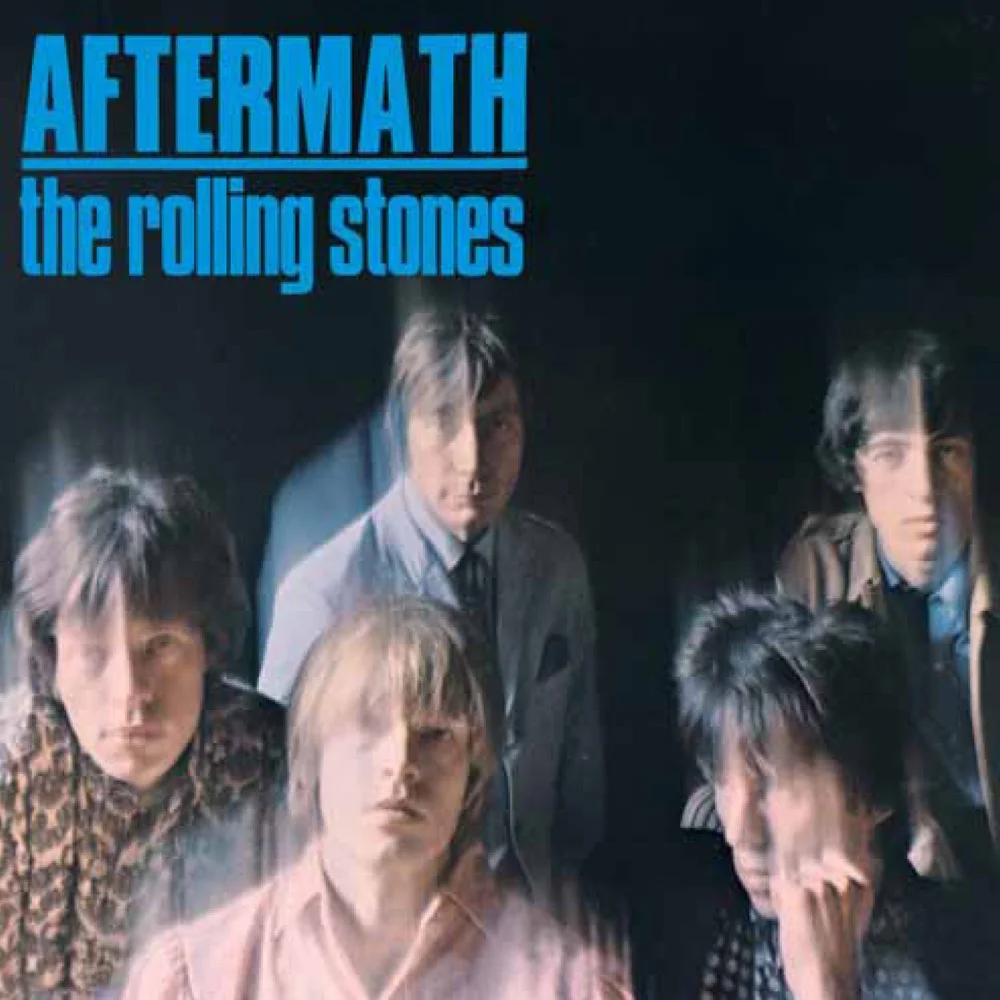
Released in 1966 on the album Aftermath, "Paint It Black" is a defining track of the psychedelic rock era. Famous for its driving drum beat and Brian Jones' haunting sitar riff, the vocal performance by Mick Jagger is a lesson in controlled intensity. It isn't about hitting high notes; it's about projecting mood and aggression.
The song stays relatively low in the chest register (F3 to F4), making it accessible for Baritones and lower Tenors. However, the challenge lies in the stamina required to maintain the "gritty" tone without straining your throat.
Phase 1: The Verses (Monotone Tension)
The song begins in F Minor. The opening lines ("I see a red door and I want it painted black") are delivered in a near-monotone fashion. This is deliberate. Jagger sings with a "closed" sound here, almost mumbling, to reflect the depressive lyrics.
The Trap: Many singers go flat here because they relax too much. Keep your breath support active even when singing quietly to ensure the pitch stays centered.
Phase 2: The Chorus (The Explosion)
When the line "I see the girls walk by..." hits, the energy shifts. You need to open your mouth wider and increase vocal volume. This section sits higher in the chest voice.
- Articulation: Bite into the words. The 'T's and 'K's in "Painted Black" should be percussive.
- Vowel Modification: On higher notes near F4, modify the vowel "Black" slightly towards "Bh-lack" (dropping the jaw) to avoid a nasal sound.
Phase 3: The Outro (Rhythmic Phrasing)
The end of the song features the iconic "Hmm hmm hmm" humming section overlaid with ad-libs. This is an endurance test. The drums double in speed, and your vocals must lock in with that rhythm. Focus on short, punchy breaths between phrases to keep up with the tempo.