 Singing Coach AI
The Masterclass in Dynamic Storytelling
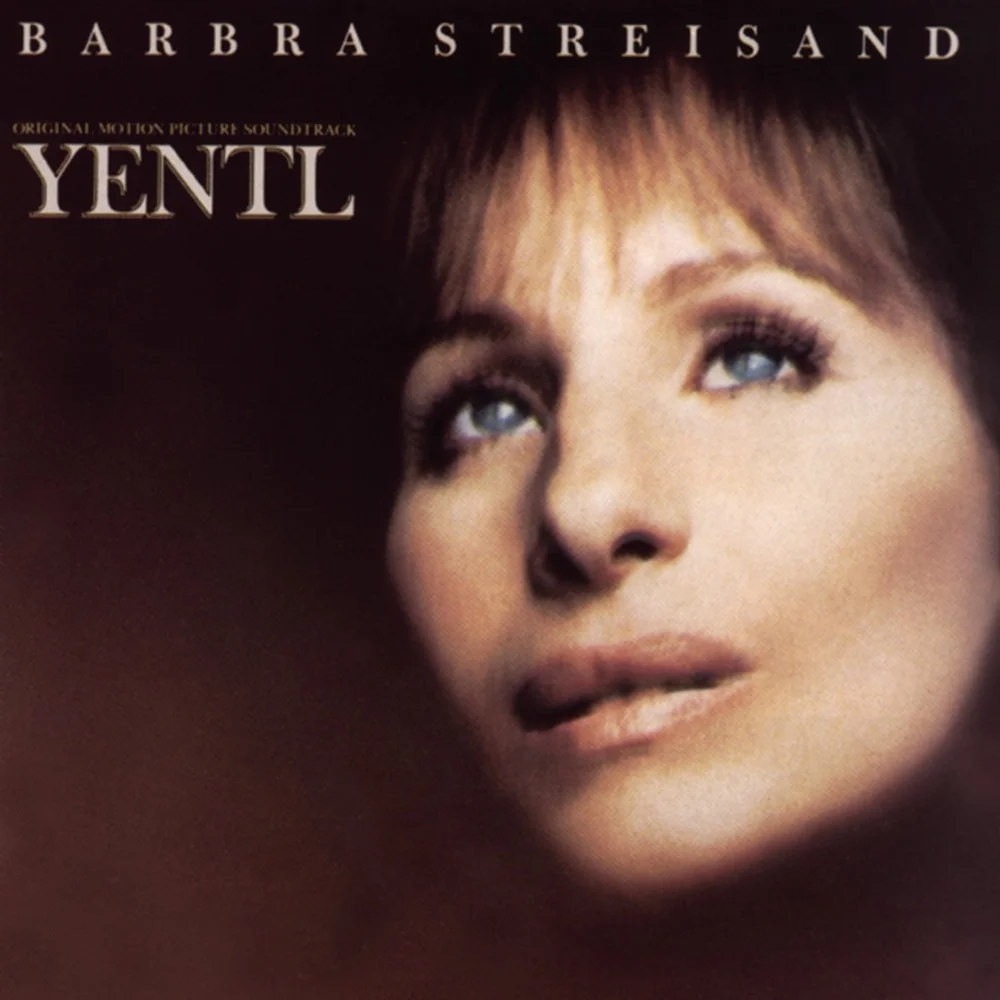
"Papa Can You Hear Me?" is the emotional core of the 1983 film Yentl. Written by Michel Legrand with lyrics by Alan and Marilyn Bergman, this song functions as a prayer. It is not just about hitting the notes; it requires the singer to convey a deeply personal, almost desperate conversation with the divine (and a lost father).
To sing this well, you must master the art of the slow build. Streisand starts with an intimate, conversational tone and grows into a powerful, resonant belt. Let's break down exactly how to navigate this emotional journey.
Phase 1: The Prayer (Intro - 1:15)
The song begins in a lower register (around F3/G3). The delivery here should be sotto voce—quiet, yet supported. You are whispering to God.
The Trap: Many singers lose pitch accuracy when singing quietly. Maintain a firm diaphragm connection even at low volumes to keep the pitch centered. Focus on the consonants to bring out the lyrics.
Phase 2: The Ascension (1:15 - 2:30)
As the lyrics move to "Forgive me," the melody begins to climb. This is the transition zone. You need to mix your chest and head voice here.
- Vowel Shaping: As you go higher, modify your vowels to be taller (drop the jaw). This creates the signature "Streisand sound."
- Dynamics: Gradually increase volume. Do not jump to forte too early; save it for the climax.
Phase 3: The Climax (2:30 - End)
The final section features the iconic sustained notes. The line "Papa, can you hear me?" reaches up to a belted E♭5. This requires courage and technique.
To hit this without strain, keep your larynx neutral. Do not reach up for the note; think of grounding yourself into the floor. Use a slightly wider vibrato at the tail end of the sustained notes to add emotional weight.