 Singing Coach AI
The Ultimate Baritone Anthem
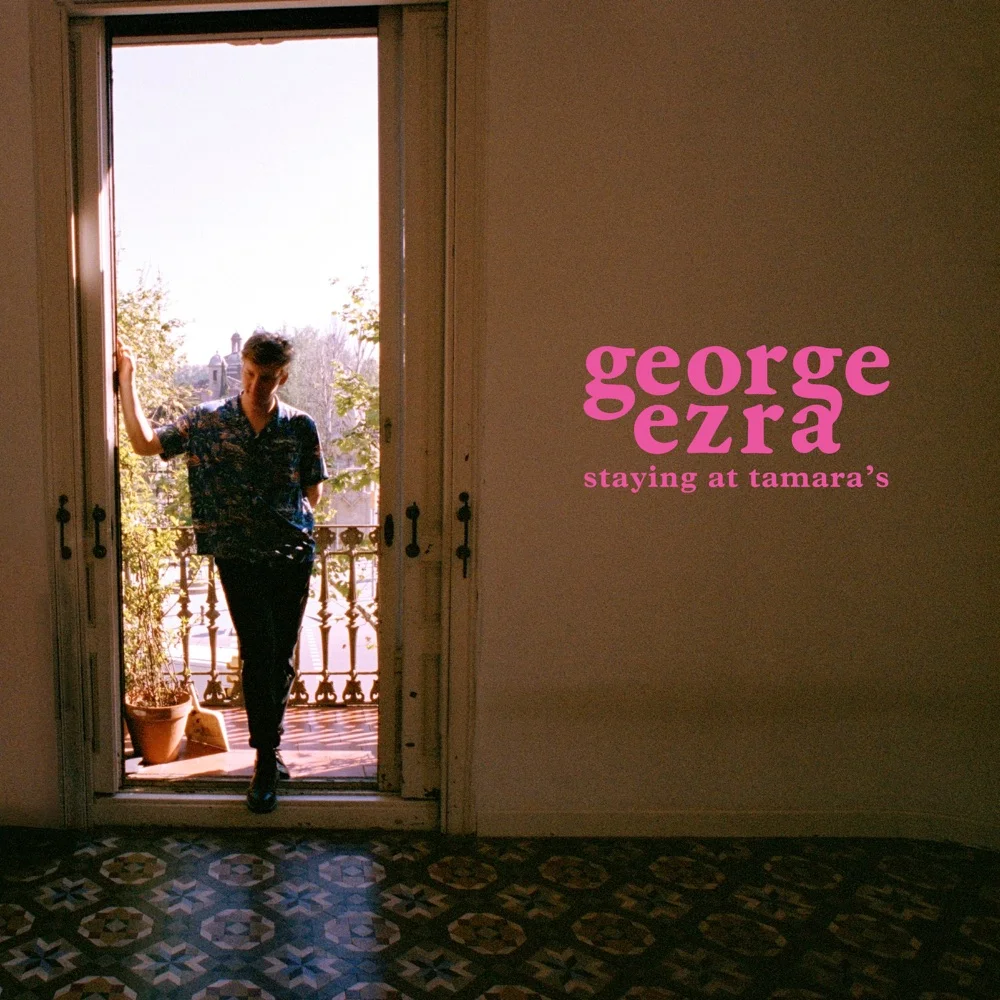
George Ezra's Paradise is a high-energy folk-rock track from his second album, Staying at Tamara's. Unlike many pop songs that live in the tenor stratosphere, this song sits comfortably in the low-to-mid range, making it perfect for Baritones and Basses who want to show off their resonance and rhythmic agility.
The main challenge of this song isn't hitting high notes—it's diction, breath control, and maintaining a solid tone in the lower register while keeping up with the driving tempo. Let's break down how to nail it.
Phase 1: The Verses (Rhythmic Diction)
The song starts with a fast-paced narrative: "My love, my love, my love, my love..." sung over a driving beat. The key here is crisp consonants.
The Trap: It's easy to slur words together when the lyrics move this fast. Practice the line "I know you've heard it all before" slowly to ensure every T and D is audible. Keep your jaw relaxed; if you tense up, you'll fall behind the beat.
Phase 2: The Pre-Chorus Build
The section "Roll on, roll on, ride on, ride on" is the emotional ramp-up. You are building tension here. Start at a moderate volume and increase intensity with each repetition.
- Breath Control: Take a deep, low breath before this section starts. You need sustained airflow to drive the repeated phrases without gasping.
- Pitch: Be careful not to go flat on the "Ride on" section as you push for more volume.
Phase 3: The Chorus ("If it feels like Paradise...")
This is the release. The melody lifts slightly, but stays well within a chest-voice belt range (up to E4). The vowel sounds are open ("Running," "Paradise"), which invites a louder, more cheering tone.
To get that George Ezra sound, drop your jaw vertically. This creates more space in the vocal tract, adding warmth and depth to your tone without needing to force the sound from your throat.