 Singing Coach AI
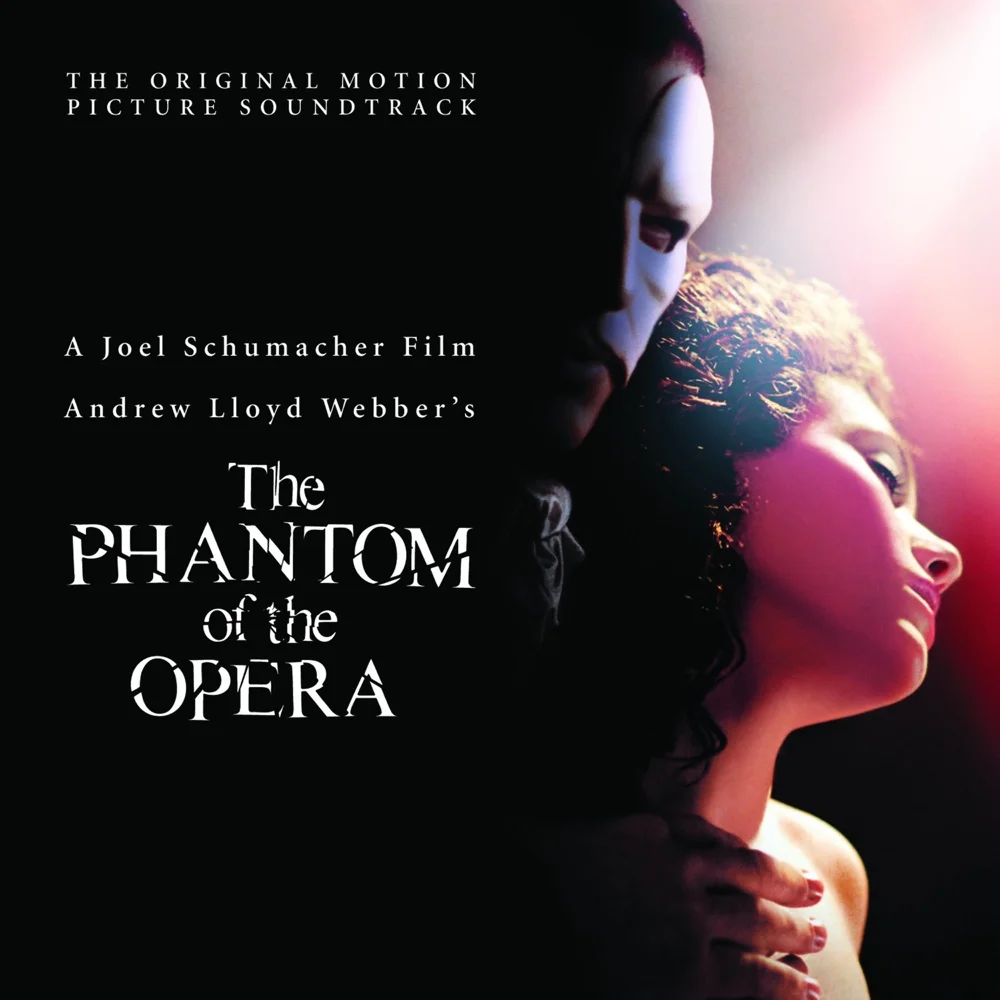
The Ultimate Test of Vocal Chemistry
"Past the Point of No Return" serves as the fiery climax of The Phantom of the Opera. Set within the fictional opera Don Juan Triumphant, this song is a masterclass in tension, release, and character acting. It is far more than just hitting notes; it requires a deep understanding of dynamics and phrasing.
Whether you are singing the part of the Phantom (Tenor/Baritone) or Christine (Soprano), the challenge lies in the chromatic melody lines that mimic the exotic, hypnotic nature of the scene. Let's break down the vocal strategy.
Phase 1: The Seduction (Phantom)
The Phantom begins in a lower, conversational register. The key of F minor provides a dark, brooding foundation. Lines like "No backward glances" must be sung with a warm, chest-dominant resonance.
The Trap: Do not go too heavy too soon. If you push the volume in the first verse, you will have nowhere to go dynamically when the song builds. Keep it simmering.
Phase 2: The Surrender (Christine)
Christine enters with "I have come here," mirroring the Phantom's melody but an octave higher. The tone here should be pure and bell-like, yet filled with hesitation. The transition from chest voice to head voice needs to be seamless.
The phrase "consumming us" features a tricky interval jump. Ensure your soft palate is raised to allow the sound to resonate fully in the head voice without pinching.
Phase 3: The Climax (Harmony)
As the two voices join, the complexity increases. The Phantom moves into his upper register (hitting notes around G#4) while Christine soars to a G5. The orchestration swells, and you must use full diaphragm support to be heard over the music without straining the throat.
The final section requires intense focus on intonation. The harmonies are tight and dissonant before resolving. Trust your ear training and lock into the other singer's pitch.