 Singing Coach AI
A Lesson in Character and Charm
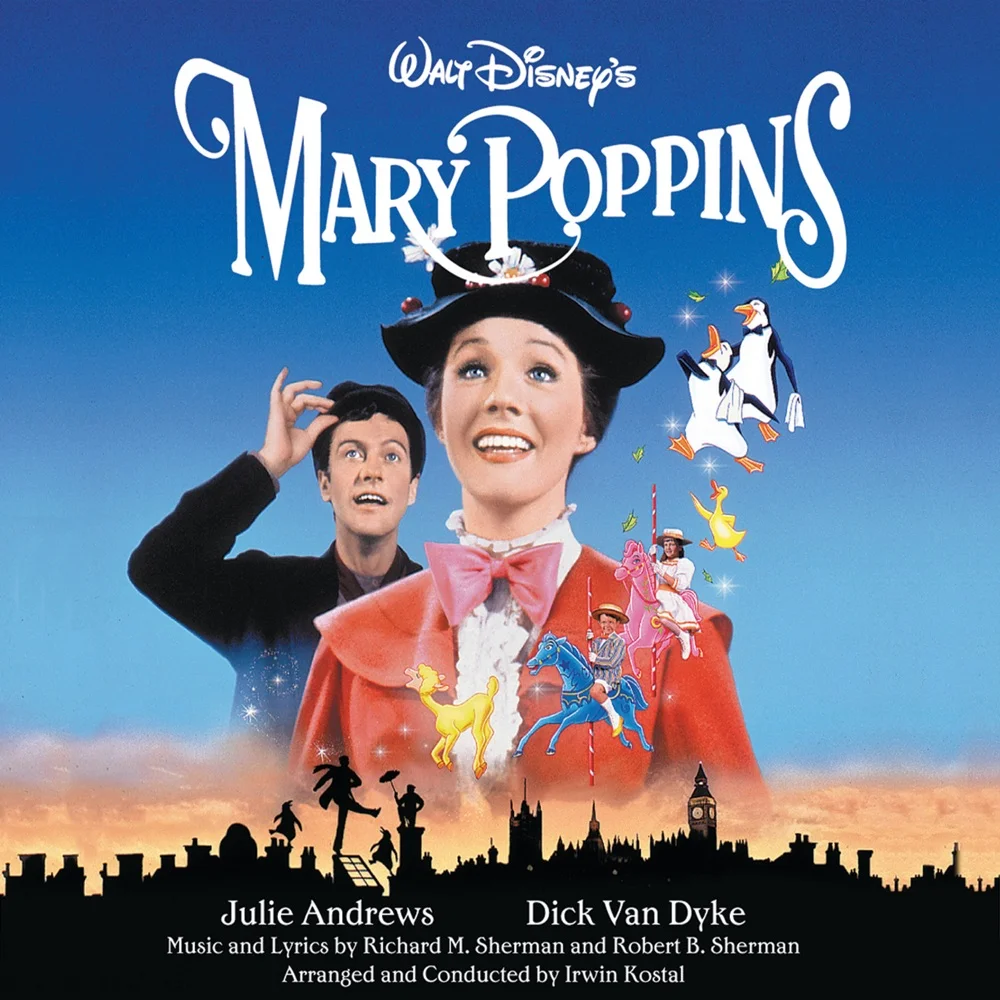
Pavement Artist is more than just a song; it is a masterclass in musical theatre character work. As the introduction to the lovable character of Bert (Dick Van Dyke) in Disney's Mary Poppins, the vocal performance requires you to prioritize storytelling and personality over perfect belting technique.
Unlike power ballads, this song sits comfortably in a speaking range, often utilizing "Sprechstimme" (talk-singing). The challenge lies in maintaining the rhythmic bounce of the waltz while navigating the infamous Cockney accent without becoming unintelligible.
Phase 1: The Screever's Intro (0:00 - 0:45)
The song begins with the iconic "Chim chiminey" motif. You are introducing yourself as a "screever" (an artist of highest degree). The volume here should be conversational, as if you are speaking directly to a passerby on the street.
The Trap: Many singers try to sing this too "legato" (smoothly). It should have a slight bounce to match the rhythm. Keep your consonants crisp, especially on "highest degree" and "it's all me own work."
Phase 2: The Accent & Diction
Dick Van Dyke's accent in this film is legendary for its exaggeration. To emulate the style for a high score, you need to modify your vowels.
- Dropped 'H's: Words like "highest" and "humble" should have the 'H' dropped or very softened ('ighest, 'umble).
- Broad Vowels: Open up the vowels on words like "artist" and "glass" to sound broader and darker.
- Glottal Stops: Use glottal stops for 'T' sounds in the middle of words where appropriate for the dialect, but ensure the pitch detector can still register the note.
Phase 3: The Reprise & Character
As the song progresses, Bert describes his art. The line "I draws what I likes, and I likes what I drew" captures the essence of his philosophy. Focus on stressing the verbs to emphasize his pride in his work.
This is not a song about vocal gymnastics; it is about charm. Keep your chest voice light and heady. Avoid pushing too hard, or you will lose the playful, whimsical quality that makes the song work.