 Singing Coach AI
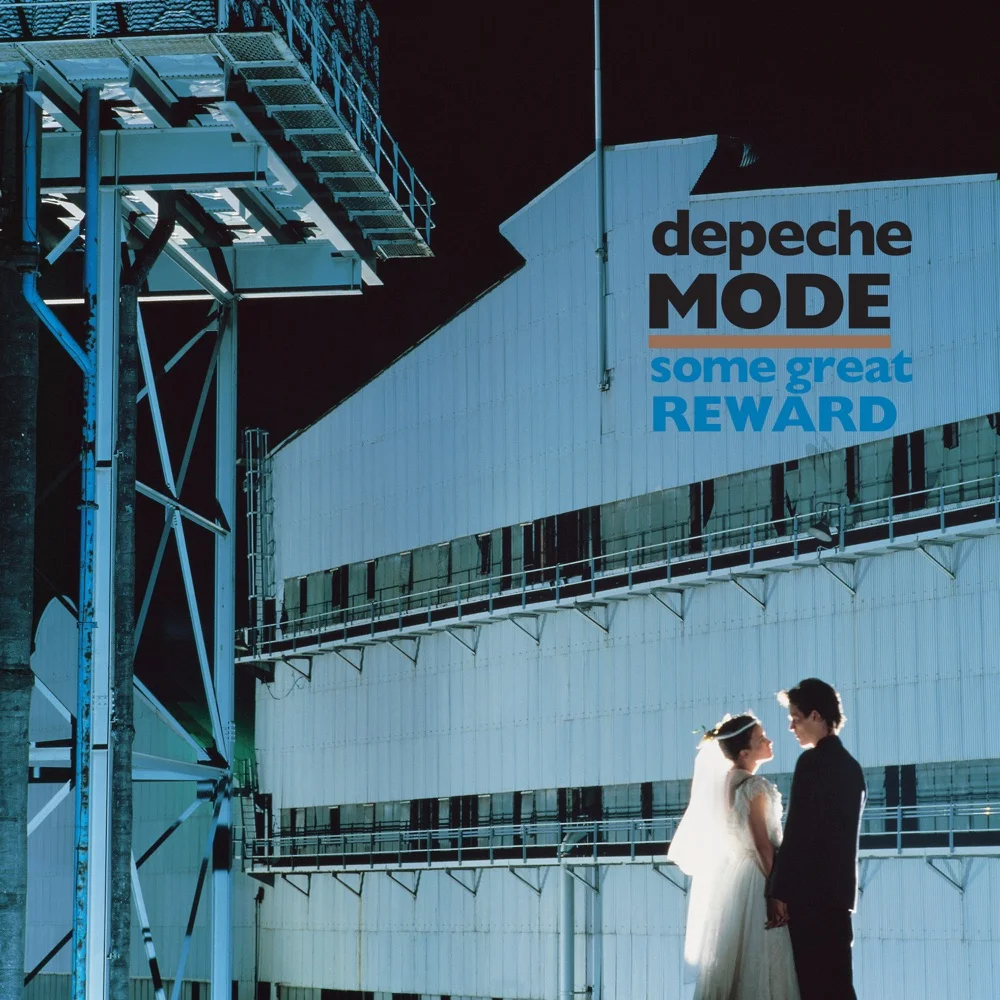
The Anthem of Industrial Pop
Released in 1984 on the album Some Great Reward, "People Are People" was Depeche Mode's first major hit in the US. It combines a driving, mechanical industrial beat with a plea for human tolerance. For a vocalist, the challenge lies in balancing the robotic, staccato delivery of the verses with the soulful, sustained power of the chorus.
Dave Gahan's vocals here are quintessential baritone: rich, low, and commanding. Unlike rock ballads that rely on high belts, this song requires control in the lower register and precise rhythmic timing.
Phase 1: The Mechanical Verses
The song starts with a distinct percussion loop. When the vocals enter ("I can't understand..."), you need to lock in with that grid. The melody sits low (around Bb2/C3), which can be tricky for Tenors to project.
Technique: Use chest resonance. Place your hand on your sternum; you should feel it vibrate. Keep the phrasing short and punchy to match the synthesizer stabs.
Phase 2: The Chorus (The Belt)
The energy lifts significantly here. "People are people so why should it be..." moves higher in the range (up to F4/G4). This isn't a scream; it's a plea.
- Breath Support: Engage your diaphragm before the line starts. You have a lot of words to fit in a short musical phrase.
- Vowel Modification: On the word "People," try not to squeeze the 'ee' sound too tight. drop your jaw slightly to round it out, or it will sound thin and nasal.
Phase 3: The Middle Eight
The bridge offers a moment of contrast. The instrumentation strips back slightly, allowing for a more emotive delivery. This is where you can relax the "robotic" persona slightly and add a bit more vibrato to the sustained notes before the final choruses kick back in.