 Singing Coach AI
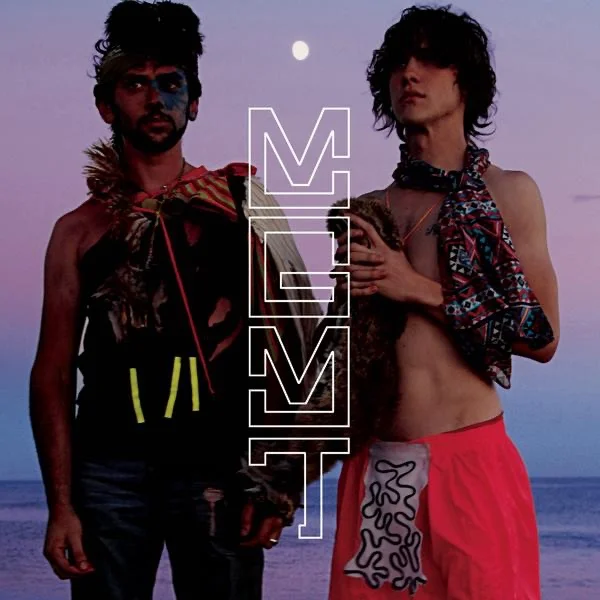
A Psychedelic Folk Gem
"Pieces of What" appears on MGMT's debut studio album, Oracular Spectacular (2007). Unlike the synth-heavy hits "Kids" and "Time to Pretend," this track showcases Andrew VanWyngarden's ability to carry a song with acoustic guitar and a stripped-back vocal performance.
The challenge here isn't range—it's nuance. The vocals are dry, present, and require a storyteller's cadence. You need to balance the folk aesthetic with pitch accuracy, ensuring the relaxed vibe doesn't turn into flat singing. Let's break down the vocal strategy.
Phase 1: The Verses (0:00 - 0:45)
The song starts in E Major. The opening lines ("Moonlight on the horizon") sit comfortably in the mid-range. The delivery should be conversational. Think of this less as "singing" and more as melodic speaking.
The Trap: Because the guitar strumming is constant, singers often rush. Stay in the pocket. Practice singing slightly behind the beat to achieve that laid-back MGMT feel without dragging the tempo.
Phase 2: The Chorus Lift (0:45 - 1:15)
The hook "Pieces of what" introduces a melodic interval jump that tests your pitch control. While not incredibly high, it requires a shift in resonance.
- Pieces of what: This line ascends to the upper chest register. Keep your larynx neutral.
- No one was ever there: This descending line requires good breath support to maintain volume until the end of the phrase.
- Tone Color: Avoid a bright, "pop" sound. Aim for a warmer, earthier tone characteristic of psychedelic folk.
Phase 3: The Bridge & Dynamics (1:45 - End)
As the song progresses, the intensity builds slightly, but it never explodes into a full rock belt. The key is maintaining consistent volume (dynamics) while the instrumentation swells around you.
To master the ending, focus on the sustain of the final notes. Let them fade naturally with the guitar chords rather than cutting them off abruptly.