 Singing Coach AI
Mastering the R&B Ballad
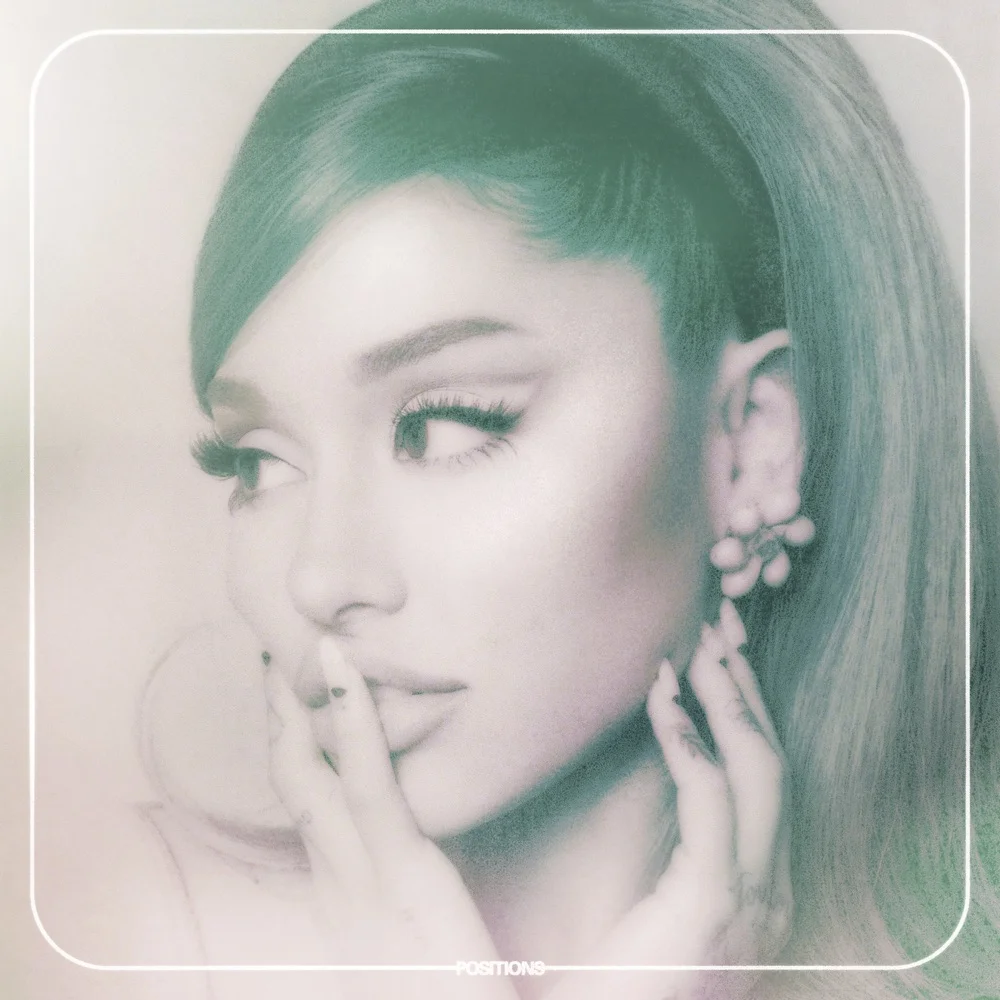
"POV" is one of the standout tracks from Ariana Grande's album Positions. Unlike high-energy pop anthems, this song relies heavily on emotional nuance, texture, and agility (melisma). It follows a standard verse-chorus structure but demands excellent breath support to maintain the smooth, connected legato lines.
To sing this well, you need to balance a fragile, airy tone in the verses with a resonant, focused mix in the chorus. It is not about raw power; it is about placement and control. Let's break down the techniques required.
Phase 1: The Verses (Breathy Tone)
The song starts in the lower range (G3). The line "It's like you got superpowers" should be sung with a "breathy onset." This means allowing a small amount of air to escape before the vocal cords fully close.
The Trap: Being too breathy can dry out your cords. Think of it as a stage whisper—projected, but soft. Support the sound from your diaphragm so you don't run out of air before the end of the phrase.
Phase 2: The Pre-Chorus Climb
As you sing "I wanna love me (ooh)," the melody climbs. You must transition from that airy chest voice into a cleaner, more solid mix. If you carry too much weight up here, you will strain.
- The Vowels: Modify your vowels to be narrower. Turn "Love" into "Luh-v" to help keep the larynx neutral.
- Dynamics: Start softer and gradually increase volume to build anticipation for the chorus.
Phase 3: The Chorus Belt & Ad-libs
The chorus ("I'd love to see me from your point of view") sits right in the passaggio (bridge) for many singers. The goal is a bright, forward placement (mask resonance).
The outro contains complex runs (melisma) on the pentatonic scale. These rapid notes require flexible vocal cords. Practice these slowly on a "Nu" or "Mum" sound before adding the lyrics back in. Precision is key here—don't just slide between notes; articulate them.