 Singing Coach AI
The Anthem of Swamp Rock
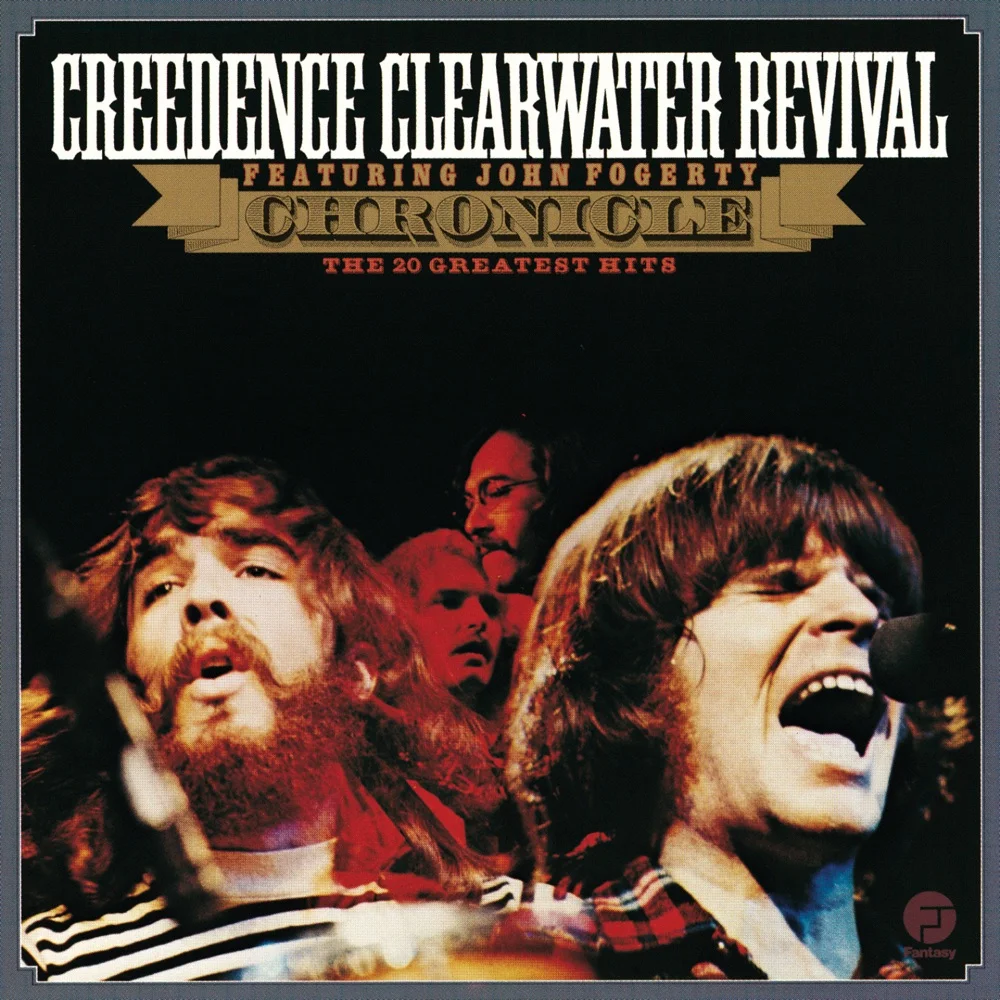
Proud Mary is the defining song of Creedence Clearwater Revival. Written by John Fogerty after receiving his discharge papers from the Army, it combines the rhythm of a paddle steamer with the soul of the bayou. It was released on the 1969 album Bayou Country and remains a staple of rock radio.
While the notes aren't as high as some rock ballads, the challenge lies in the attitude and the stamina. You need to maintain a strong, gritty chest voice without fatiguing your vocal cords. Let's break it down.
Phase 1: The Narrative Verse (0:00 - 0:48)
The song starts in D Major. The opening lines ("Left a good job in the city") sit in a comfortable speaking range for Baritones and Tenors. The key here is articulation.
The Trap: Don't make it sound too "pretty" or classical. Fogerty uses colloquial pronunciation ("workin' for the man ev'ry night and day"). Keep your jaw relaxed and let the words flow naturally, almost like you are telling a story to a friend.
Phase 2: The Pre-Chorus Climb
As you hit "Cleaned a lot of plates in Memphis," the melody begins to climb. You need to start engaging your diaphragm support here. By the time you reach "But I never saw the good side of the city," your volume should be increasing to match the building energy of the band.
Phase 3: The Chorus Power (0:48 - 1:04)
The iconic hook: "Big wheel keep on turnin', Proud Mary keep on burnin'." This requires a full chest belt. The notes hover around D4 and E4, peaking at G4.
To get that signature CCR grit, do not just push air harder—that will hurt your throat. Instead, try adding "twang" (narrowing the epiglottic funnel). This brightens your sound and allows you to cut through the guitars without straining. The "Rollin'" repetition is an endurance test; take a quick, deep breath before the phrase starts.