 Singing Coach AI
Mastering the "Demon of Screamin'" Style
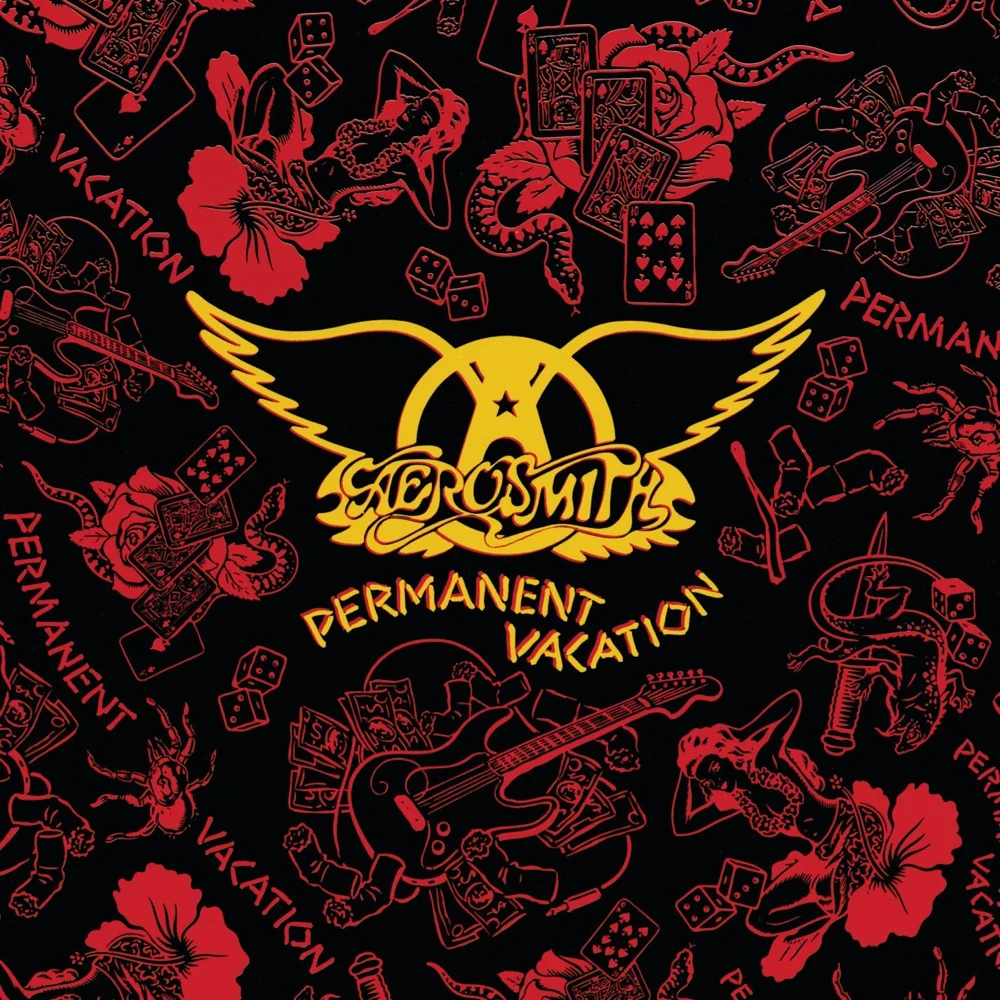
"Rag Doll" is a quintessential blues-rock track from Aerosmith's 1987 album Permanent Vacation. While the melody itself is catchy, the difficulty lies in Steven Tyler's unique delivery: a blend of high-speed scatting, syncopated blues phrasing, and high-register belting with gritty distortion.
To sing this song effectively, you need more than just pitch accuracy; you need attitude. However, achieving that "dirty" rock sound without damaging your vocal cords requires precise technique. Let's break it down.
Phase 1: The Scat Intro (0:00 - 0:25)
The song opens with Tyler's famous "Shoo-ba-do-wop" scat. This is all about diction and percussion. Treat your voice like a drum kit here.
The Trap: Slurring the consonants. You need crisp 'B's and 'D's to make the rhythm pop. Keep the volume controlled—save your air for the big notes later.
Phase 2: The Bluesy Verse (0:25 - 1:15)
The verse sits in a comfortable mid-range for Tenors, but the challenge is the tone. Tyler uses a "lazy" jaw to create a rounded, bluesy resonance, but keeps his tongue forward.
- Sliding: Use portamento (sliding) between notes to mimic a slide guitar.
- Grit: Add vocal fry at the beginning of phrases for texture, but release into a clean tone for sustained notes to avoid fatigue.
Phase 3: The Chorus Belt (1:15 - 1:45)
Here comes the energy. The line "Livin' inside a jar" jumps up to a B4/C#5. This requires a strong mix voice.
To hit these high notes with grit, engage your abdominal support firmly and use "twang" (narrowing the epiglottis). Do not push harder from your throat to get the distortion; that will lead to blowout. Think of the sound directed towards your nose (mask resonance) rather than your chest.