 Singing Coach AI
Mastering the "Indie Rock" Groove
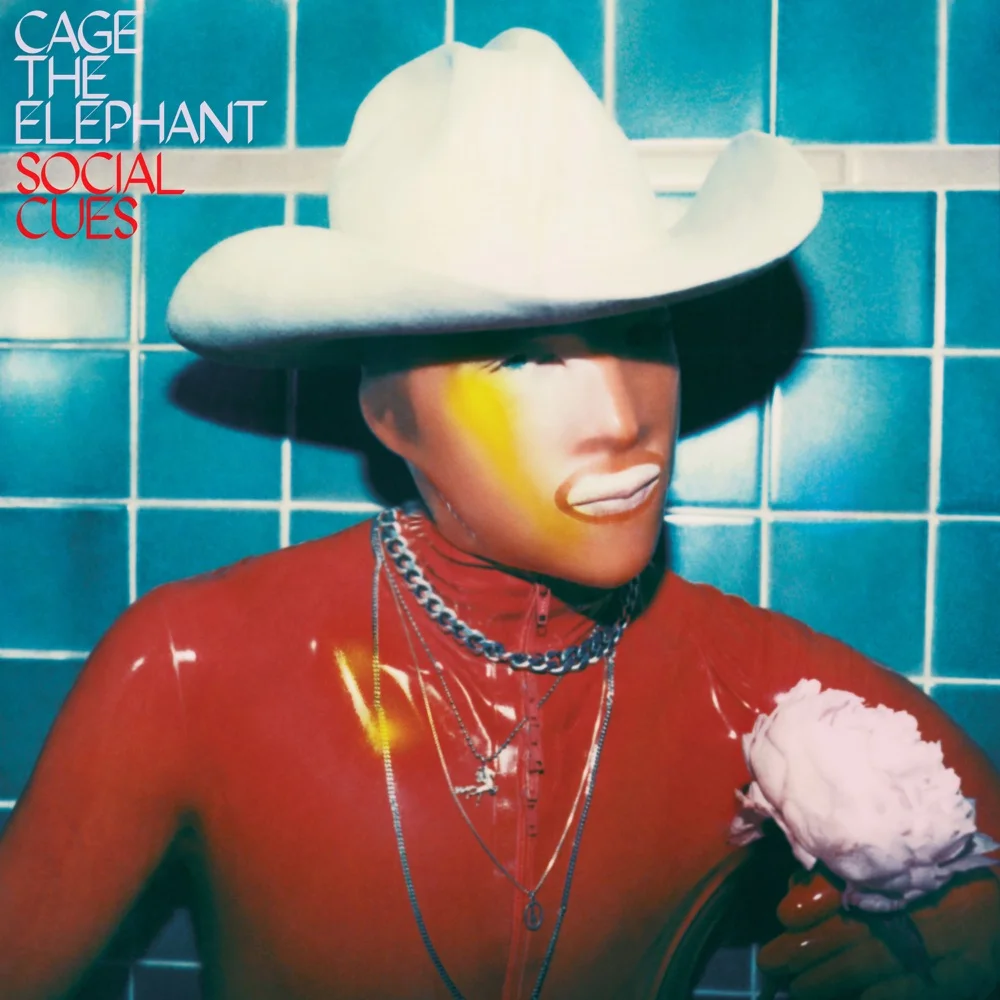
Released as a single from the Grammy-winning album Social Cues, "Ready to Let Go" by Cage the Elephant is a masterclass in vocal texture and rhythm. Unlike power ballads that rely on holding long, high notes, this song requires a cool, almost detached delivery that sits deep in the pocket of the beat.
Matt Shultz’s performance here is all about the switch between the conversational verses and the slightly more urgent, melodic chorus. To score high, you need to stop thinking like an opera singer and start thinking like a percussion instrument.
Phase 1: The Verses (Spoken Cadence)
The song opens with a distinct rhythmic pattern. The range here is low and comfortable for most Baritones. The challenge is the "staccato" delivery.
The Technique: Keep your jaw relaxed and your articulation minimal. You don't want perfect enunciation; you want "slurred precision." Think of it as reciting poetry over a beat rather than singing a melody line. Keep the volume consistent and low.
Phase 2: The Pre-Chorus Tension
As the song builds, you need to add a bit of vocal fry or "grit" to your voice. This doesn't mean shouting; it means compressing the vocal cords slightly to create a buzz. This signals to the listener that the energy is shifting before the release of the chorus.
Phase 3: The Chorus (The Release)
When the line "I'm ready to let go" drops, the vocal style changes completely. This is the melodic hook of the track.
- Legato Phrasing: Connect the words smoothly. Unlike the verse, there should be no gaps between the notes here.
- Pitch Accuracy: The melody centers around C#4 and F#4. Ensure you hit these pitches squarely in the center, as the instrumentation is sparse and flat notes will stand out.
- Emotion: The lyrics are about a breakup and dissolution. The tone should be melancholic but resolved.