 Singing Coach AI
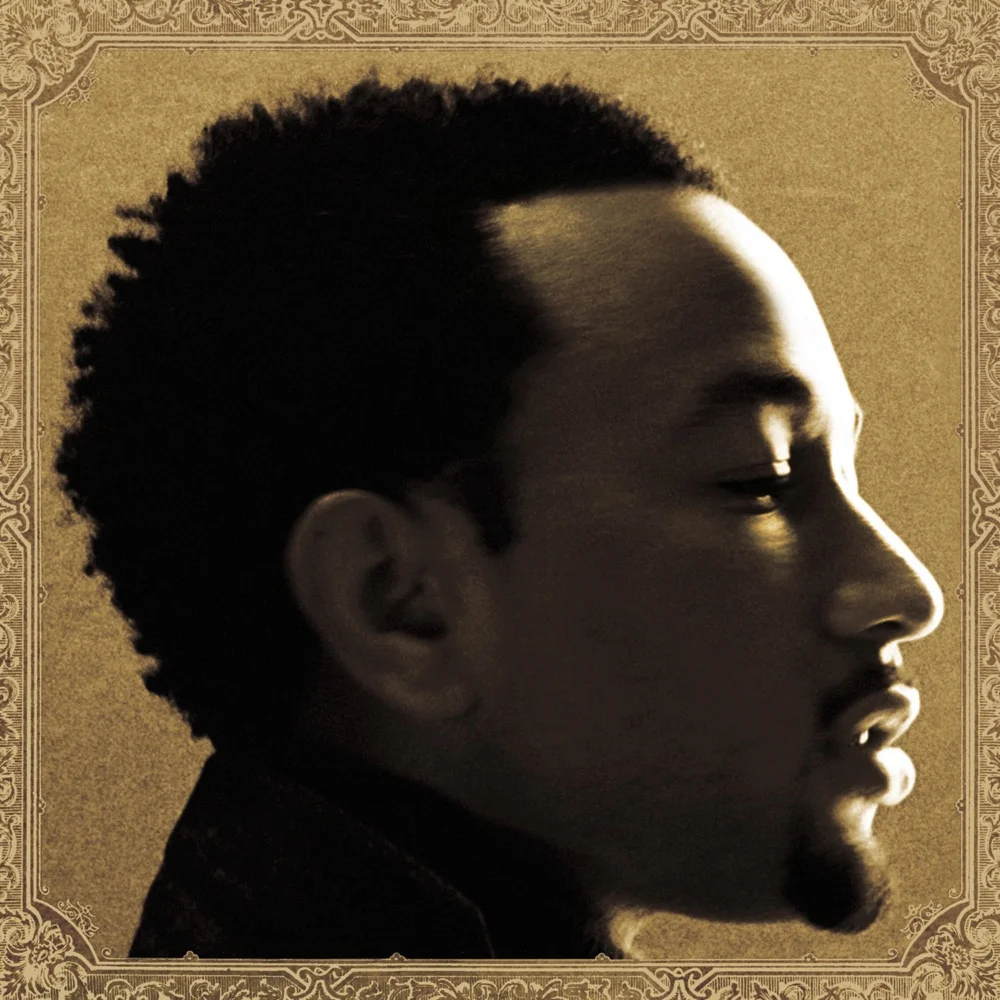
A Masterclass in Soulful Dynamics
"Refuge (When It’s Cold Outside)" stands as one of John Legend's most emotionally resonant tracks from his debut album *Get Lifted*. Unlike a powerhouse pop anthem, this song demands subtlety, warmth, and a creamy tone. It is a slow-burn R&B ballad that tests a singer's ability to maintain pitch accuracy while delivering a convincing emotional narrative.
To sing this well, you cannot force the notes. You need to channel a "conversational" tone in the verses and gradually build intensity into the chorus without straining your throat. Let's break down the technique.
Phase 1: The Verses (Low & Warm)
The song begins in a comfortable range for most Tenors. The key here is chest resonance. When singing lines like "I know it's hard," focus on feeling the vibration in your sternum. Keep the volume at a *mezzo-piano*.
The Trap: Many singers lose breath support when singing quietly. Engage your diaphragm even on the soft notes to ensure the pitch doesn't go flat.
Phase 2: The Chorus (The Lift)
As you move into "I'll be your refuge," the melody lifts. You want to use a "mixed voice" here. If you pull your heavy chest voice up too high, you will sound like you are shouting. Instead, imagine the sound placement moving forward to the mask of your face.
Keep the phrasing smooth (legato). Connect every word to the next, like a continuous stream of sound.
Phase 3: The Bridge & Ad-Libs
This is the climax where the R&B runs come into play. John Legend is a master of the pentatonic scale. When he riffs on "When it's cold outside," he is often moving quickly between notes.
To practice runs:
1. Slow the track down in the app.
2. Sing the run on a "v" or "z" sound to ensure consistent airflow.
3. Once the pitch is accurate, switch back to lyrics.