 Singing Coach AI
The Anthem of Garage Rock Revival
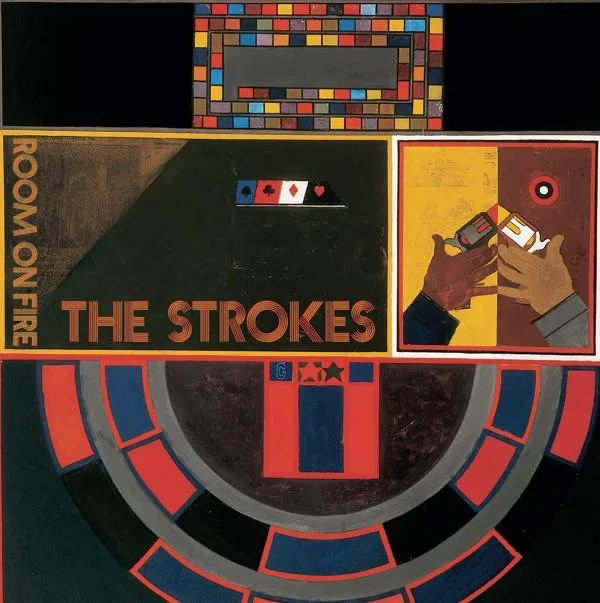
Released on the 2003 album Room on Fire, "Reptilia" is a masterclass in dynamic tension. Julian Casablancas' vocal performance is iconic for its pivot from bored detachment to desperate aggression. It does not require operatic range, but it demands serious attitude and stamina.
The song is technically challenging because it sits in the passaggio (break area) for many singers during the chorus, and requires a specific tonal quality—often described as a "telephone voice" or "radio filter" sound—which you have to emulate with your own resonance.
Phase 1: The Monotone Verse (0:00 - 0:40)
The song starts with the bass and drums locking in. When the vocals enter ("He seemed impressed by the way you came in"), stick to a low chest voice around B2-D3.
The Trap: It is easy to go flat here because the melody is so repetitive. Keep the air support consistent even though the volume is low. You want to sound bored, not tired.
Phase 2: The Build-Up (0:40 - 1:17)
As the guitar intensity increases ("The room is on fire as she's fixing her hair"), you need to brighten your tone. You aren't shouting yet, but you are adding "twang." This cuts through the mix and prepares your throat for the chorus.
- Rhythm: The lyrics are dense here. Focus on landing on the beat with the snare drum.
- Breath: Take deep, low breaths between lines. You won't have time later.
Phase 3: The Explosive Chorus (1:17 - 1:50)
This is the release. The line "I said please don't slow me down" hits the top of the chest range (around F#4). Julian uses a technique called "vocal fry distortion" or compression to get that gritty sound without screaming.
Do not push raw air through your cords to get the distortion—that will cause damage. Instead, compress the air and project forward into the "mask" of your face. If your throat tickles or hurts, stop immediately and rest.