 Singing Coach AI
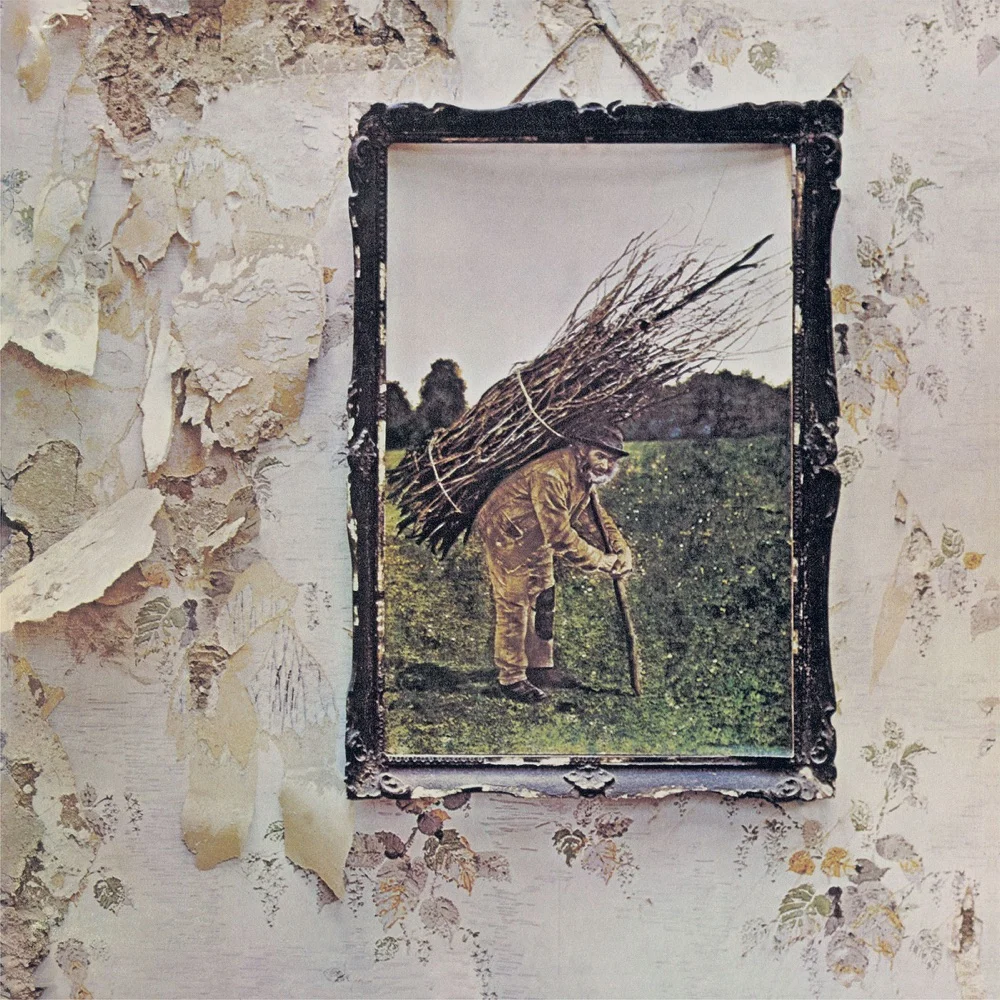
The Definitive Hard Rock Anthem
"Rock and Roll" is one of Led Zeppelin's most energetic tracks, appearing on their 1971 album commonly known as Led Zeppelin IV. Born from a spontaneous jam session with The Rolling Stones' pianist Ian Stewart, the song is a high-octane 12-bar blues in A Major that demands immense power from the vocalist.
To sing this like Robert Plant, you need to master the art of the high mix. Plant stays in the upper register (A4 to E5) for almost the entire song. It requires not just range, but the ability to maintain a gritty texture without shredding your vocal cords.
Phase 1: The Verse Entrance (0:08 - 0:45)
Following John Bonham's iconic drum intro, the vocals enter on "It's been a long time since I rock and rolled." The key here is attitude. You are singing mostly on A4 and C5 notes.
The Trap: Many singers start too clean. You need to attack the vowels with a forward placement. Think of biting into an apple as you sing to keep the sound bright and piercing, which cuts through the heavy guitars.
Phase 2: The Pre-Chorus Drive
As the song progresses to "Carry me back, carry me back," the energy must not dip. This section relies heavily on the blues scale. Practice sliding into notes from below to mimic Plant's bluesy style.
- Breath Control: The phrases are short and punchy. Take quick "sip" breaths between lines to maintain abdominal pressure.
- Vowel Modification: On high notes, modify your vowels. "Back" should sound more like "Beck" to keep the throat open on the A4/B4 notes.
Phase 3: The Outro Solo (3:15 - 3:40)
The finale, "Lonely, lonely, lonely, lonely time," is the ultimate endurance test. It sits right in the passaggio (bridge) for many tenors.
To survive this section, you must rely on your head voice resonance mixed with chest power. If you drag pure chest voice up this high, you will crack. Aim the sound towards the soft palate and use the "cry" vocal mode to thin out the folds while keeping the power.