 Singing Coach AI
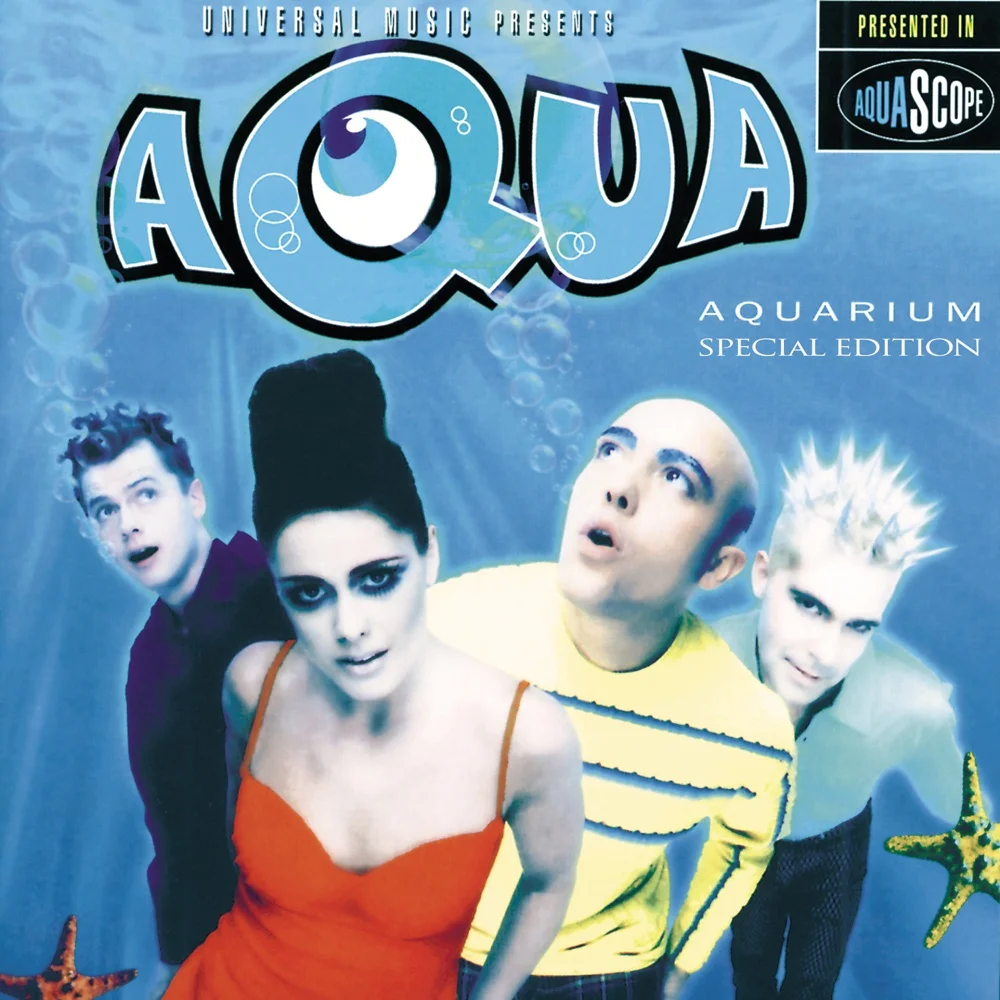
The Quintessential Eurodance Challenge
Released as the debut single from their album Aquarium, "Roses Are Red" established Aqua's signature sound: a high-energy contrast between Lene Nystrøm's innocent, high-pitched vocals and René Dif's raspy, low-pitched growls. While the melody seems simple, maintaining the "character voice" without vocal fatigue is the real challenge.
This track is less about wide octave jumps and more about tonal control and rhythmic precision. You are essentially playing a role when you sing this track.
Phase 1: Lene's Verses (The "Sweet" Voice)
The song opens with the iconic chorus hook. The key is in B Minor. For the verses ("A long, long time ago..."), the melody sits comfortably in the middle register, but the tone must be bright.
Technique: Smile while you sing. Widening the mouth horizontally brightens the formant frequencies, naturally giving you that "pop" sound without forcing it. The phrasing is legato (smooth), contrasting with the drums.
Phase 2: René's Parts (The "Beast" Voice)
René's sections ("Come pick my roses...") require a completely different approach. This is almost spoken word, but it must be pitched correctly around A2/B2.
- Resonance: Drop your jaw and feel the vibration in your chest.
- Rhythm: These lines act as percussion. You must be locked into the 120 BPM groove. If you drag, the song loses energy.
- Attitude: Use a "vocal fry" or growl at the start of phrases for style.
Phase 3: The Chorus
The lines "Roses are red, violets are blue" are repetitive and catchy. The highest note hits a D5. The difficulty here is breath control. The phrases come back-to-back with little room to breathe.
Plan your breaths. Take quick "snatch breaths" through your mouth between the call-and-response sections to ensure you don't run out of air before the phrase resolves.