 Singing Coach AI
Defining the "Swamp Rock" Sound
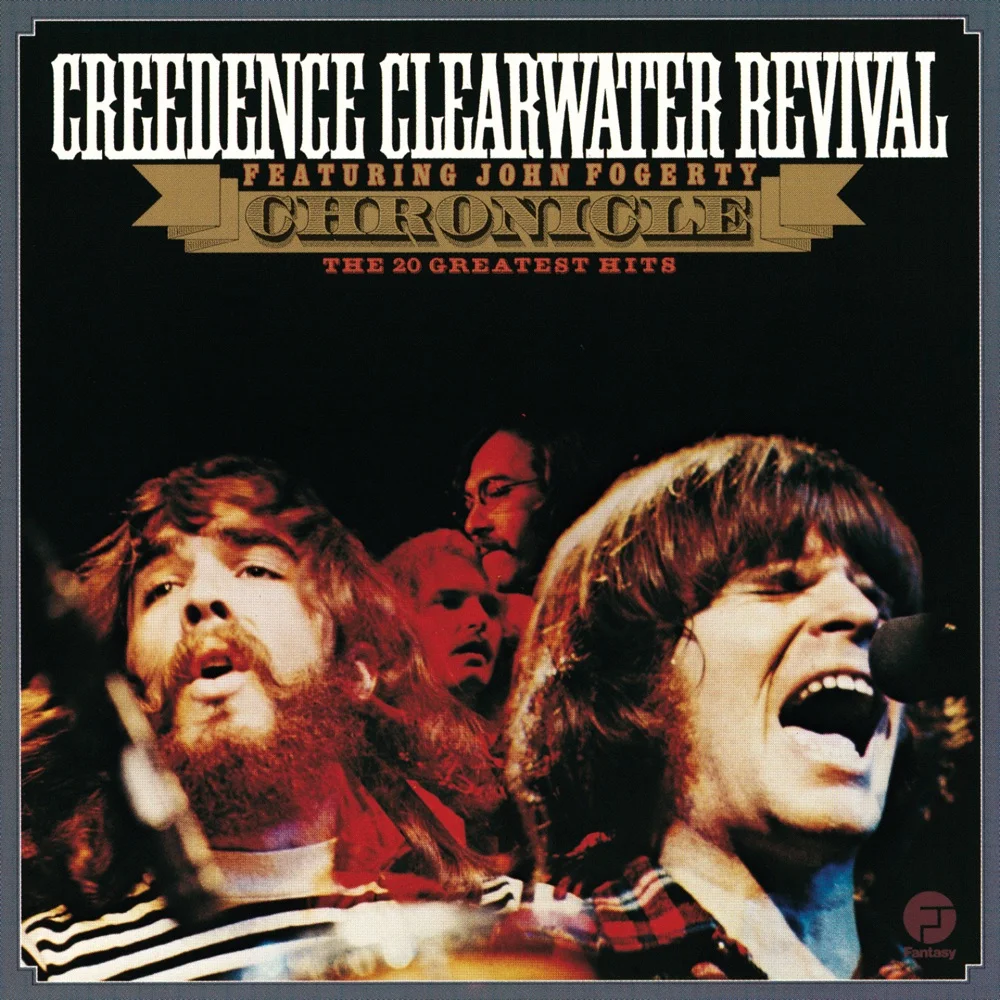
Run Through the Jungle is a masterclass in atmosphere and tension. Released on Creedence Clearwater Revival's 1970 album Cosmo's Factory, John Fogerty delivers a vocal performance that feels humid, dangerous, and urgent. While the notes aren't as acrobatic as opera, the challenge lies in the timbre and attitude.
To sing this well, you need to abandon clean, polished pop vocals. You need to access a primal, blues-infused placement without shredding your vocal cords. It requires a solid chest voice foundation and the ability to sustain power in the mid-range.
Phase 1: The Ominous Verse (0:00 - 0:45)
The song sits squarely in D Major but leans heavily on the blues scale. The opening line, "Whoa, thought it was a nightmare," requires a spoken-sung approach. You aren't just hitting notes; you are telling a ghost story.
The Trap: Singing too "straight" or on the beat. This track swings. Lay back slightly behind the rhythm section to create that heavy, sluggish swamp feel. Keep your larynx neutral—don't let it hike up yet.
Phase 2: The Chorus Belt (0:45 - 1:10)
The repeated line "Run through the jungle" is the vocal centerpiece. You are belting a D4 up to an A4. This is the "passaggio" or bridge area for many male singers, making it tricky to sustain without cracking.
- Support: Engage your core muscles firmly before the word "Run."
- Vowel Modification: Don't sing a wide "Run" (like 'apple'). Modify it slightly towards "Ruhn" (like 'book') to keep the throat open while maintaining chest resonance.
- Volume: This needs to be loud, but controlled. Think 80% of your maximum volume, not 100%.
Phase 3: The Ad-Libs & Shouts
Throughout the instrumental breaks and outro, Fogerty adds high-energy shouts ("Whoa!"). These are short, sharp bursts of air. Do not sustain these for too long or you risk fatigue. Treat them like percussion instruments—hit them hard and get off the note quickly.