 Singing Coach AI
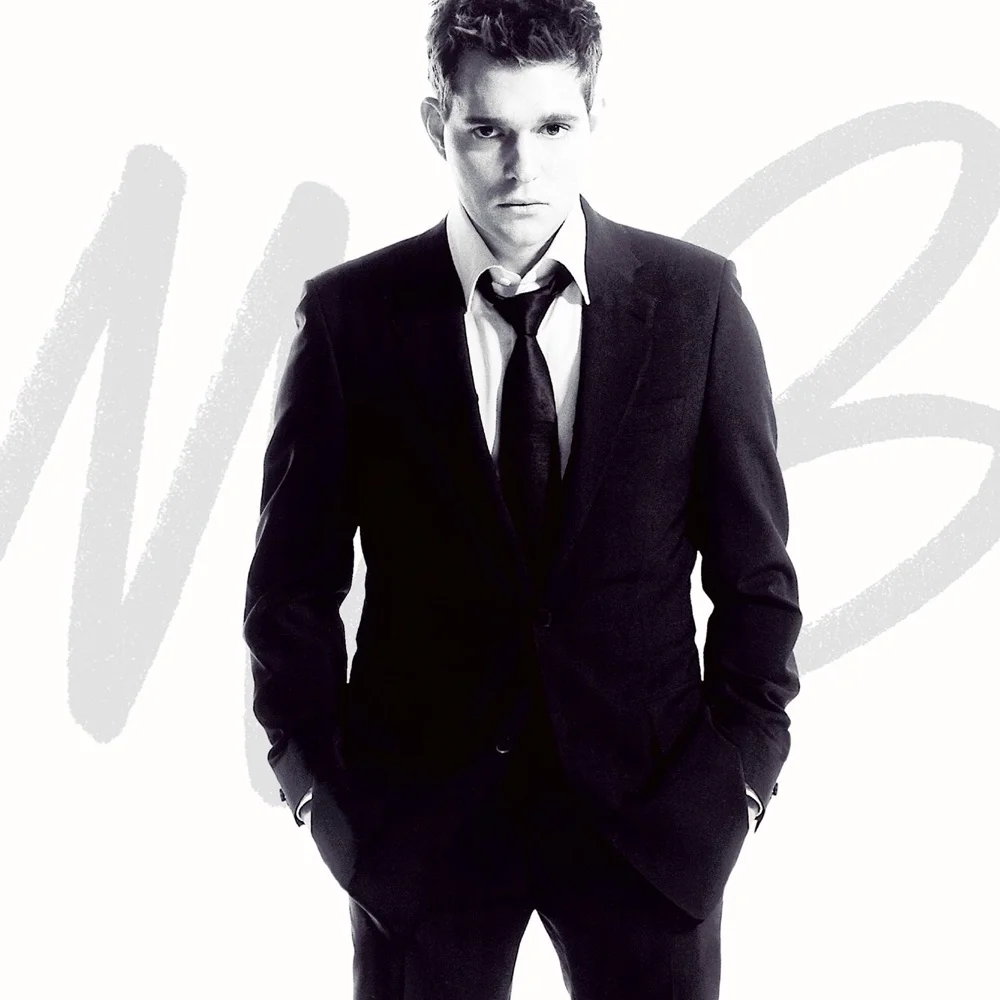
The Modern Crooner Classic
Michael Bublé's version of "Save the Last Dance for Me" revitalizes the Drifters' classic with a Latin-infused pop feel. Released on his 2005 album It's Time, this track is a perfect study for singers looking to master the "crooner" style—warm, resonant, and effortlessly smooth.
To sing this well, you need to balance a relaxed, open chest voice with precise rhythmic articulation. The challenge lies in maintaining the rich tone of the low notes while navigating the key modulation at the end without pushing too hard.
Phase 1: The Verses (Low & Intimate)
The song begins in Eb Major. The opening lines ("You can dance, every dance with the guy") sit low in the baritone range, touching down to a G2. This requires a relaxed larynx.
The Trap: Many singers "swallow" the sound when going this low, making it muddy. Keep the sound forward in the mask (buzzing around the lips) to ensure the lyrics are clear and the tone is bright, even at the bottom of your range.
Phase 2: The Chorus (Rhythmic Drive)
The chorus ("But don't forget who's taking you home") lifts the energy. Here, your phrasing must lock in with the percussion. Bublé uses a technique called "back-phrasing" occasionally, sitting just slightly behind the beat, but for beginners, we recommend staying right in the pocket.
- Consonants: Crisp 'T's and 'D's are essential here to cut through the band.
- Breath Control: The phrases are long. Ensure you take a deep, low breath before "And in whose arms you're gonna be."
Phase 3: The Key Change & Climax
Towards the end, the song modulates (usually up a half step or whole step depending on the live version). This pushes the melody up to an F4.
To hit this "money note" with that signature Bublé power, do not yell. Use a "mix" voice—keep the chest resonance but allow the sound to travel up into the head. Engage your core (epigastrium) to support the sudden jump in energy.