 Singing Coach AI
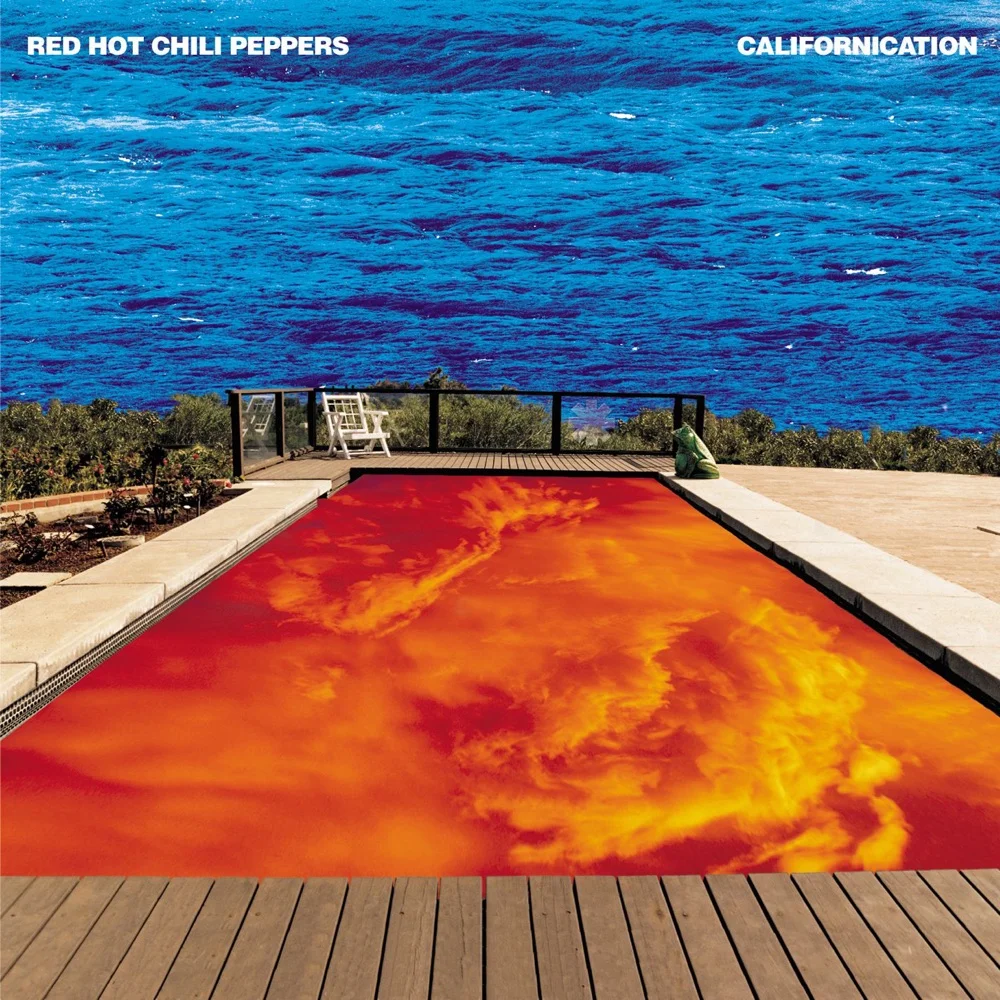
Mastering the "Californication" Sound
"Scar Tissue" is a masterclass in relaxed, melodic rock vocals. Released in 1999 as the lead single from Californication, this song marked a shift for Anthony Kiedis towards more melodic singing rather than his earlier rhythmic rapping style. The challenge here isn't range—it's tone and vibe.
To sing this authentic to the record, you need to strip away the vibrato and operatic technique. The goal is a conversational, almost dry chest voice that sits right in the pocket of the groove.
Phase 1: The Verse (0:00 - 0:53)
The verses are sung in a lower register (F3 - A3). The delivery should be spoken-word style but with pitch. The key to the "Kiedis sound" is a slightly forward, nasal placement.
The Trap: Because the notes are low and simple, it's easy to go flat. Keep your breath support active even though you are singing quietly. Think of the lyrics "Scar tissue that I wish you saw" as a secret you are telling someone close to you.
Phase 2: The Chorus (0:53 - 1:15)
Here the melody lifts to the C5 peak on "birds I'll share." This transition needs to be smooth. You aren't belting this out like a stadium anthem; you are lifting the melody gently.
- "With the birds I'll share": This line sits high for a baritone. Ensure your throat is open and you aren't squeezing the vowels.
- "This lonely view": Drop back down into that comfortable chest resonance immediately.
Phase 3: The Slide Technique
One of the defining characteristics of this song is the vocal slide (portamento). Kiedis often slides up to a note rather than hitting it dead-on immediately. Practice sliding from the verse note up to the chorus note slowly to get the feel, then speed it up to match the track.