 Singing Coach AI
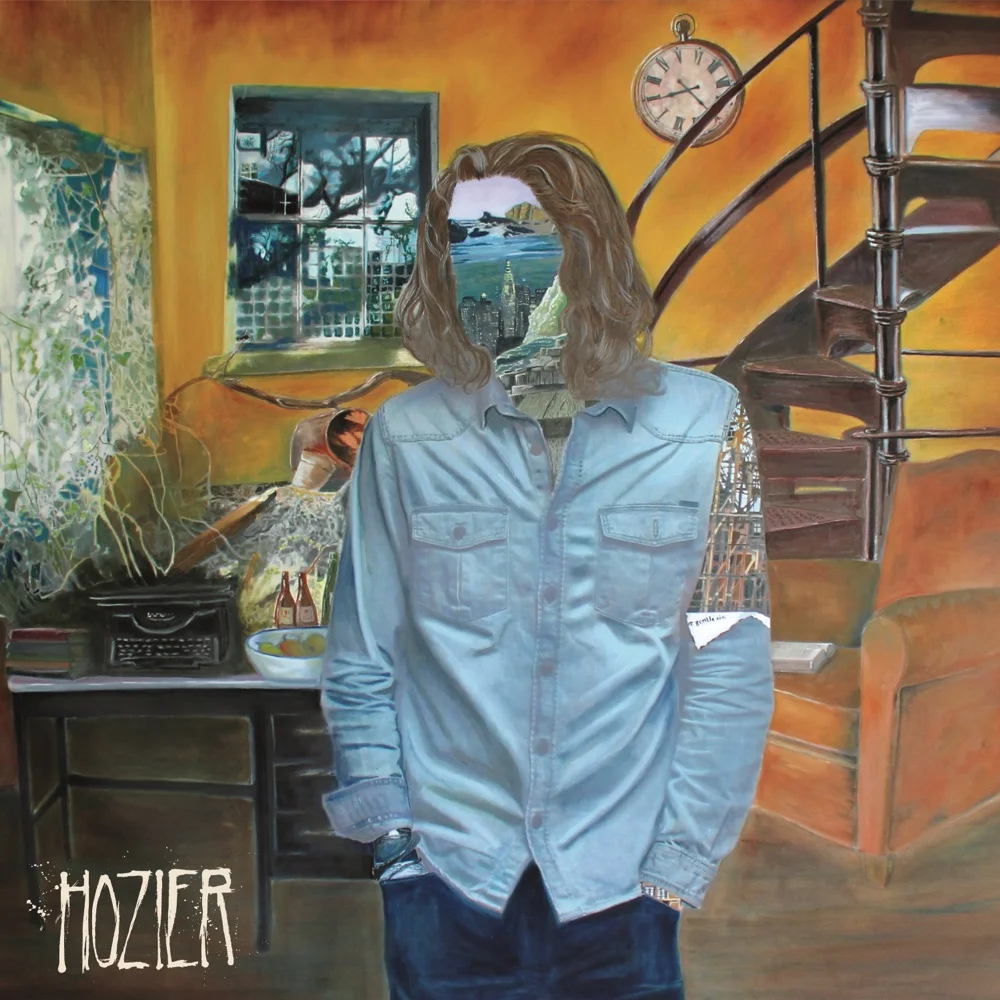
An Anthem of Dark Escapism
"Sedated" showcases Hozier's ability to blend philosophical lyrics with a catchy, driving indie-rock beat. From his self-titled debut album, this track sits squarely in the Baritone sweet spot but demands agility and breath control that can trip up even experienced singers.
The song is driven by a piano and bass riff in C# Minor. Unlike some of his slower ballads, "Sedated" moves quickly. You cannot afford to drag behind the beat. Let's look at how to navigate the vocal structure.
Phase 1: The Verses (Low & Conversational)
The verses sit quite low (touching down to E2). The danger here is "frying" your voice or losing volume. You need to keep the sound forward in your mask, even when singing quietly.
The Trap: On lines like "Young hun, escaping from the old," singers often let the pitch sag flat because they relax their breath support too much. Keep your core engaged even for the low notes.
Phase 2: The Chorus (Rhythm & Drive)
The energy lifts significantly here. The line "Any way to distract and sedate" is a tongue-twister if you don't articulate. The melody jumps up to the middle of the chest voice.
- Breath Control: The phrases are long and rapid. Plan your breaths at the punctuation points in the lyrics so you don't gasp in the middle of a word.
- The Belt: The chorus sits in a range that tempts you to shout. Resist the urge to push too hard. Let the microphone do the work and focus on tone quality.
Phase 3: The Bridge & Outro
The bridge introduces a more stripped-back feel before building into the final chorus. Hozier adds vocal runs and ad-libs here. This is your chance to show emotion.
The ending of the song requires stamina. You will be repeating the high-energy chorus hook. Ensure you don't tense your neck muscles, or you will sound strained by the final "Sedated."