 Singing Coach AI
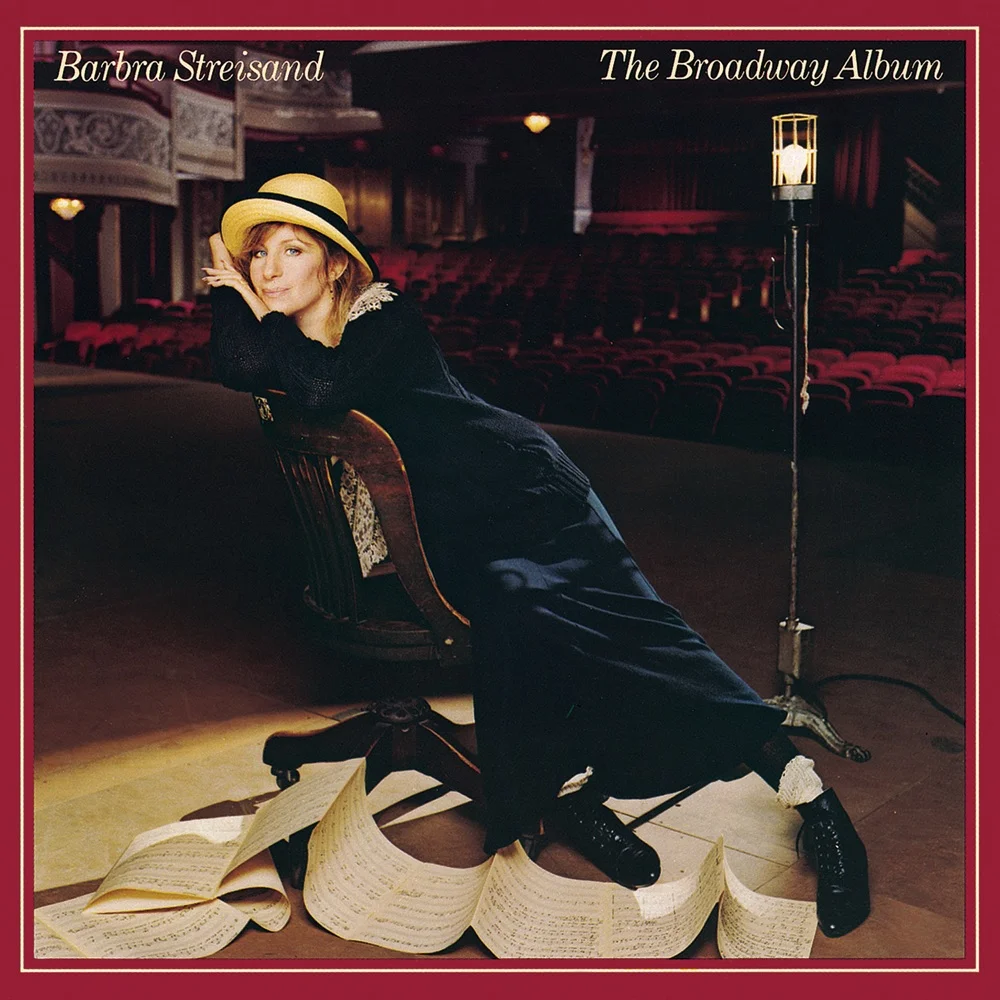
A Masterclass in Vocal Phrasing
Stephen Sondheim's "Send in the Clowns" from A Little Night Music is widely considered one of the most complex acting pieces in the musical theatre canon. Barbra Streisand's version on The Broadway Album takes this theatre standard and imbues it with a lush, pop sensibility while retaining the heartbreaking narrative.
Unlike power ballads that rely on high belts, this song relies on vulnerability. The challenge is keeping your breath supported while singing at a conversational volume. You cannot hide behind a loud backing track here; your tone must be pristine.
Phase 1: The Conversational Entry (0:00 - 1:20)
The song begins in the lower register (around G3). The line "Isn't it rich? Are we a pair?" should feel almost spoken (Sprechstimme).
The Trap: Many singers try to add too much vibrato too early. Keep the tone straight and pure. Use a "chest voice" resonance but keep the volume low (piano). Think of it as a private confession, not a performance.
Phase 2: The Emotional Bridge (2:30 - 3:15)
The emotional peak arrives with the lyrics "Just when I'd stopped opening doors." Here, Streisand allows her voice to bloom into a fuller mix.
- Breath Support: The phrases become longer here. You need deep intercostal expansion to sustain the legato lines without gasping for air.
- Dynamics: Crescendo on "Finally knowing the one that I wanted was yours," then immediately pull back on "Making my entrance again with my usual flair." This dynamic contrast creates the emotional journey.
Phase 3: The Breathless Resolve (Ending)
The final section returns to the quiet resignation of the beginning. The last line "Well, maybe next year" requires immense control. You must decrescendo on a sustained note without going flat.
To achieve the "Streisand sound," focus on vowel placement. Keep your vowels tall and round (e.g., "Clowns" should sound more like "Cl-ah-wns" than a flat "Cl-ow-ns") to maintain a warm resonance even at whisper volumes.