 Singing Coach AI
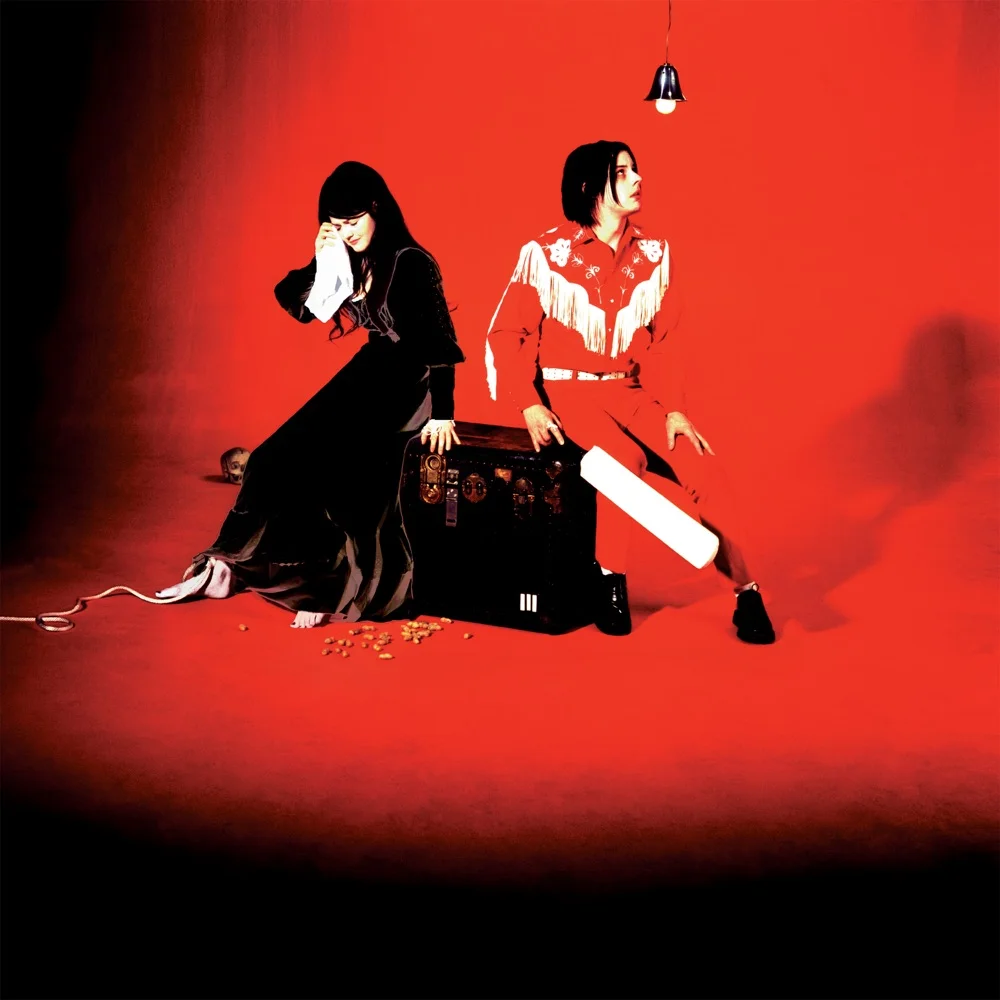
The Ultimate Stadium Anthem
Seven Nation Army is powered by arguably the most famous guitar riff of the 21st century. Written by Jack White for The White Stripes' 2003 album Elephant, the song relies on tension and release. It lacks a traditional chorus with lyrics, substituting the vocal hook with the instrumental riff.
To sing this well, you don't need a massive octave range. You need control, attitude, and the ability to project "garage rock" grit without ruining your vocal cords. Let's break down the technique.
Phase 1: The Verse (0:00 - 0:50)
The song begins in E Minor. The vocal line "I'm gonna fight 'em off" sits squarely in the chest voice. It is brooding and suppressed. The challenge here is not range, but *tone*.
The Trap: Because the notes are low, singers often let their voice become too breathy or "fry" out. Keep a solid cord closure. Think of speaking firmly rather than singing softly.
Phase 2: The Pre-Chorus (0:50 - 1:05)
As you hit the line "And the message coming from my eyes," the melody ascends. This is your setup for the explosion. You need to increase volume, but more importantly, increase the "twang" or brightness in your voice.
- Don't want to hear about it: Keep the vowels narrow. Don't open your mouth too wide, or you lose the aggressive, contained sound.
- Breathing: Take deep, diaphragmatic breaths between phrases. The lines are short, so use the gaps effectively.
Phase 3: The Chorus/Instrumental (1:05 - 1:20)
While there are no words here, the energy of the track peaks. When the verse returns, you often have to hit a higher variation of the melody. The G4 on "I'm going to Wichita" requires a belt.
To hit this safely, anchor your body. Don't lift your chin. Project forward using the mask of your face (the area around your nose and eyes) to get that piercing Jack White tone without straining your throat.