 Singing Coach AI
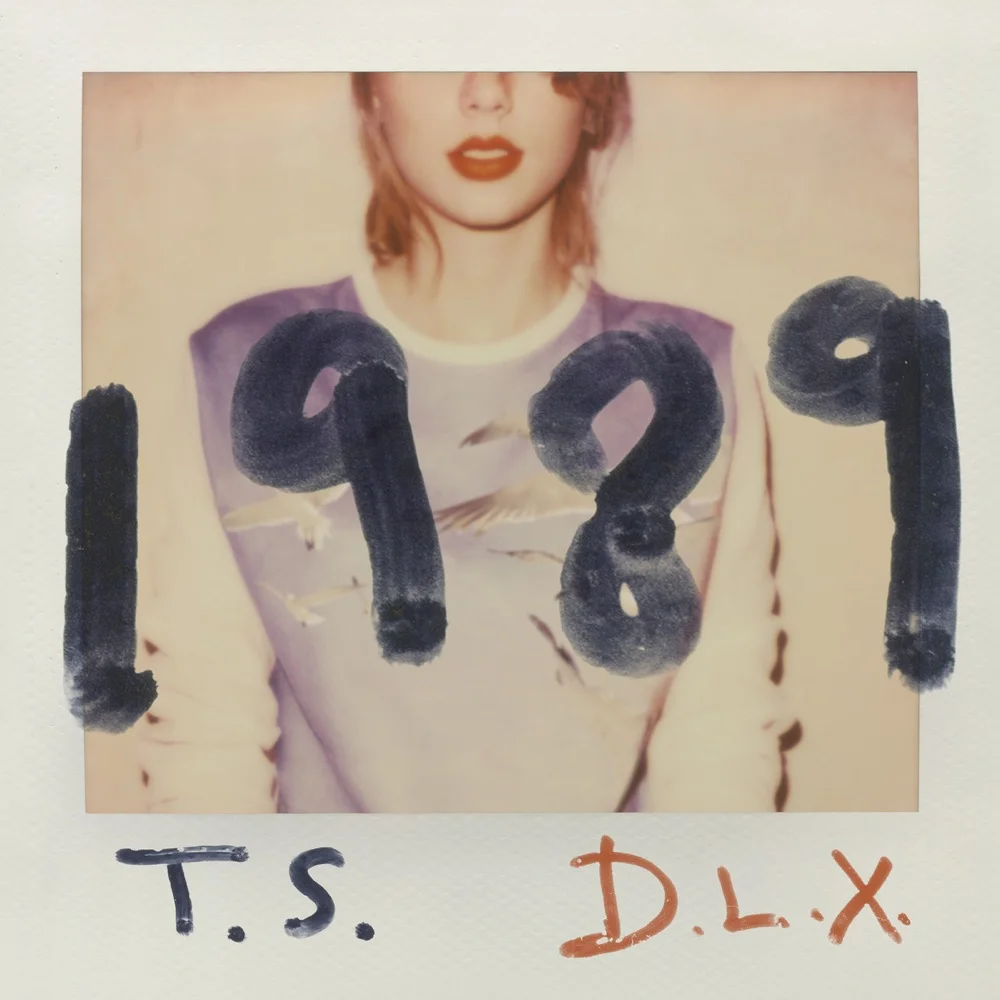
The Ultimate Pop Anthem
Released as the lead single from her 1989 album, "Shake It Off" marked Taylor Swift's complete departure from country into pure pop. It is an uptempo, energetic track driven by a looping saxophone line and heavy percussion. For vocalists, it is a masterclass in rhythm, attitude, and stamina.
Unlike ballads that require long, legato lines, this song demands crisp diction and a percussive vocal attack. You are acting as much as you are singing. Here is how to break it down without running out of breath.
Phase 1: The Rhythmic Verses (0:00 - 0:42)
The verses ("I stay out too late...") sit comfortably in the lower range (G3-D4). The challenge here isn't pitch—it's timing. The delivery is almost spoken, like a cheerleader chant.
The Trap: Many singers get lazy with the rhythm. The AI Coach looks for precise 16th-note delivery. Keep your consonants sharp, especially on words like "late," "brain," and "say."
Phase 2: The Pre-Chorus Climb (0:42 - 0:56)
As you move into "But I keep cruising," the melody lifts. You need to transition from your chest voice into a lighter mix. Don't push too hard here; save your energy for the chorus.
- Cruising / Music: Lift your soft palate to keep these notes ringing without strain.
- Alright: This note needs to be punchy but brief.
Phase 3: The Chorus Belt (0:56 - 1:24)
This is high energy. The repetition of "Shake, shake, shake" sits in a range that can fatigue your voice quickly if you are yelling. Use breath support from your diaphragm, not tension in your throat.
Think of the high notes as "tossing" the sound forward rather than "pushing" it out. The goal is a piercing, bright sound that cuts through the heavy drum beat.
Phase 4: The Spoken Bridge (2:18 - 2:47)
The "Hey, hey, hey" section is pure performance art. Pitch accuracy matters less here than character. You need to sound confident and cheeky. The "sick beat" line should be delivered with a distinct, dry tone.